
A Comprehensive Guide to HVAC Systems in Commercial Buildings


Understanding HVAC Systems
Heating, Ventilation, and Air Conditioning (HVAC) systems are crucial for maintaining a comfortable and healthy environment in commercial buildings. These systems regulate indoor temperature, humidity, and air quality, ensuring that occupants remain comfortable year-round.

The Components of HVAC Systems
An HVAC system is composed of several key components, each serving a specific function. These include:
- Heating Unit: This component generates warmth, usually via a furnace or boiler.
- Ventilation: Ensures the exchange of indoor and outdoor air to maintain air quality.
- Air Conditioning: Cools the building and dehumidifies the air.
Types of HVAC Systems
There are various types of HVAC systems used in commercial buildings, and selecting the right one depends on factors such as building size, design, and specific needs. Common types include:
- Single Split Systems: Ideal for smaller buildings, these systems are cost-effective and easy to install.
- Multi-Split Systems: Suitable for larger spaces, allowing multiple indoor units to connect to a single outdoor unit.
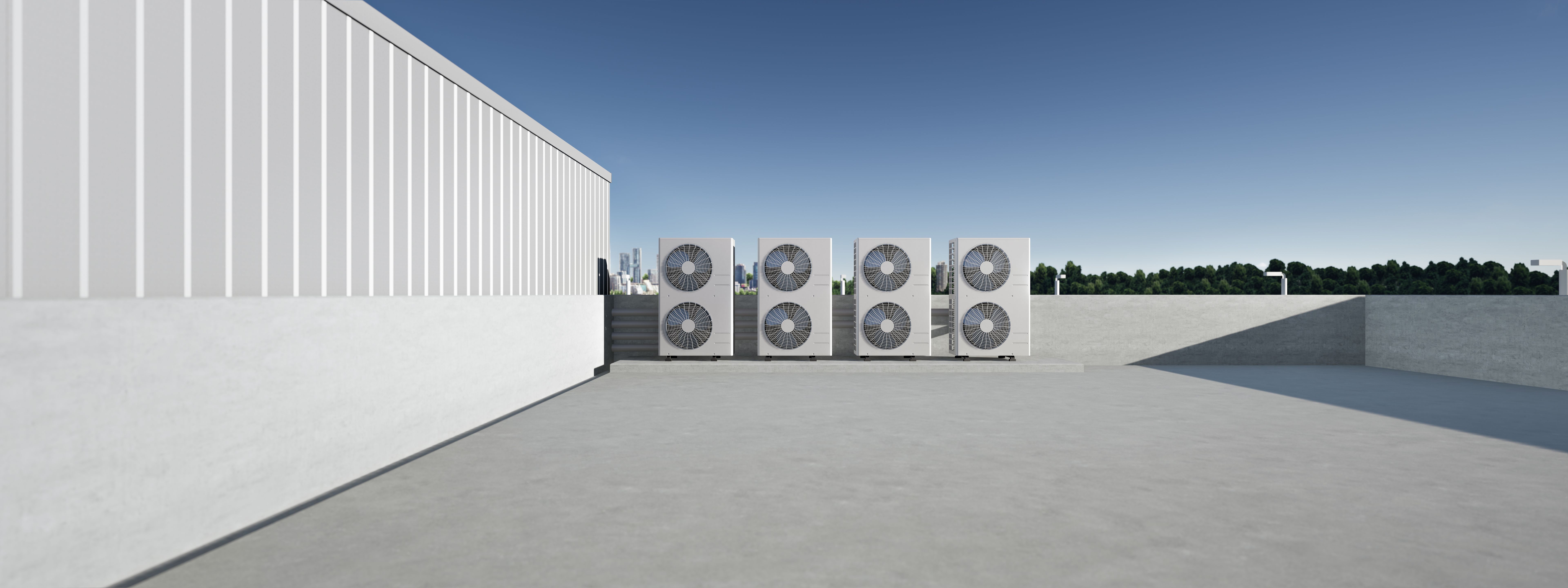
- VRF Systems: Variable Refrigerant Flow systems are energy-efficient and adaptable, making them perfect for medium to large buildings.
Benefits of Efficient HVAC Systems
Investing in an efficient HVAC system can significantly benefit commercial buildings. Not only does it enhance comfort, but it also reduces energy consumption, leading to lower utility bills. Moreover, it contributes to a healthier indoor environment by improving air quality.
Maintenance and Upkeep
Regular maintenance is vital for the optimal performance of HVAC systems. Routine checks and servicing can prevent unexpected breakdowns and extend the system's lifespan. Key maintenance practices include:
- Regular filter replacement.
- Inspection of ducts and vents.
- Checking refrigerant levels and electrical connections.
Choosing the Right HVAC System
When selecting an HVAC system for a commercial building, consider factors such as energy efficiency, installation cost, and long-term maintenance. Working with a professional HVAC consultant can ensure that the chosen system meets the building's specific needs.
Future Trends in HVAC Technology
The HVAC industry is continuously evolving, with advancements focusing on sustainability and smart technology. Innovations such as smart thermostats and energy-efficient systems are becoming increasingly popular, offering enhanced control and reduced environmental impact.
By understanding the intricacies of HVAC systems and prioritizing regular maintenance, building owners can ensure a comfortable, efficient, and healthy environment for all occupants.