
Case Study: How Thermal Droning Improved Efficiency for a Local Business


Introduction to Thermal Droning
In recent years, the integration of drone technology has revolutionized various industries, offering innovative solutions to traditional challenges. One such innovation is thermal droning, which has significantly improved operational efficiency for businesses. This case study explores how a local business leveraged thermal droning to enhance its processes and achieve remarkable results.
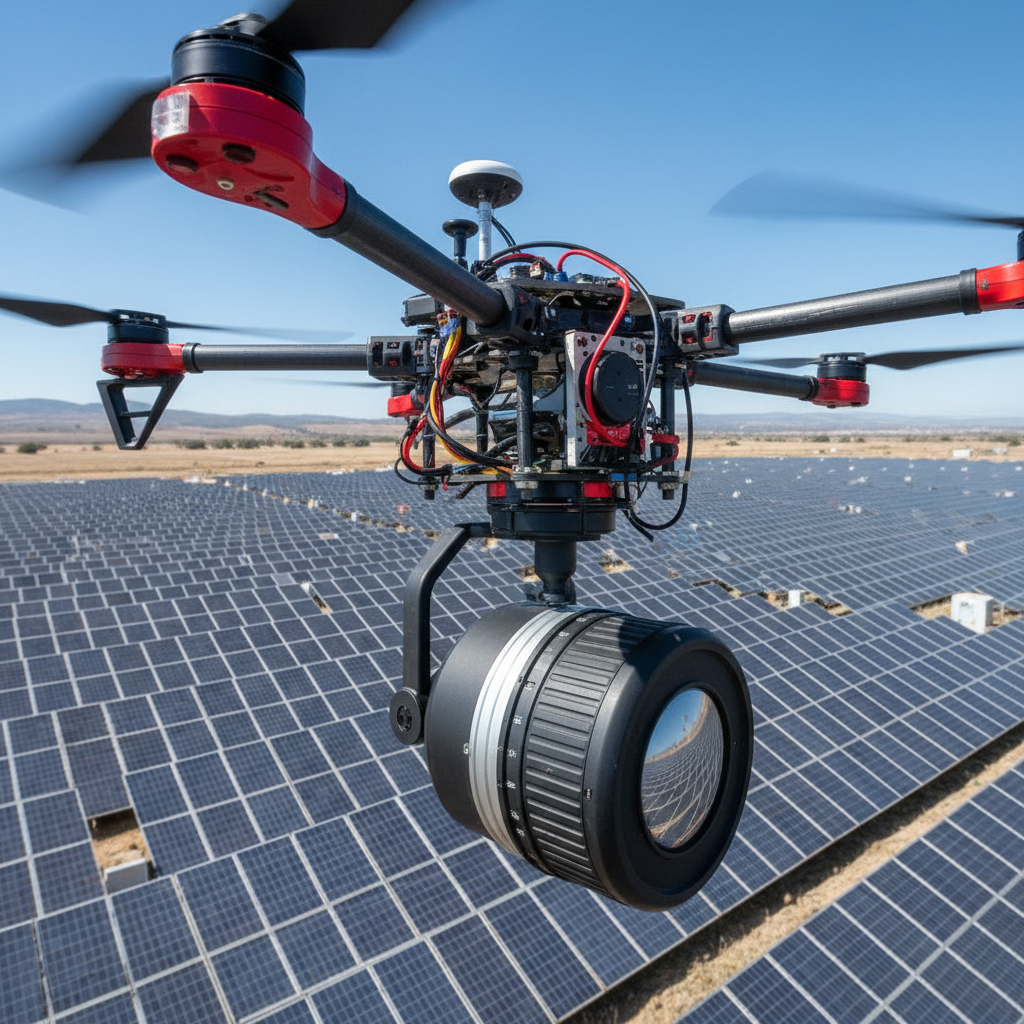
Thermal droning involves using drones equipped with thermal imaging cameras to capture heat signatures. This technology is particularly useful in identifying areas of energy loss, equipment malfunctions, and other issues that are not visible to the naked eye.

Challenges Faced by the Local Business
The local business, operating within the manufacturing sector, faced several challenges that impacted its efficiency. These included frequent equipment breakdowns, high energy costs, and the inability to quickly identify heat-related issues within its facilities.
Traditional methods of inspection were not only time-consuming but also costly. The business needed a more efficient approach to maintain its competitive edge and minimize downtime.
Implementation of Thermal Droning
To address these challenges, the business decided to implement thermal droning. The drones were programmed to conduct routine inspections across the facilities, capturing thermal images that provided valuable insights into the operational status of equipment and infrastructure.
By analyzing these thermal images, the business could quickly identify areas of energy loss, overheating equipment, and potential fire hazards. This proactive approach allowed for timely maintenance and repairs, reducing the risk of costly breakdowns.
Benefits Realized
The implementation of thermal droning brought several key benefits to the local business:
- Increased Efficiency: Regular inspections helped identify issues before they escalated, reducing downtime and improving overall efficiency.
- Cost Savings: By addressing energy losses and preventing equipment failures, the business significantly cut down on energy expenses and repair costs.
- Improved Safety: Early detection of potential hazards enhanced workplace safety, protecting employees and assets.
The business also noted a substantial improvement in its environmental footprint, as reduced energy consumption contributed to sustainability goals.
Conclusion
The case study of this local business exemplifies how thermal droning can transform operational processes. By adopting this technology, the business not only improved its efficiency but also achieved substantial cost savings and enhanced safety measures.

As industries continue to evolve, embracing innovative technologies like thermal droning can offer a competitive advantage, driving growth and sustainability. This success story serves as an inspiration for other businesses looking to enhance their operations through technological advancements.