
Case Study: Successful BAS Integration for a Local Denver Business


Introduction to BAS Integration
In today's rapidly evolving technological landscape, integrating a Building Automation System (BAS) can significantly enhance operational efficiency. This case study explores how a local Denver business successfully implemented BAS integration, resulting in improved energy management and cost savings.
Building Automation Systems are designed to control and monitor a building's mechanical and electrical equipment, such as ventilation, lighting, and security systems. The integration of a BAS can offer numerous benefits, including reduced energy consumption and enhanced comfort for occupants.
Identifying the Need for Integration
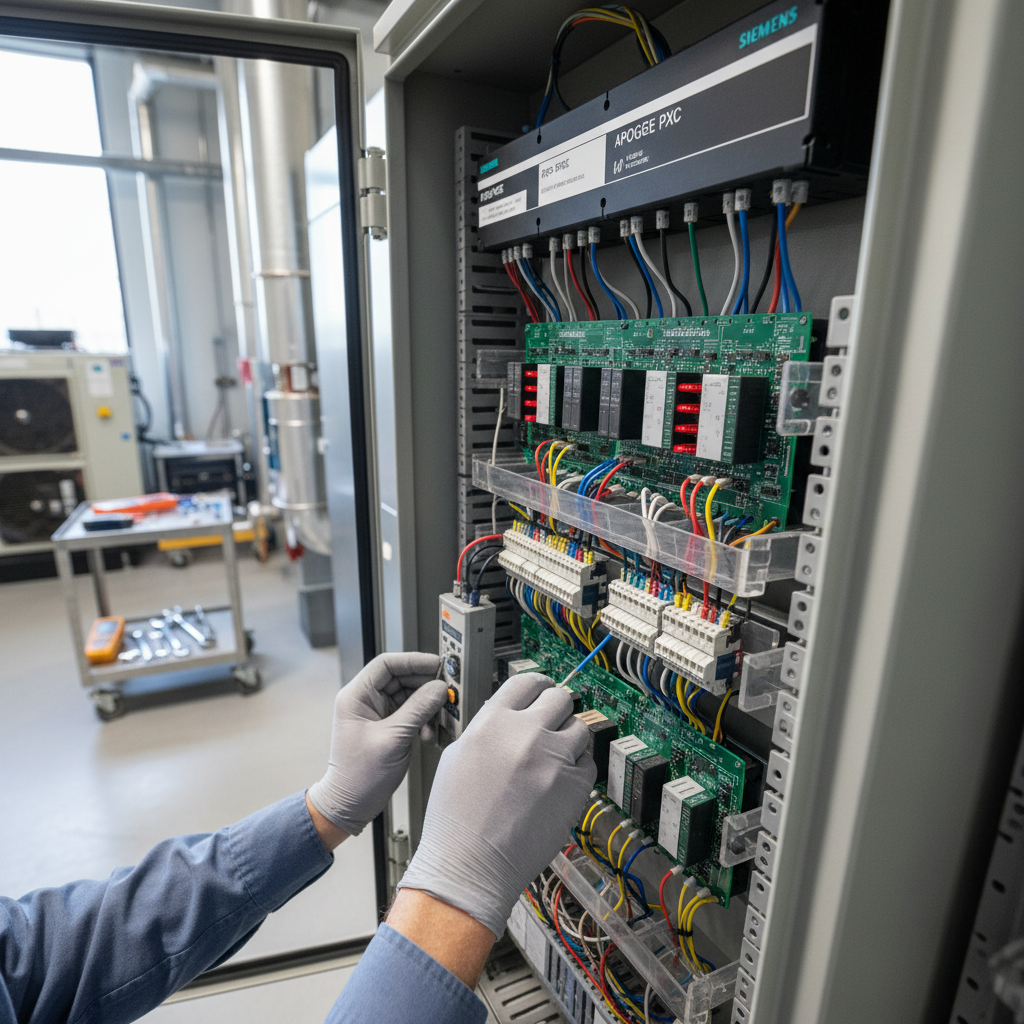
The Denver business in question, a mid-sized office complex, faced challenges with rising energy costs and inefficient building operations. The management team recognized the potential of BAS to streamline operations and reduce expenses. They decided to partner with a local BAS provider known for their expertise and reliable solutions.
The primary goals were to optimize energy usage, improve indoor air quality, and enhance overall operational efficiency. The collaboration aimed to create a seamless transition to a more automated and efficient system.
Steps Taken for Successful Implementation
The integration process was carefully planned and executed in several stages:
- Assessment: A comprehensive evaluation of the existing systems was conducted to identify integration points and potential improvements.
- Customization: The BAS was tailored to meet the specific needs of the business, ensuring alignment with their operational goals.
- Implementation: The installation of hardware and software was carried out with minimal disruption to daily operations.
- Training: Staff were trained to effectively use and manage the new system, ensuring a smooth transition.

Outcomes and Benefits
The implementation of the BAS resulted in several key benefits for the Denver business. One of the most notable outcomes was a significant reduction in energy consumption, leading to a decrease in monthly utility bills.
Additionally, the automated system improved indoor air quality by precisely controlling ventilation and temperature. This enhancement contributed to a more comfortable environment for employees, boosting productivity and satisfaction.
Lessons Learned and Future Plans
The success of this integration highlights the importance of thorough planning and collaboration. A few lessons were learned along the way:
- Engage stakeholders early in the process to ensure alignment with business goals.
- Invest in training to maximize the benefits of the system.
- Regularly review and update the system to adapt to changing needs.

Looking ahead, the business plans to expand their BAS capabilities by incorporating more advanced analytics and reporting tools. This will further enhance their ability to monitor performance and identify areas for improvement.
Conclusion
The successful integration of a BAS for this Denver business demonstrates the transformative potential of automation in building management. By embracing technology, businesses can achieve greater efficiency, cost savings, and a better environment for their occupants.
For other businesses considering BAS integration, this case study serves as a powerful example of how strategic planning and execution can lead to substantial benefits in both the short and long term.