Case Study: Successful HVAC Replacement in a Historic Denver Building


Introduction
Replacing an HVAC system in a historic building presents unique challenges and opportunities. Preserving the architectural integrity while ensuring modern efficiency requires careful planning and execution. This case study explores a successful HVAC replacement in a historic building in Denver, highlighting the steps taken to achieve a seamless integration of modern technology.

Understanding the Challenges
Historic buildings often come with a host of challenges when it comes to HVAC replacements. These challenges can include structural limitations, preservation guidelines, and the need for customized solutions that respect the building's original design.
In the Denver project, the building's age and architectural significance required a sensitive approach. The team had to work with preservation experts to ensure that any modifications were in line with historical standards.
Assessment and Planning
The first step in the process was a thorough assessment of the building's existing HVAC system and structural layout. This involved collaboration with engineers, architects, and preservationists to develop a plan that would meet both modern efficiency standards and historic preservation requirements.
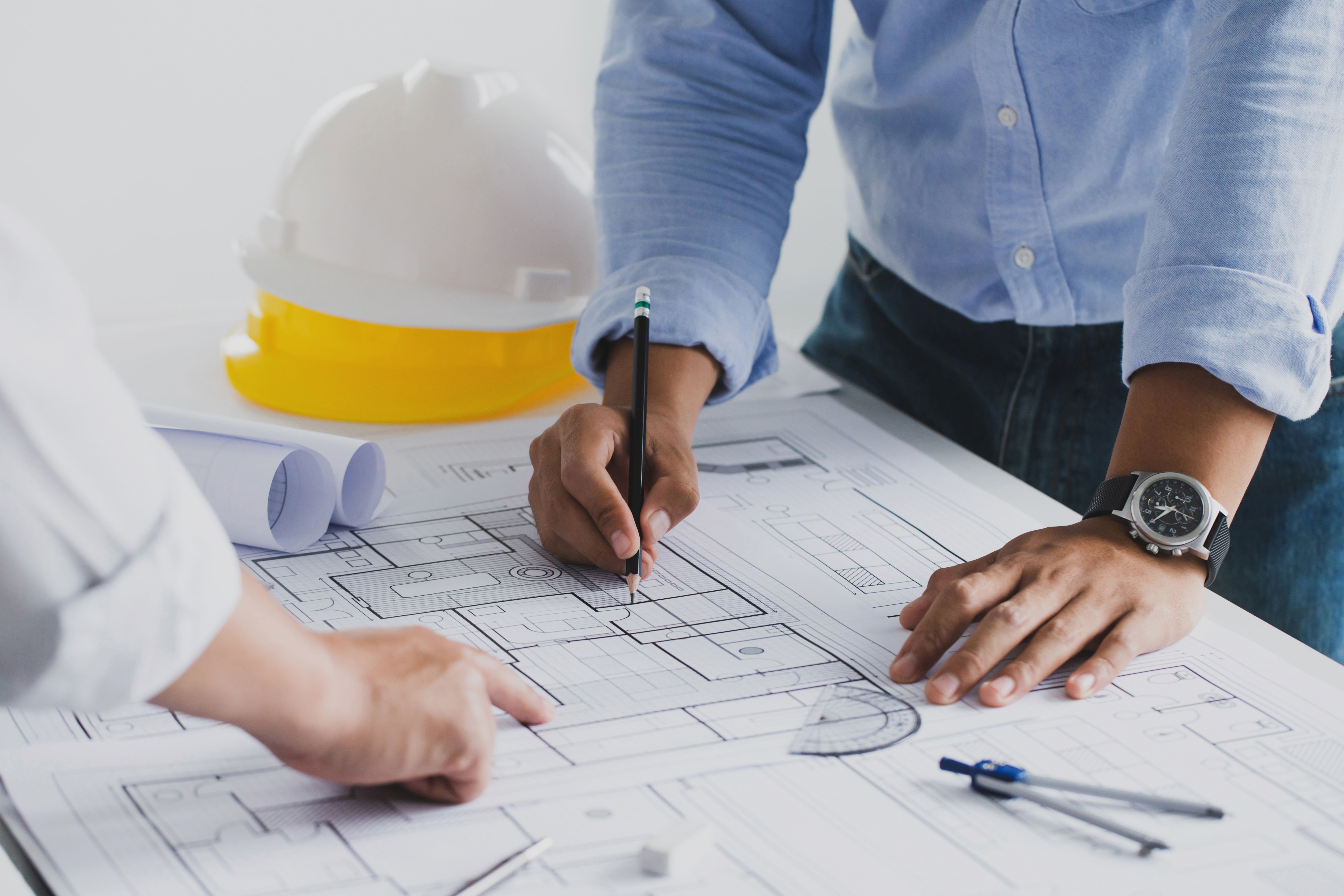
During the planning phase, it was crucial to identify areas where new technology could be integrated without disrupting the building's aesthetic. This involved innovative solutions such as using existing ductwork where possible and selecting equipment that could be concealed within the building's original structure.
Implementation
The implementation phase was carried out with meticulous attention to detail. The team used state-of-the-art technology to minimize disruption, employing techniques like non-invasive installation methods to preserve the building's integrity.
Special care was taken to ensure that all new components were compatible with the building's existing infrastructure. This required custom fabrication and careful coordination among all parties involved.

Results and Benefits
The successful replacement of the HVAC system resulted in a variety of benefits for the historic Denver building. Improved energy efficiency not only reduced operating costs but also contributed to a more sustainable environment.
Occupants of the building now enjoy enhanced comfort with modern climate control, all while preserving the character and charm of the historic architecture. This project serves as an example of how modern technology can coexist with historical preservation.
Conclusion
This case study demonstrates the potential for successful HVAC replacements in historic buildings through careful planning, collaboration, and innovative solutions. By respecting the past while embracing the future, the Denver project has set a standard for how historic and modern can work harmoniously together.