
Case Study: Successful HVAC Solutions for Denver Businesses


Introduction
In the bustling city of Denver, businesses face unique challenges when it comes to heating, ventilation, and air conditioning (HVAC) solutions. With fluctuating temperatures and a diverse range of industries, finding the right HVAC system is crucial for maintaining comfort and efficiency. This case study explores how various Denver businesses have successfully implemented HVAC solutions to meet their specific needs.

Understanding the Challenges
Denver's climate presents a mix of warm summers and cold winters, requiring HVAC systems that can adapt to seasonal changes. Businesses in this region often struggle with energy efficiency, cost management, and maintaining optimal indoor air quality. Addressing these issues is essential for reducing overhead costs and enhancing employee productivity.
Energy Efficiency
Energy consumption is a significant concern for Denver businesses. Traditional HVAC systems can lead to high utility bills, especially during peak seasons. Companies are increasingly seeking energy-efficient solutions that reduce costs while minimizing environmental impact. This shift towards sustainability is reshaping how HVAC systems are designed and implemented.
Innovative Solutions
Several Denver-based businesses have turned to innovative HVAC technologies to overcome these challenges. By adopting smart thermostats, variable refrigerant flow systems, and advanced air filtration, they have significantly improved energy efficiency and indoor comfort.
Smart Thermostats
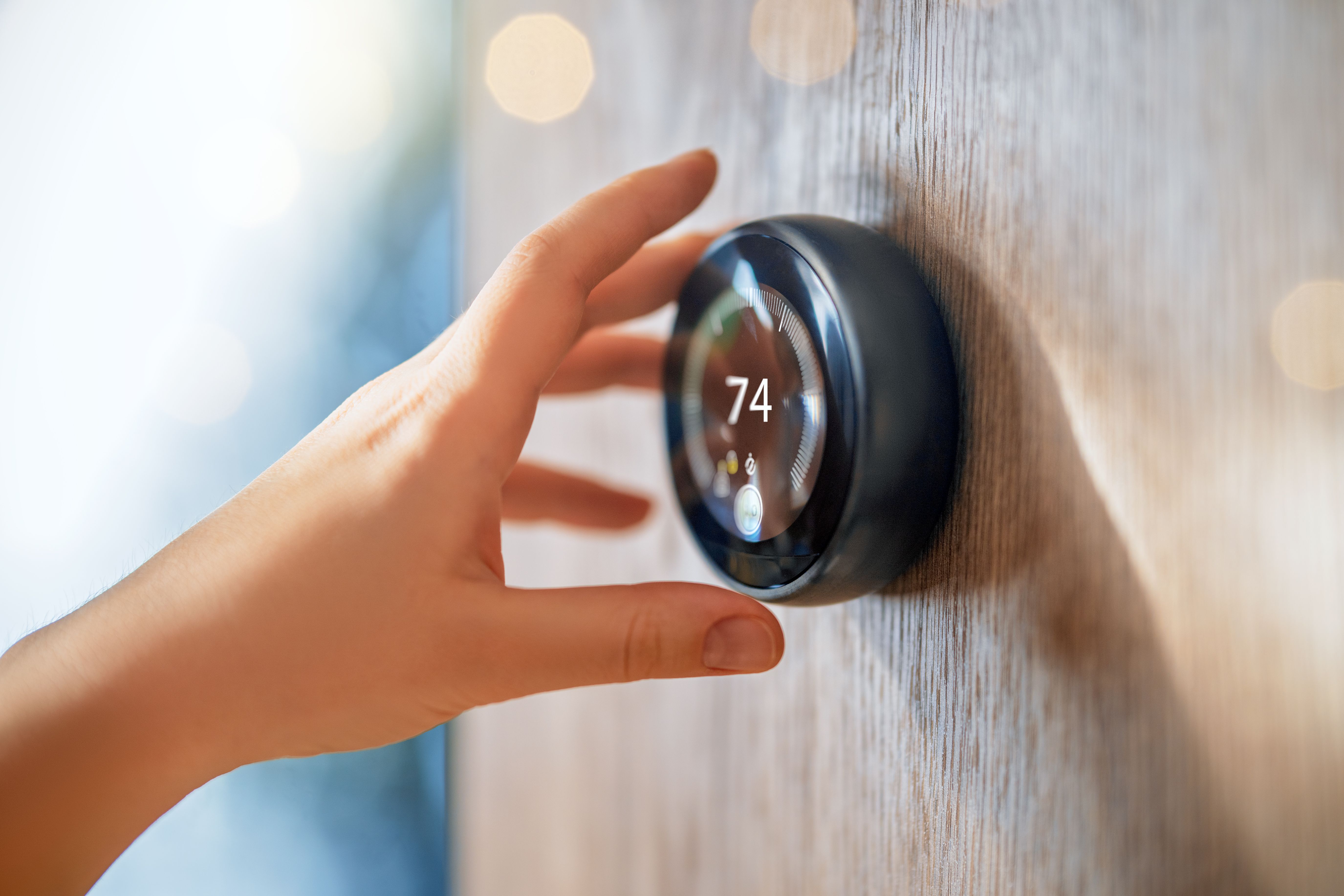
Smart thermostats have become a popular choice among Denver businesses. These devices allow for precise temperature control and scheduling, leading to substantial energy savings. By automatically adjusting settings based on occupancy and weather conditions, companies can optimize their HVAC operations effortlessly.
Variable Refrigerant Flow Systems
Variable Refrigerant Flow (VRF) systems offer flexibility and efficiency, making them ideal for businesses with diverse heating and cooling needs. These systems provide room-specific temperature control, allowing for personalized comfort in different areas of a building. Businesses have reported noticeable reductions in energy costs after switching to VRF systems.

Case Examples
Consider a local tech company in Denver that implemented a combination of smart thermostats and VRF systems. They reported a 30% reduction in energy costs within the first year. Another example is a downtown restaurant that installed advanced air filtration systems, improving air quality and enhancing customer satisfaction.
Tech Company Success
The tech company faced challenges with uneven heating and cooling across their office space. By utilizing VRF systems, they achieved consistent comfort levels, which boosted employee morale and productivity. The integration of smart thermostats further optimized their energy usage.
Restaurant Air Quality
The restaurant's investment in advanced air filtration not only improved indoor air quality but also enhanced the dining experience for patrons. This move not only supported employee health but also became a key factor in attracting more customers, ultimately increasing revenue.

Conclusion
Denver businesses are increasingly recognizing the value of tailored HVAC solutions to address their specific needs. By embracing energy-efficient technologies and innovative systems, they are not only reducing costs but also creating healthier and more comfortable environments for employees and customers. This case study highlights the transformative impact of strategic HVAC investments in the dynamic Denver market.