
Case Study: Successful HVAC System Overhaul in a Historic Denver Building


Introduction to the Project
Historic buildings present unique challenges when it comes to modern renovations. The recent HVAC system overhaul in a historic Denver building showcases how modern technology can be seamlessly integrated into a structure while preserving its historical integrity. This case study explores the project’s journey, challenges faced, and the remarkable results achieved.
Understanding the Building's History
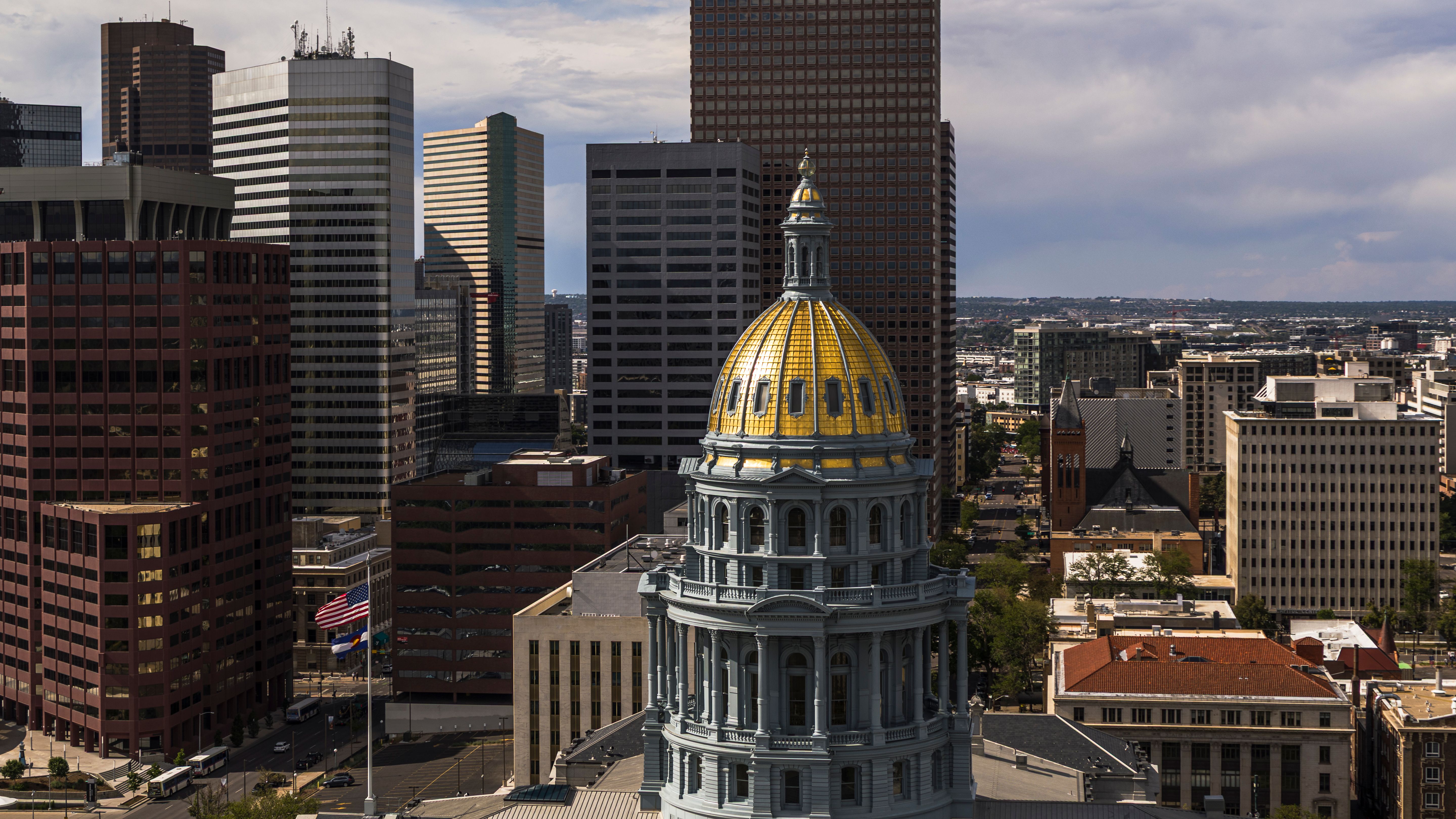
Built in the early 20th century, this Denver landmark has served various purposes over the decades. Its architectural style reflects the era's design principles, with intricate details and craftsmanship. However, the building's age meant that its existing HVAC system was outdated and inefficient, necessitating an upgrade to meet current standards.
Preservation vs. Modernization
The primary challenge was balancing the historical preservation with the need for modern amenities. Any upgrade had to adhere to strict guidelines that protect the building's architectural significance. The project team worked closely with preservation experts to ensure that the new system would not disrupt the building's aesthetic value.
Planning the HVAC Overhaul
The planning phase involved a detailed assessment of the building’s current condition and energy requirements. Engineers and architects collaborated to design a system that would provide optimal climate control without compromising the structure’s historical elements. This included choosing equipment that could be discreetly integrated into existing spaces.

Innovative Solutions Implemented
Several innovative solutions were employed to address the unique challenges of this project:
- Custom Ductwork: Designed to fit into the building's existing infrastructure without altering original features.
- Energy-Efficient Units: State-of-the-art units that provide superior climate control while reducing energy consumption.
- Smart Control Systems: Advanced technology allowing for precise temperature regulation tailored to each area of the building.
Execution and Challenges
The execution phase required meticulous attention to detail. Contractors specialized in working with historic structures were brought in to execute the task with precision. Unexpected challenges, such as hidden structural issues, demanded adaptive problem-solving and on-the-spot adjustments.
Overcoming Obstacles
Despite the challenges, the project stayed on schedule due to effective communication and a collaborative approach. Regular updates and a transparent process ensured that all stakeholders were aligned and informed throughout the transformation.
Results and Impact
The completed HVAC system overhaul brought immediate benefits. The building now enjoys improved air quality, consistent temperature control, and reduced energy costs. The successful integration of modern systems has ensured that the building remains functional and comfortable for its occupants.
Preservation of History
Perhaps most importantly, the project achieved its goal of preserving the building's historical essence. By utilizing innovative solutions that respect and enhance the original architecture, the project serves as a model for similar renovations in historic structures.

Conclusion
This case study exemplifies how thoughtful planning and innovative engineering can breathe new life into historic buildings. The successful HVAC overhaul in this Denver building demonstrates that modernization and preservation can coexist, offering valuable lessons for future projects in the industry.