
Common HVAC Misconceptions: What Every Denver Homeowner Should Know


As a Denver homeowner, you rely heavily on your HVAC system to maintain comfort throughout the year. However, there are numerous misconceptions that can lead to inefficient use and unexpected expenses. Understanding these myths is crucial to optimizing your system's performance and lifespan.
The Bigger, the Better
One common misconception is that a bigger HVAC system will always perform better. While it might seem logical to assume that a larger unit would provide better heating or cooling, this is not necessarily true. An oversized system can lead to frequent cycling on and off, which not only wastes energy but also causes unnecessary wear and tear.
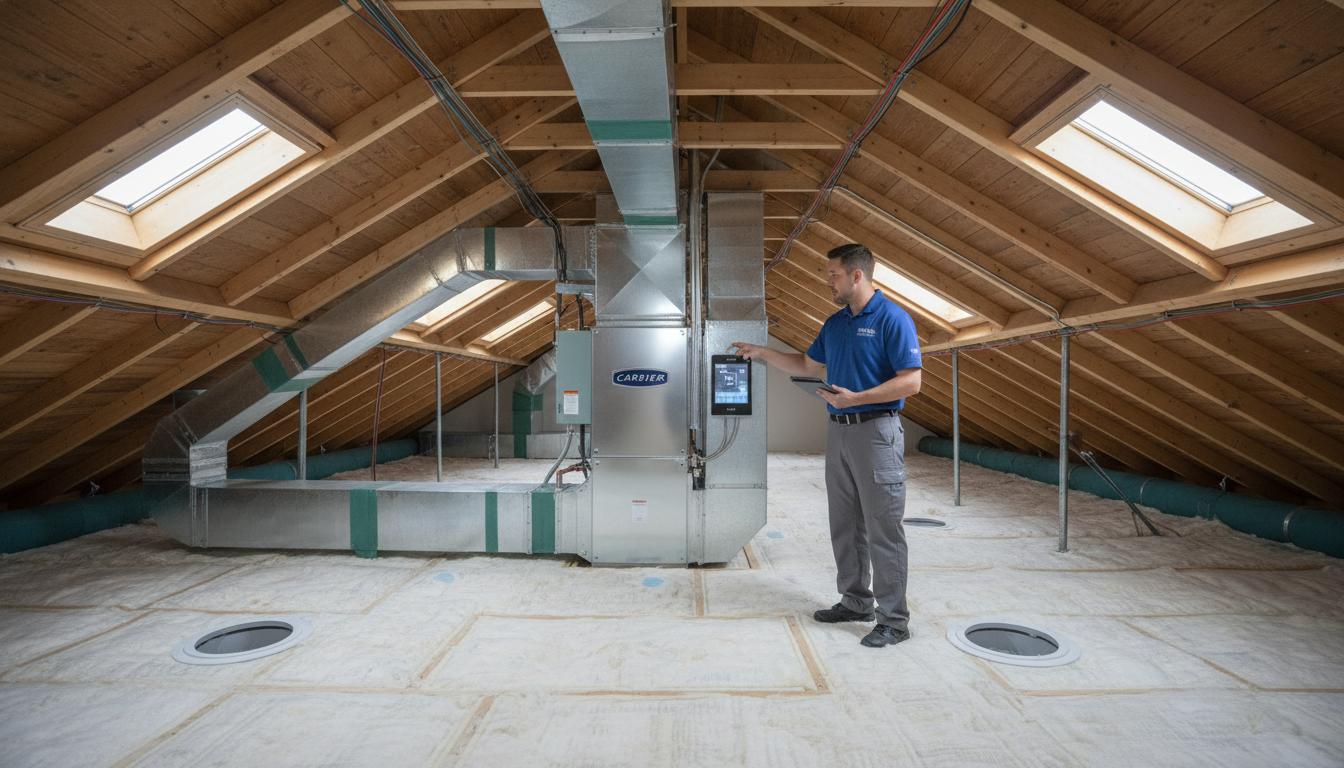
Instead, it's essential to choose a system that is properly sized for your home. A professional HVAC technician can help you determine the right size based on factors such as the square footage of your home, insulation quality, and local climate conditions.
Maintenance Is Not Necessary
Many homeowners believe that HVAC systems don't require regular maintenance. This could not be further from the truth. Regular maintenance is key to ensuring your system runs efficiently and to preventing costly breakdowns. Skipping maintenance can result in reduced efficiency, higher energy bills, and a shorter lifespan for your unit.
Benefits of Regular Maintenance
- Improved energy efficiency
- Extended equipment lifespan
- Reduced risk of unexpected breakdowns
- Enhanced indoor air quality
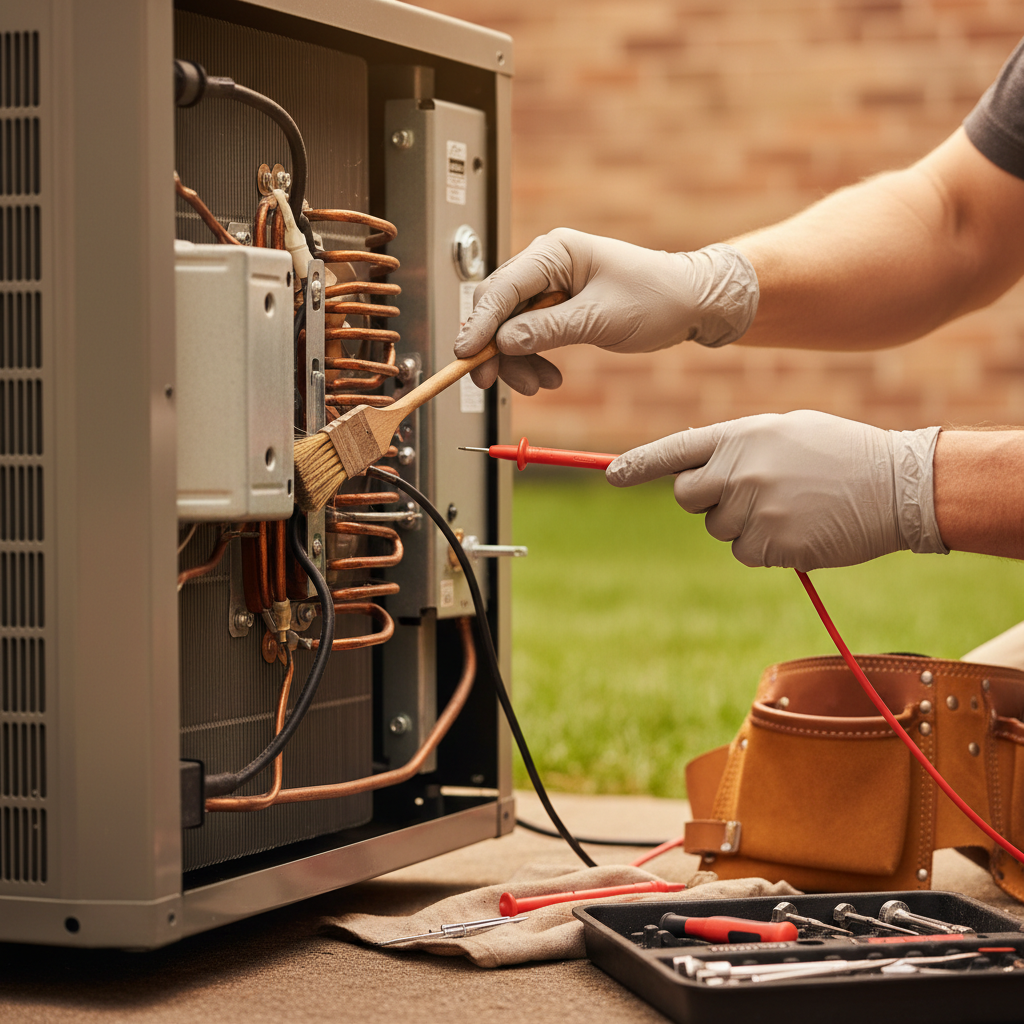
By scheduling routine check-ups with a qualified technician, you can catch potential issues early and keep your system in top shape.
Closing Vents Saves Energy
Another prevalent myth is that closing vents in unused rooms will save energy. In reality, this can actually cause your system to work harder. HVAC systems are designed to heat or cool a certain amount of space, and closing vents disrupts this balance, leading to increased pressure in the ductwork.
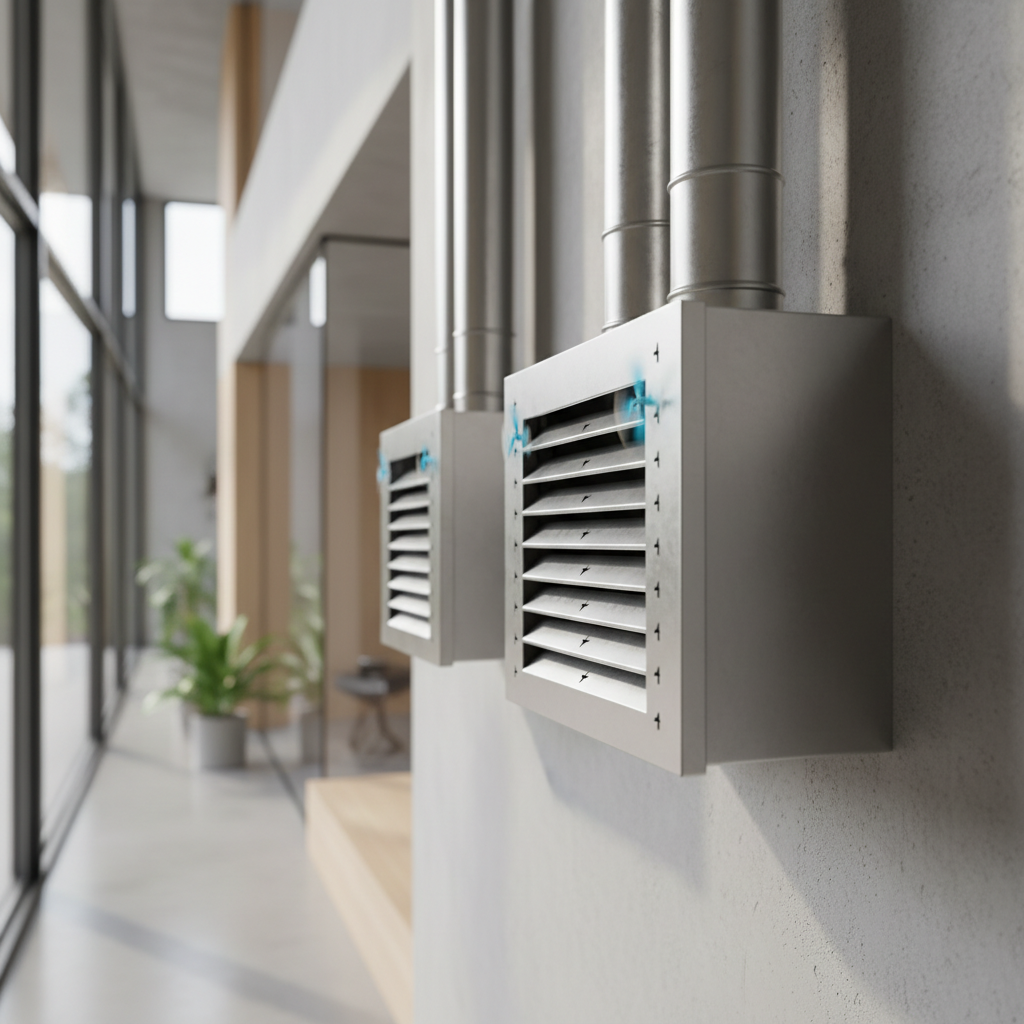
This increased pressure can lead to leaks and inefficiencies, ultimately driving up your energy bills. Instead of closing vents, consider installing a zoning system that allows you to control temperatures in different areas of your home more effectively.
Thermostat Settings
Many people believe that setting the thermostat to extreme temperatures will heat or cool their home faster. However, HVAC systems work at a consistent rate, and setting extreme temperatures only results in energy waste and discomfort.
Effective Thermostat Use
- Set the thermostat to a comfortable temperature and be patient.
- Use programmable thermostats to adjust settings based on your schedule.
- Consider smart thermostats for more precise control.
Understanding how to use your thermostat effectively can lead to significant energy savings and a more comfortable home environment.
By debunking these common HVAC misconceptions, Denver homeowners can ensure their systems operate efficiently and reliably. Educating yourself and working with qualified professionals can lead to better performance, lower energy bills, and a longer-lasting HVAC system.