
Debunking Common HVAC Myths: What Every Denver Homeowner Should Know


Understanding HVAC Myths
Homeowners in Denver often rely on HVAC systems to maintain comfort throughout the year. However, several myths surround these systems, leading to misconceptions and potentially costly decisions. In this blog post, we'll debunk some of the most common HVAC myths to help you make informed choices.
Myth 1: Closing Vents Saves Energy
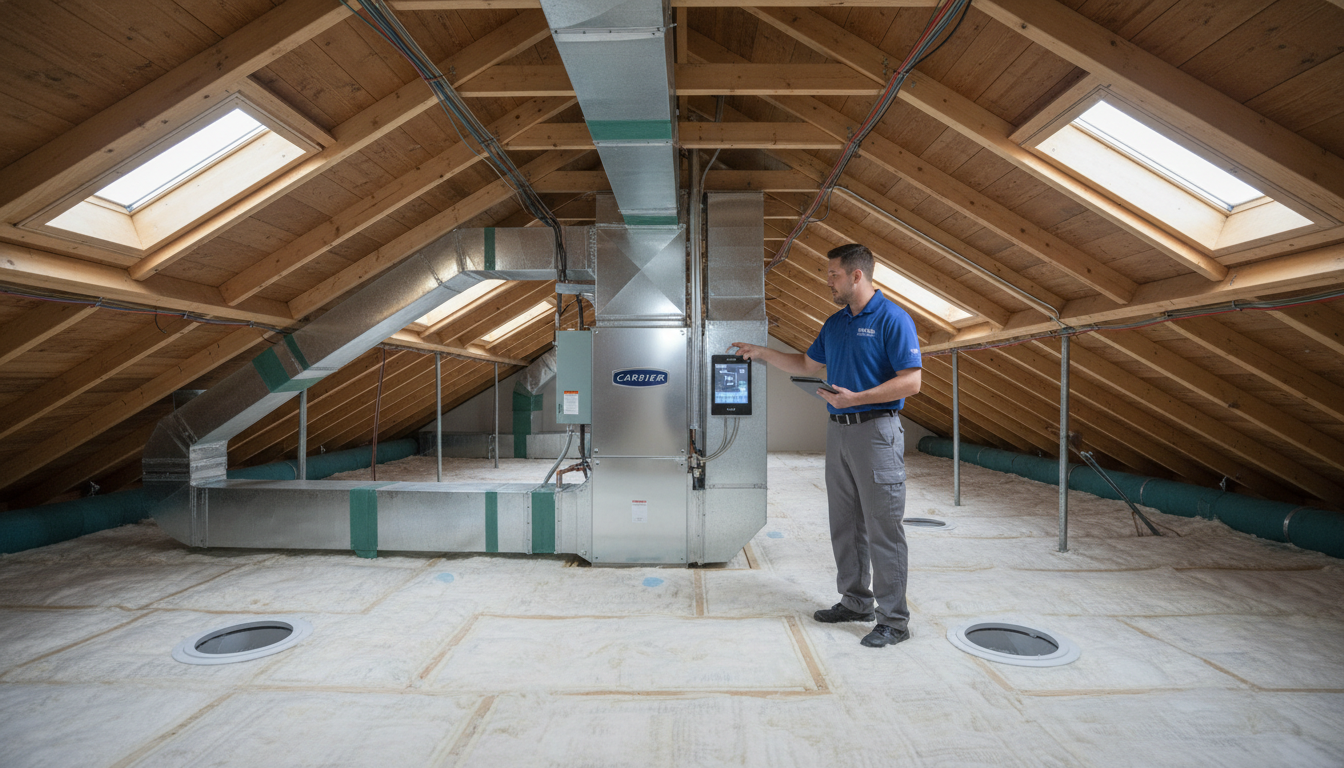
A prevalent myth is that closing vents in unused rooms will save energy. In reality, this can lead to increased pressure in your ductwork, causing leaks and inefficiencies. Your HVAC system is designed to balance airflow; blocking vents disrupts this balance, potentially leading to higher energy consumption.
Instead of closing vents, consider using a programmable thermostat to manage your home's temperature efficiently. This approach allows for energy savings without compromising system health.
Myth 2: Bigger Systems Are Better
Many homeowners believe that a larger HVAC system will provide better performance. However, an oversized system can lead to short cycling, where the system turns on and off frequently. This not only reduces efficiency but also increases wear and tear, leading to premature system failure.
It's crucial to have a professional assess your home's specific needs. Proper sizing ensures optimal performance and longevity for your HVAC system.
Myth 3: Maintenance Isn't Necessary
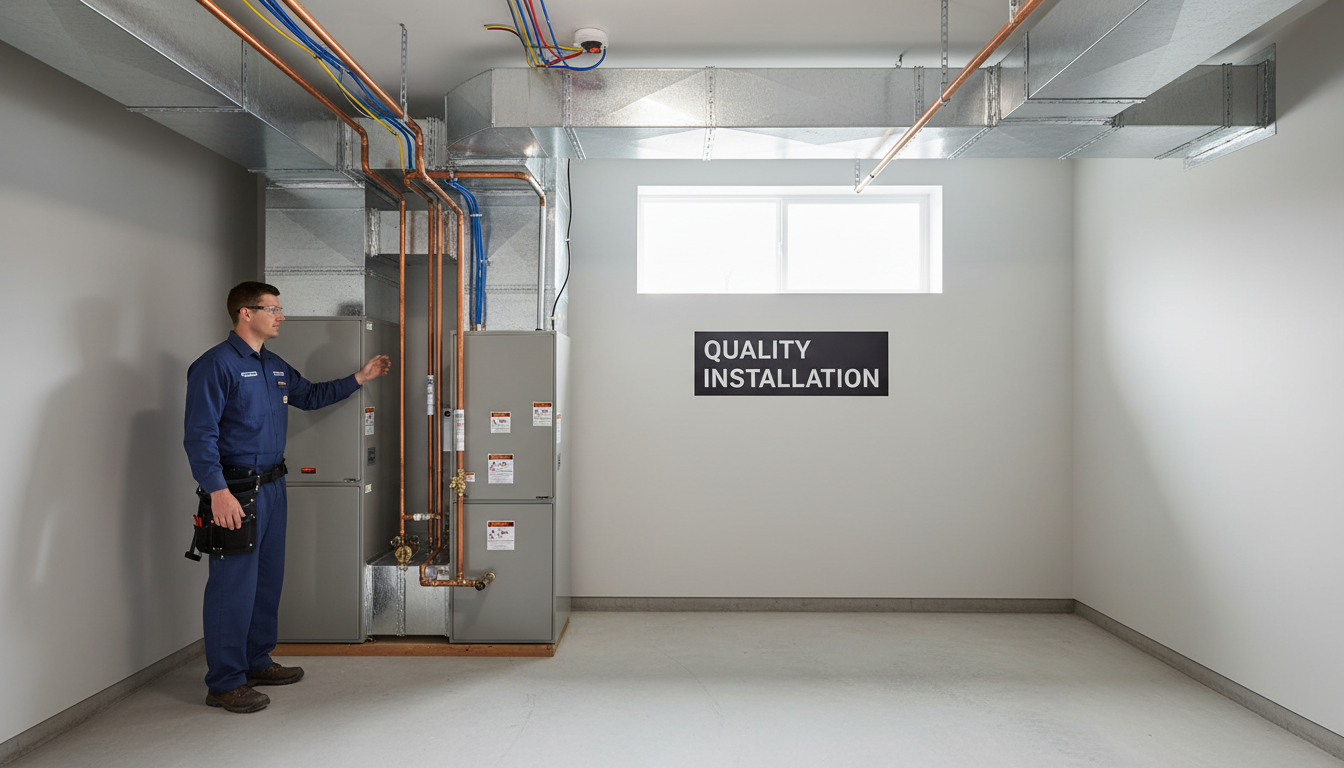
Some homeowners think that HVAC maintenance is optional. However, regular maintenance is essential for keeping your system running efficiently and extending its lifespan. Neglecting maintenance can lead to minor issues becoming significant problems, resulting in costly repairs.
Regularly changing filters, cleaning ducts, and scheduling annual inspections are simple steps that can prevent major headaches down the line.
Myth 4: Thermostat Placement Doesn't Matter
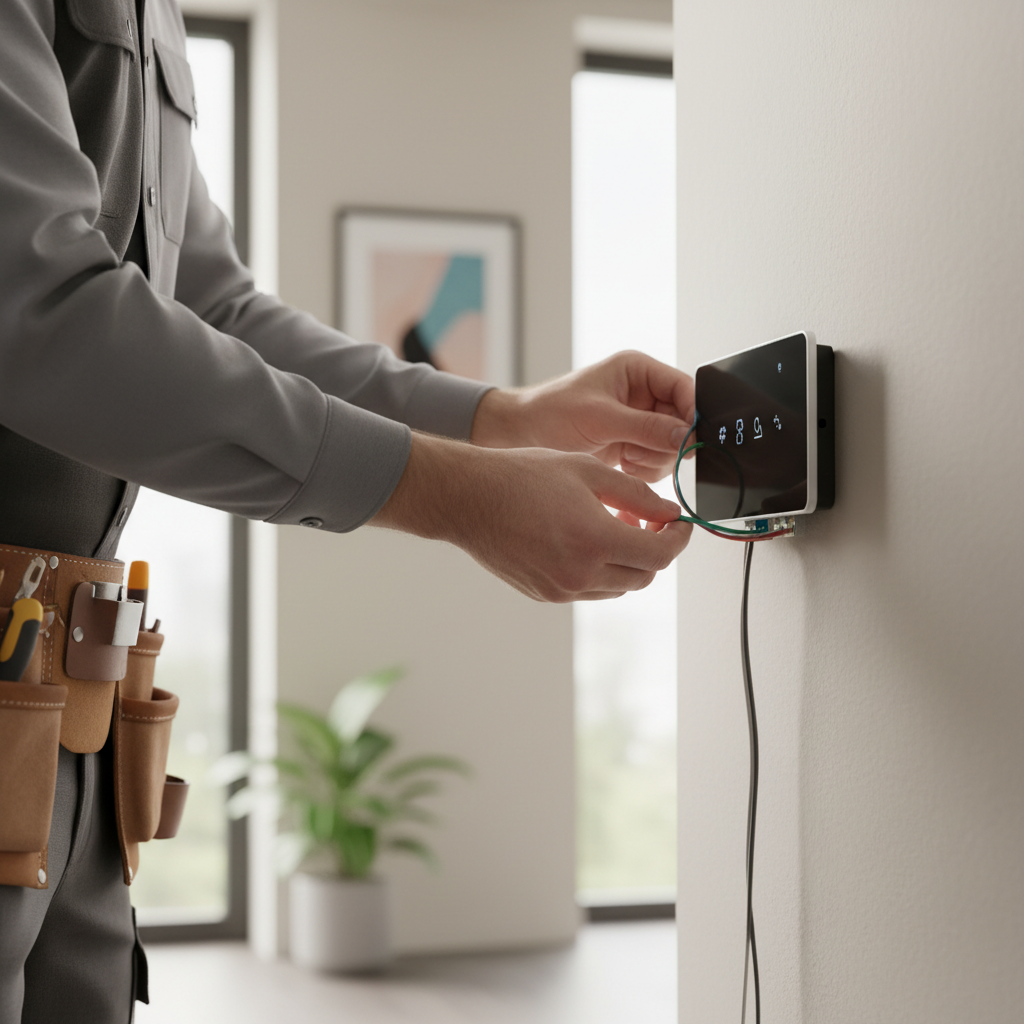
The placement of your thermostat can significantly impact your HVAC system's efficiency. Placing it near heat sources or in direct sunlight can cause inaccurate readings, leading to inefficient heating or cooling.
Ensure your thermostat is installed in a central location, away from drafts and direct sunlight, to maintain accurate temperature control.
Myth 5: Leaving the System Running Saves Energy
Some believe that leaving the HVAC system running continuously is more efficient than turning it off when not needed. This is a misconception. Using a programmable thermostat to adjust temperatures based on your schedule can significantly reduce energy usage.
By setting your system to operate only when necessary, you can enjoy comfort without the added cost of unnecessary energy consumption.
Conclusion
Understanding these common HVAC myths can help Denver homeowners make better decisions about their heating and cooling systems. By debunking these myths, you can ensure your home stays comfortable while also saving money and extending the life of your HVAC system.