
DIY HVAC Troubleshooting: Common Issues and Solutions


Understanding Your HVAC System
Your HVAC system is a crucial part of maintaining comfort in your home. However, like any complex system, it can encounter problems. By understanding some common issues, you can perform basic troubleshooting before calling a professional.

Check Your Thermostat Settings
The thermostat is often the first place to check if your HVAC system isn't working as expected. Ensure that it is set to the correct mode—either heating or cooling—and that the temperature setting is appropriate. Sometimes, a simple adjustment can solve the problem.
Additionally, check the batteries in your thermostat. Dead or weak batteries can lead to incorrect readings and malfunctioning.
Inspect Air Filters
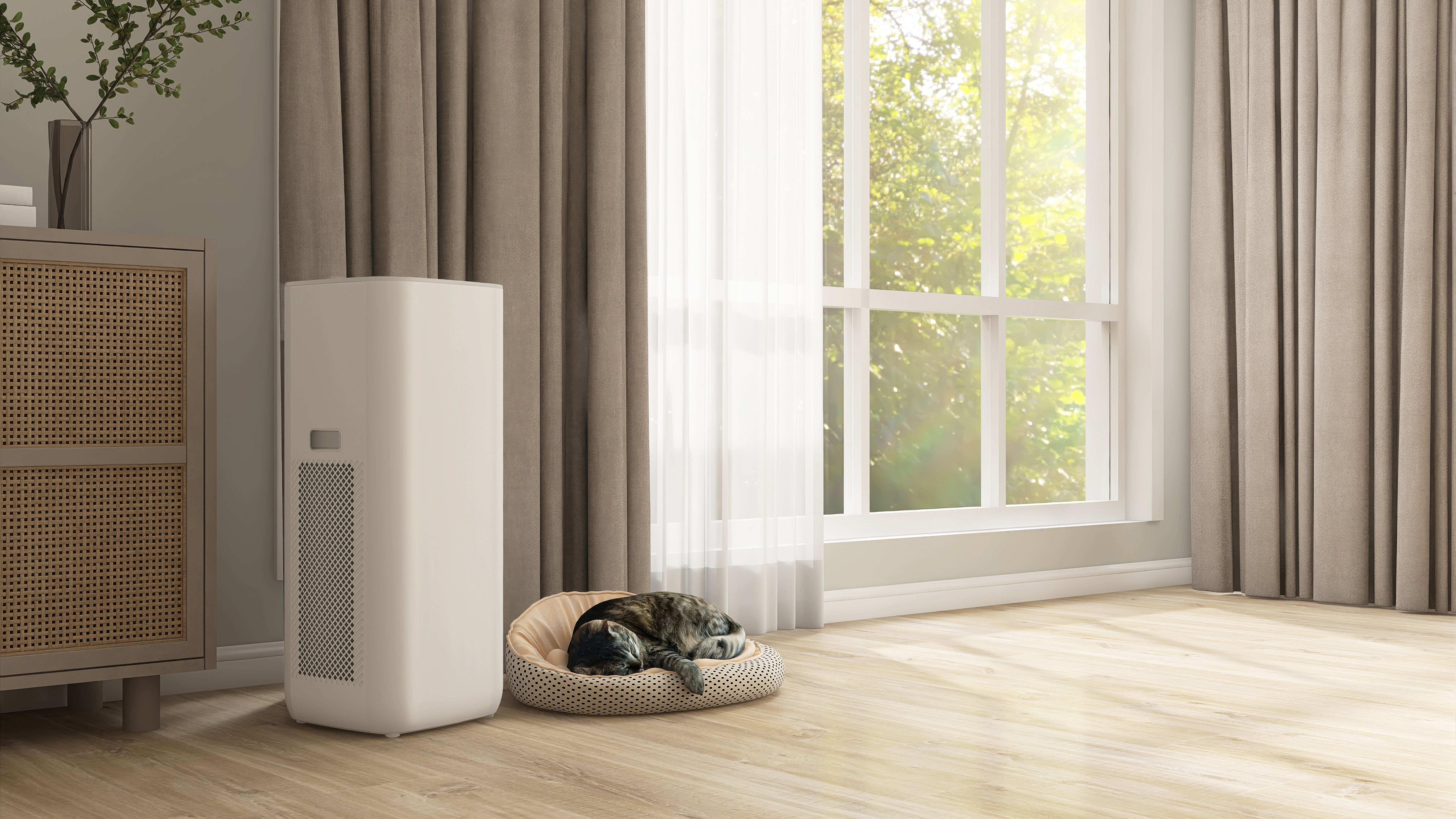
A clogged air filter can significantly impact your HVAC system's efficiency. It can cause poor airflow and make your system work harder, leading to potential damage over time. Regularly inspect and replace your air filters every 1-3 months depending on usage and filter type.
Examine the Circuit Breaker
If your HVAC system won't turn on, check your home's circuit breaker. A tripped breaker can easily be reset, restoring power to your system. If the breaker continues to trip, it might indicate a more serious electrical issue that requires professional attention.
Addressing Airflow Problems
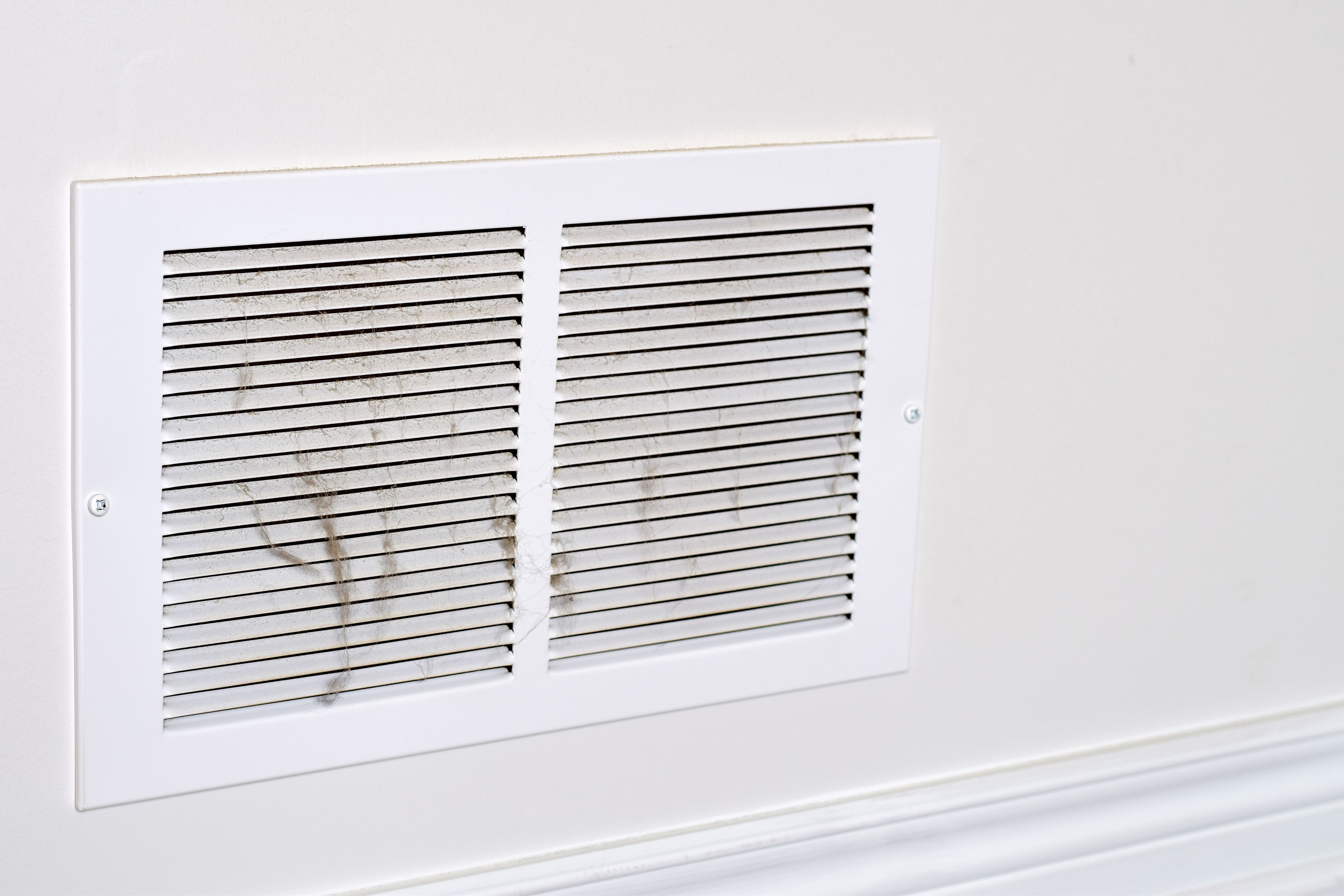
Poor airflow can be caused by several factors. Besides a dirty filter, blocked vents or ducts can also restrict airflow. Ensure that all vents are open and unblocked by furniture or other objects.
Look for Refrigerant Leaks
Refrigerant is essential for cooling your home, and a leak can compromise your system's efficiency. Signs of a refrigerant leak include ice formation on the coils and an inability to maintain cool temperatures. If you suspect a leak, it's best to contact a professional, as handling refrigerant requires specific expertise.
Listen for Unusual Noises
Strange noises from your HVAC system can indicate various issues. Banging or clanking might suggest loose parts, while a high-pitched squeal could mean a problem with the motor or belt. Identifying the noise can help you pinpoint the issue and decide whether professional repair is necessary.
Regular Maintenance Tips
Preventative maintenance is key to extending the life of your HVAC system. Schedule regular inspections and tune-ups with a certified technician to keep your system running efficiently. During these visits, they can identify potential issues before they become major problems.
By understanding these common HVAC issues and solutions, you can troubleshoot minor problems and maintain a comfortable home environment. However, remember that professional assistance is crucial for complex repairs and maintenance to ensure safety and efficiency.