
DIY HVAC Troubleshooting: Common Issues and Solutions


Maintaining your HVAC system is essential for comfort and energy efficiency. However, when issues arise, knowing some basic troubleshooting techniques can save you time and money. Let's explore some common HVAC problems and how you can address them yourself.
Thermostat Malfunctions
One of the first things to check if your HVAC system isn't working is the thermostat. Ensure it's set to the correct mode and temperature. If the thermostat is unresponsive, try replacing the batteries. In some cases, recalibrating the thermostat may resolve the issue.
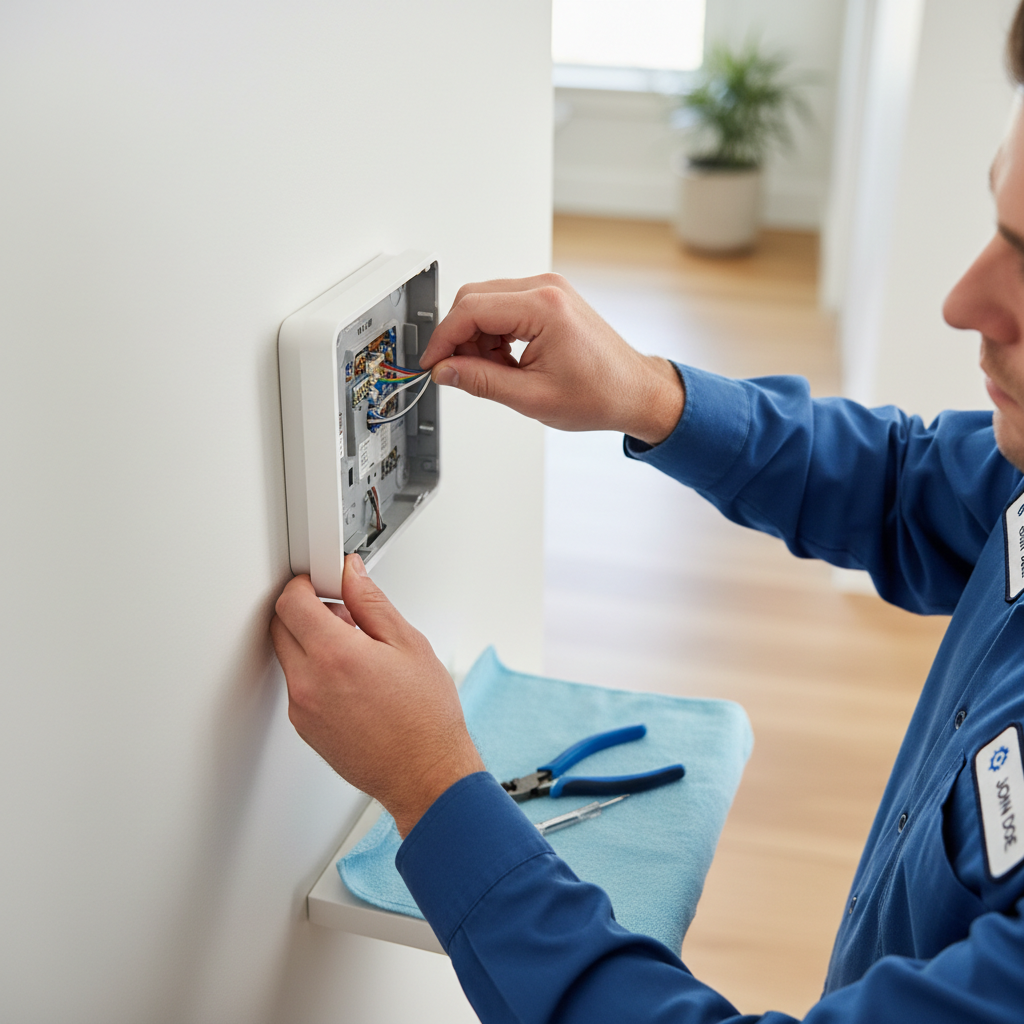
Checking Connections
Loose or corroded wires can lead to a malfunctioning thermostat. Carefully remove the thermostat cover and inspect the wiring. Tighten any loose connections and clean off any corrosion with a soft cloth.
Airflow Problems
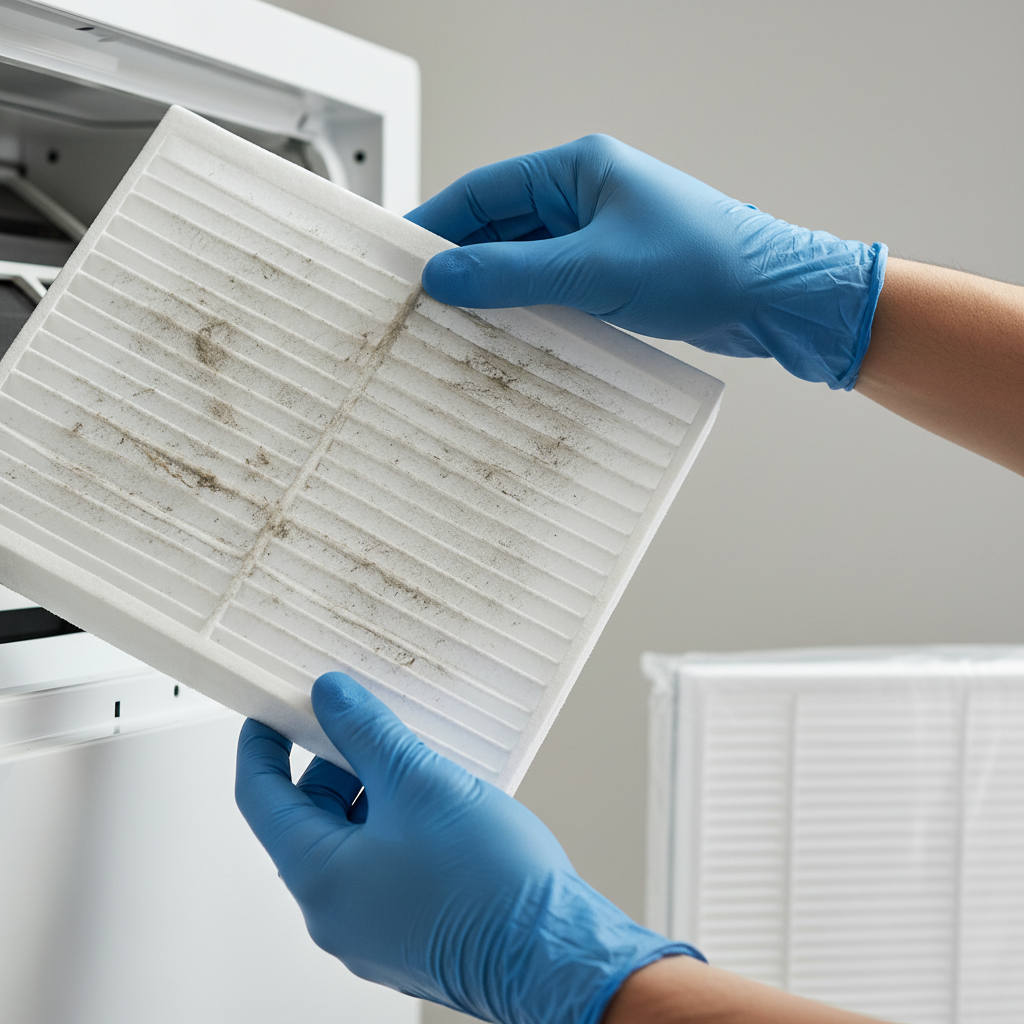
Poor airflow can reduce the efficiency of your HVAC system. Start by checking the air filters. A clogged filter can obstruct airflow, so replace it if it's dirty. Regular maintenance of air filters can prevent a host of issues.
Inspecting Vents and Registers
Blocked or closed vents can also cause airflow problems. Ensure all vents and registers are open and free from obstructions like furniture or drapes. This simple step can improve airflow significantly.
Refrigerant Leaks
Refrigerant is crucial for cooling your home. If you notice your system isn't cooling effectively, it might be due to a refrigerant leak. While fixing this issue might require professional help, you can perform some preliminary checks.
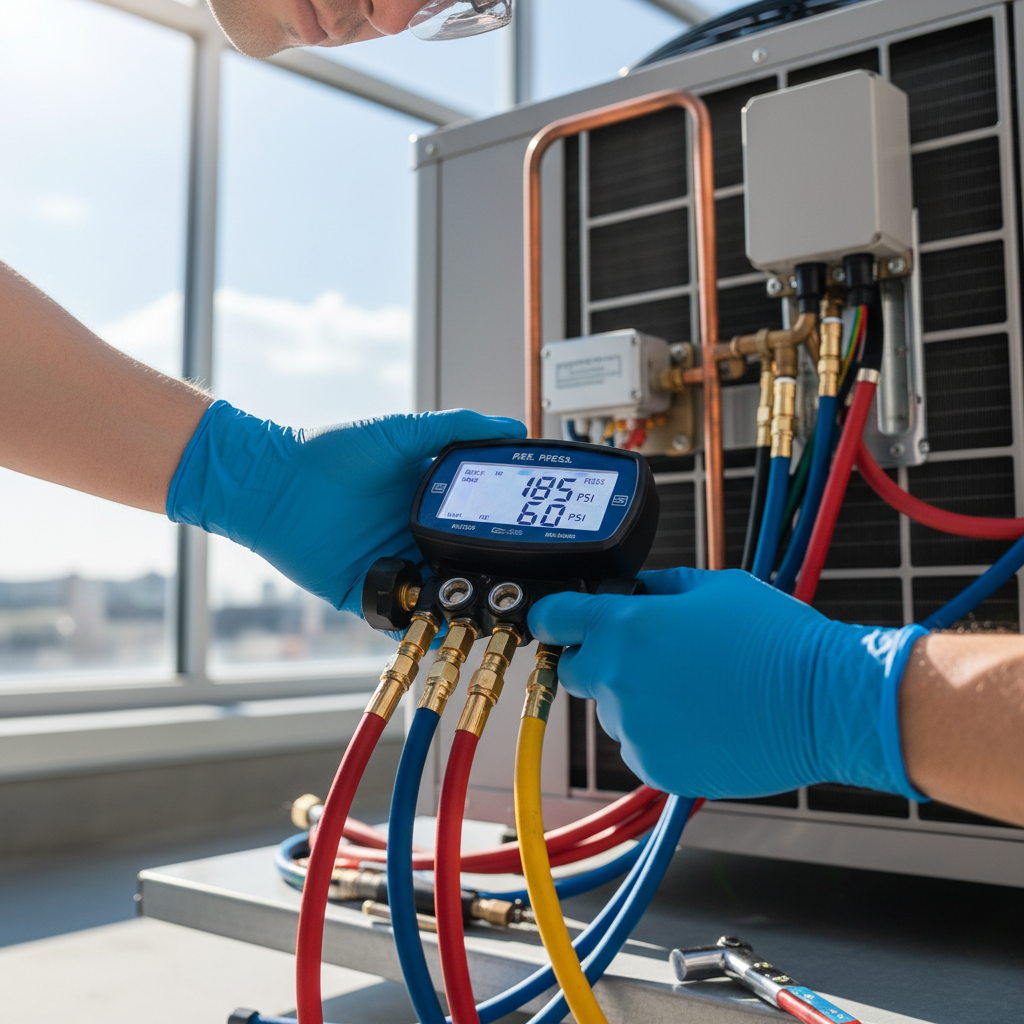
Identifying Signs of Leaks
Look for ice build-up on the refrigerant lines, hissing sounds, or a noticeable decrease in cooling efficiency. These are all indicators of a possible leak. If you suspect a leak, contacting a professional is advisable.
Strange Noises
Odd noises coming from your HVAC system can be unsettling. Rattling, buzzing, or screeching sounds often indicate different issues. Rattling might suggest loose parts, while buzzing could point to electrical problems.
Investigating Noises
If you hear screeching, it might be due to a worn-out belt. Check the belt for wear and tear and replace it if necessary. Always turn off the power before inspecting internal components to ensure safety.
Conclusion
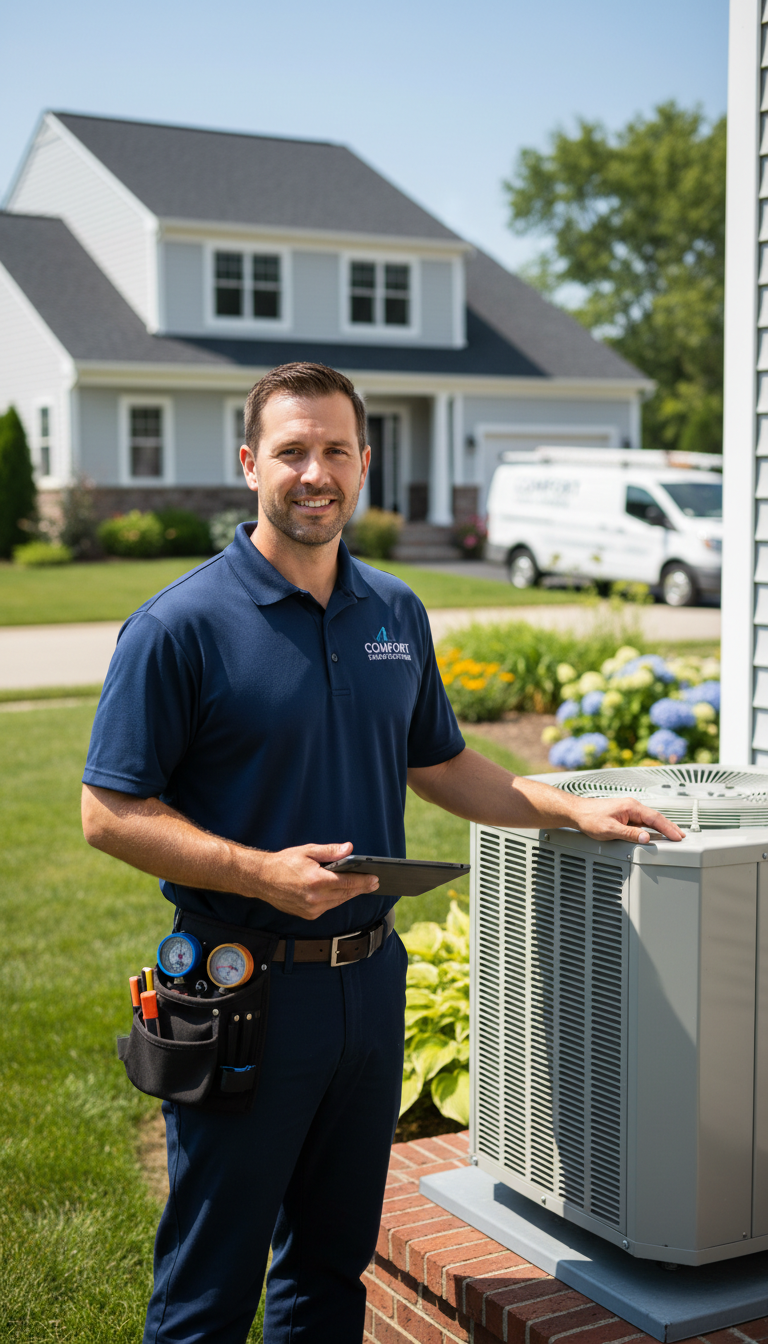
While DIY HVAC troubleshooting can resolve some common issues, always prioritize safety and know when to call a professional. Regular maintenance and prompt attention to problems can extend the life of your HVAC system and keep your home comfortable year-round.