
Drone Thermal Imaging Inspection: A Game Changer for HVAC Maintenance


Revolutionizing HVAC Maintenance
In recent years, the integration of technology into HVAC maintenance has transformed the industry. Among the most innovative advancements is the use of drone thermal imaging inspection. This cutting-edge technology offers a new perspective on maintaining HVAC systems, providing unprecedented accuracy and efficiency.
Drones equipped with thermal imaging cameras can quickly and effectively identify issues that might go unnoticed during a traditional inspection. This capability is especially valuable for large commercial buildings where HVAC systems are extensive and complex.
How Drone Thermal Imaging Works
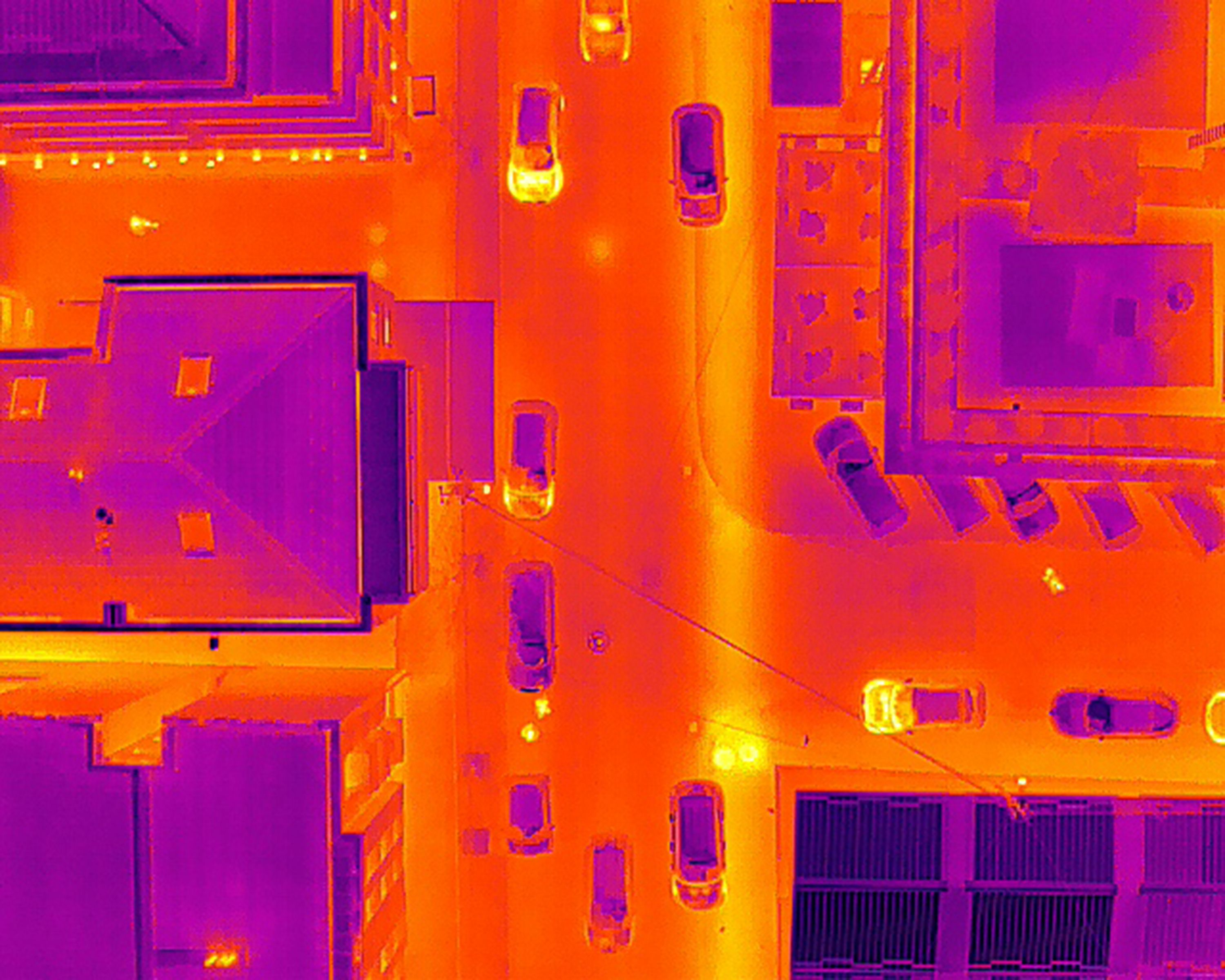
Drone thermal imaging works by capturing infrared radiation from HVAC systems and converting it into visible images. This allows technicians to see temperature differentials across surfaces, which can indicate problems such as leaks, blockages, or insulation failures.
The process involves flying drones over or around HVAC installations, where the thermal cameras capture detailed images. These images are then analyzed to identify any anomalies that could indicate maintenance needs.
Benefits of Using Drones for HVAC Inspection
The use of drones for HVAC inspection offers several significant benefits:
- Efficiency: Drones can cover large areas in a fraction of the time it would take a human inspector.
- Safety: Inspecting rooftops or other hard-to-reach areas can be hazardous. Drones eliminate the need for inspectors to put themselves in risky situations.
- Cost-Effectiveness: By identifying problems early, thermal imaging can prevent costly repairs and downtime.
Real-World Applications
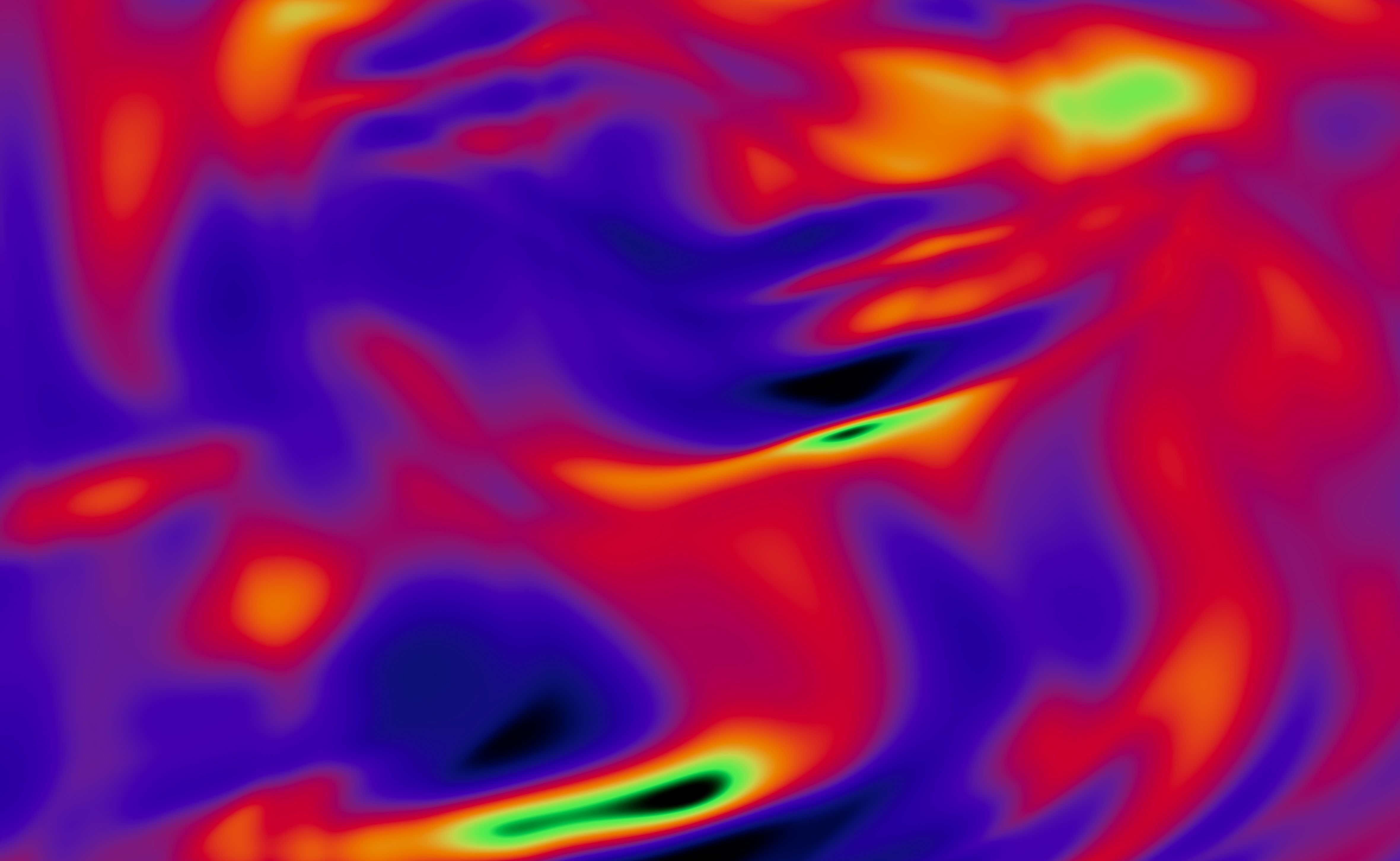
The application of drone thermal imaging in HVAC maintenance is already proving beneficial across various sectors. For instance, in commercial buildings, regular thermal inspections can ensure that systems operate efficiently, reducing energy consumption and lowering utility bills.
In industrial settings, where HVAC systems are often more complex, thermal imaging helps in pinpointing exact problem areas, facilitating targeted repairs and reducing system downtime.
Challenges and Considerations
While drone thermal imaging presents numerous advantages, it also comes with challenges. Operators must be skilled in both drone piloting and thermal imaging analysis. Additionally, weather conditions can impact the effectiveness of thermal inspections, requiring careful planning and timing.
Moreover, regulatory considerations regarding drone use must be observed, ensuring compliance with local laws and guidelines.
The Future of HVAC Maintenance
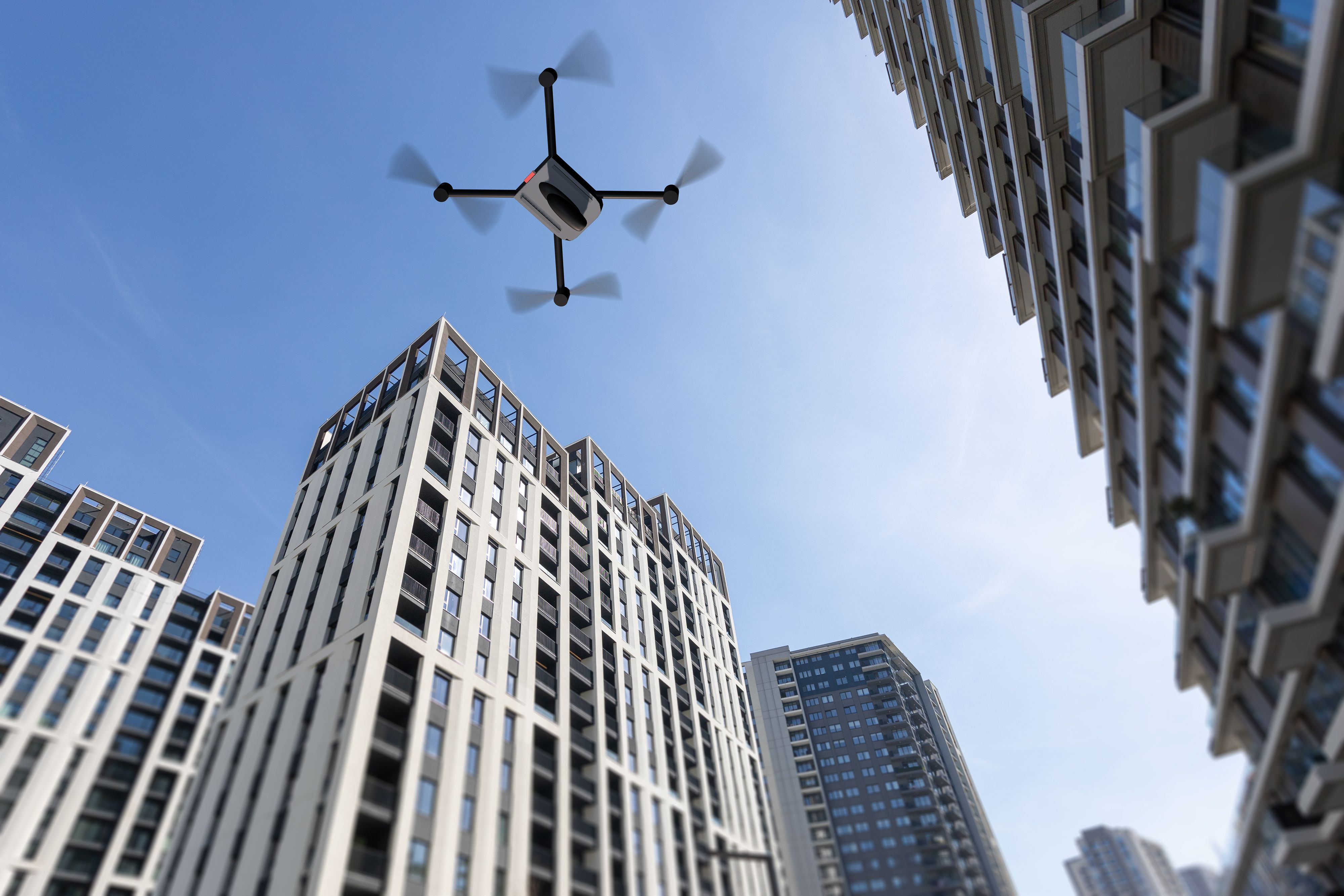
As technology continues to evolve, the role of drone thermal imaging in HVAC maintenance is expected to grow. Future advancements may include improved imaging capabilities, AI-driven analysis for faster diagnostics, and more user-friendly interfaces for technicians.
Ultimately, embracing these technological advancements will not only enhance the efficiency and safety of HVAC maintenance but also contribute to more sustainable building management practices.