
How Building Automation Systems Enhance HVAC Efficiency


Understanding Building Automation Systems
Building Automation Systems (BAS) are centralized networks that control and monitor various building systems, such as HVAC, lighting, and security. These systems are designed to improve efficiency, reduce energy consumption, and enhance comfort within a building. By integrating HVAC systems into BAS, building managers can optimize the performance of heating, ventilation, and air conditioning units.
BAS employs a range of sensors, controllers, and data analytics to automate and fine-tune HVAC operations. This sophisticated technology ensures that buildings maintain optimal temperature and air quality levels without unnecessary energy expenditure.

How BAS Enhances HVAC Efficiency
Optimized Energy Usage
One of the primary benefits of integrating BAS with HVAC systems is optimized energy usage. BAS can intelligently adjust heating and cooling settings based on occupancy, time of day, and even weather forecasts. This smart scheduling minimizes energy waste by ensuring that HVAC systems operate only when needed.
Furthermore, BAS can identify inefficiencies within the HVAC system, such as malfunctioning equipment or leaks, allowing for timely maintenance and repairs. This proactive approach reduces downtime and extends the lifespan of HVAC components.
Improved Comfort and Air Quality
BAS enhances indoor comfort by maintaining consistent temperature and humidity levels throughout the building. Advanced sensors continuously monitor environmental conditions, allowing the system to make real-time adjustments as needed. This ensures a comfortable environment for occupants, which can boost productivity and satisfaction.

In addition to temperature control, BAS manages air quality by regulating ventilation rates and filtering air pollutants. This is particularly important in commercial and industrial settings, where poor air quality can impact health and performance.
Cost Savings and Sustainability
Reducing Operational Costs
By optimizing HVAC operations, BAS significantly reduces energy consumption, leading to substantial cost savings on utility bills. Businesses and building owners can see a return on investment through decreased energy expenses and lower maintenance costs.
Moreover, by avoiding overuse and unnecessary wear and tear, BAS helps extend the lifecycle of HVAC systems, further contributing to cost savings in the long run.
Supporting Green Building Initiatives
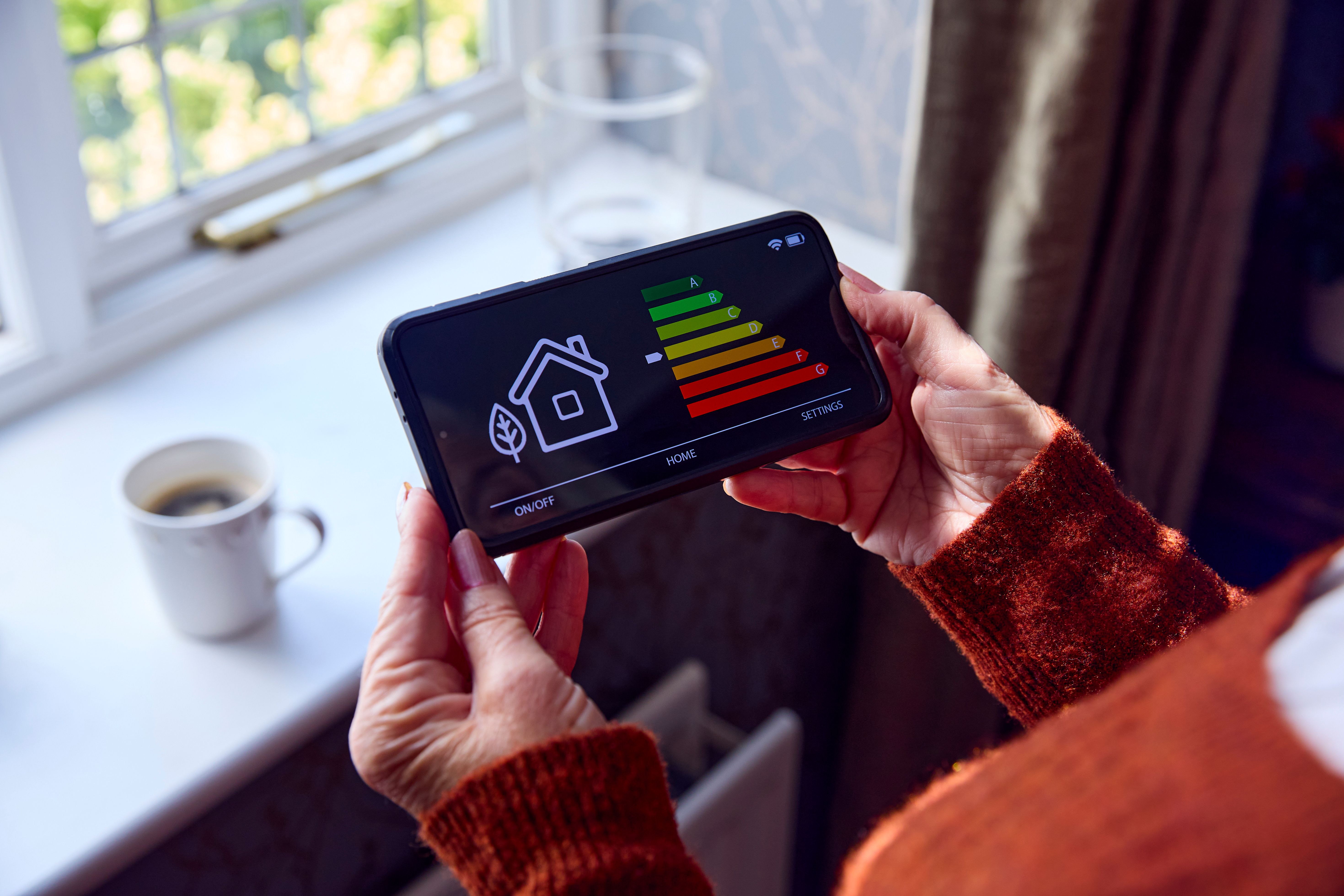
In today's environmentally conscious world, building sustainability is a top priority. Implementing BAS aligns with green building initiatives by reducing energy consumption and minimizing the carbon footprint of a building. This can enhance a company's reputation and meet regulatory requirements for environmental standards.
Overall, building automation systems play a crucial role in enhancing HVAC efficiency. By leveraging technology to optimize performance, improve comfort, and reduce costs, BAS is a valuable investment for any modern building.