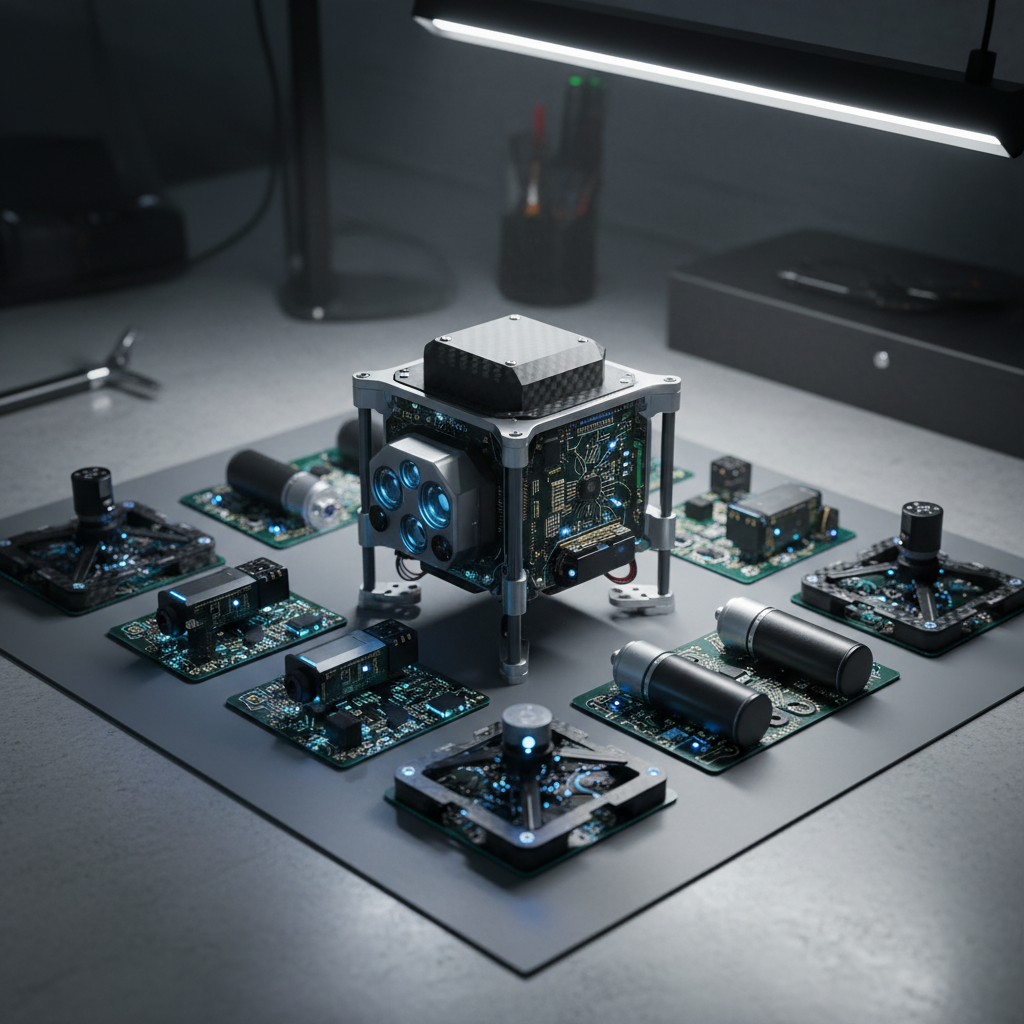
How Drone Imaging is Revolutionizing HVAC Maintenance


Introduction to Drone Imaging in HVAC
The HVAC industry is experiencing a technological transformation, driven by the integration of drone imaging. With the ability to access hard-to-reach areas and provide precise data, drones are becoming an essential tool for HVAC maintenance. This advancement not only enhances efficiency but also reduces costs and improves safety.
Drone imaging offers a bird’s-eye view of HVAC systems, allowing technicians to identify issues without the need for scaffolding or ladders. This capability accelerates the diagnostic process and minimizes downtime, leading to enhanced operational efficiency.
Efficiency and Cost Reduction
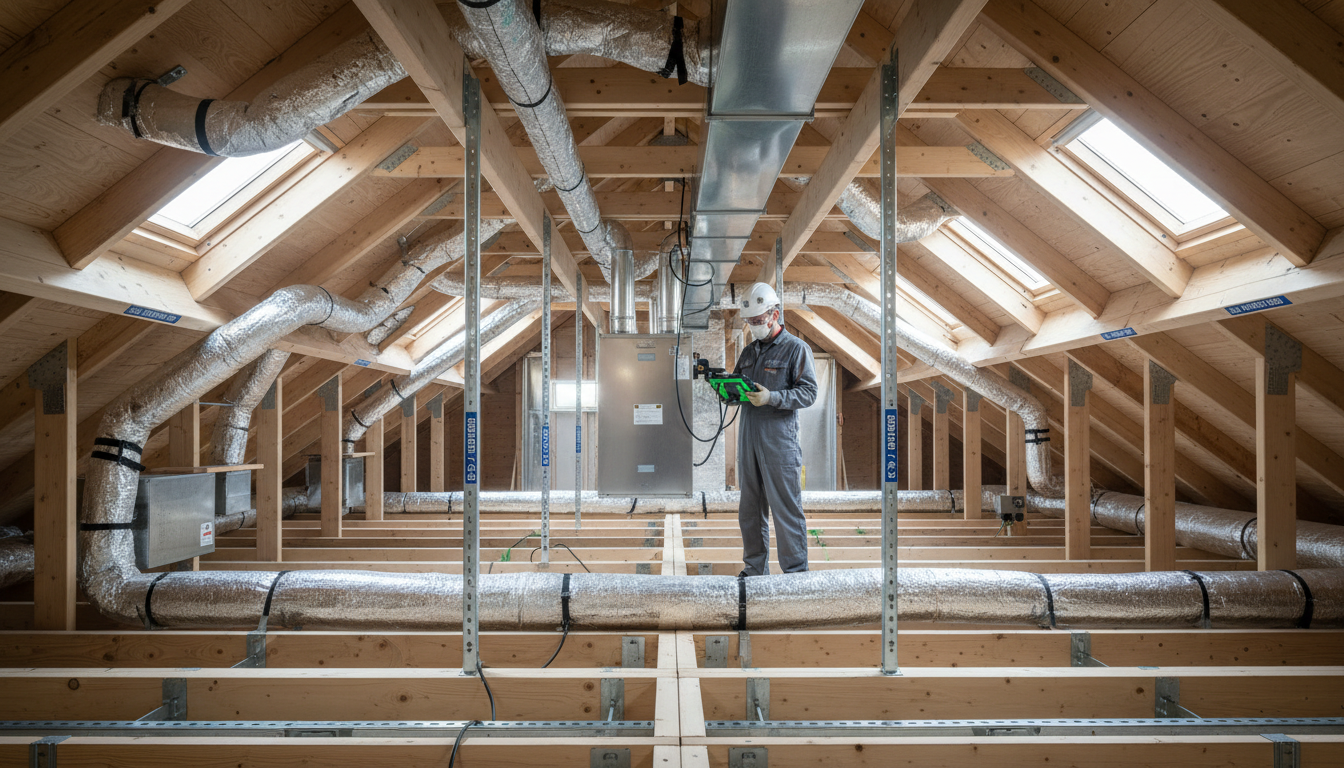
Using drones for HVAC maintenance significantly reduces the time and labor involved in inspections. Traditional methods often require multiple technicians and extensive equipment, whereas drones can complete the same job in a fraction of the time. This efficiency translates into cost savings for both service providers and customers.
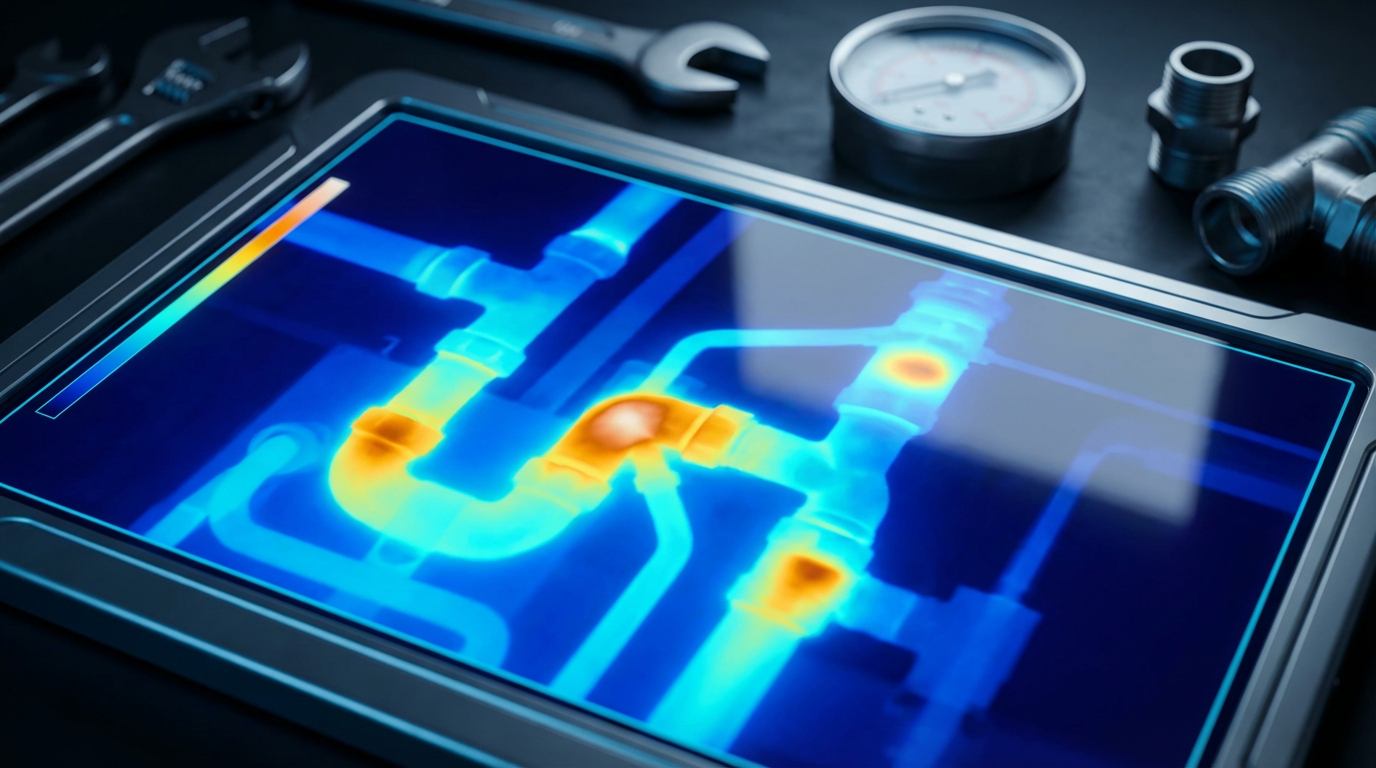
Moreover, drones are equipped with high-resolution cameras and thermal imaging sensors. These tools enable technicians to detect issues such as leaks, blockages, or insulation problems with pinpoint accuracy. By identifying problems early, costly repairs and energy waste can be avoided.
Improving Safety Standards
Safety is a paramount concern in HVAC maintenance, especially when dealing with large commercial systems. Drones eliminate the need for technicians to work at heights or in confined spaces, significantly reducing the risk of accidents. This shift not only protects workers but also complies with stringent safety regulations.
By utilizing drones, companies can ensure that safety standards are maintained without compromising on the quality of inspections. This change fosters a safer working environment and enhances the reputation of HVAC service providers.
Enhanced Data Collection and Analysis
Drone imaging provides detailed data that can be analyzed to predict potential failures and optimize system performance. The integration of artificial intelligence in drone technology allows for real-time data processing and analytics, offering actionable insights for preventive maintenance.
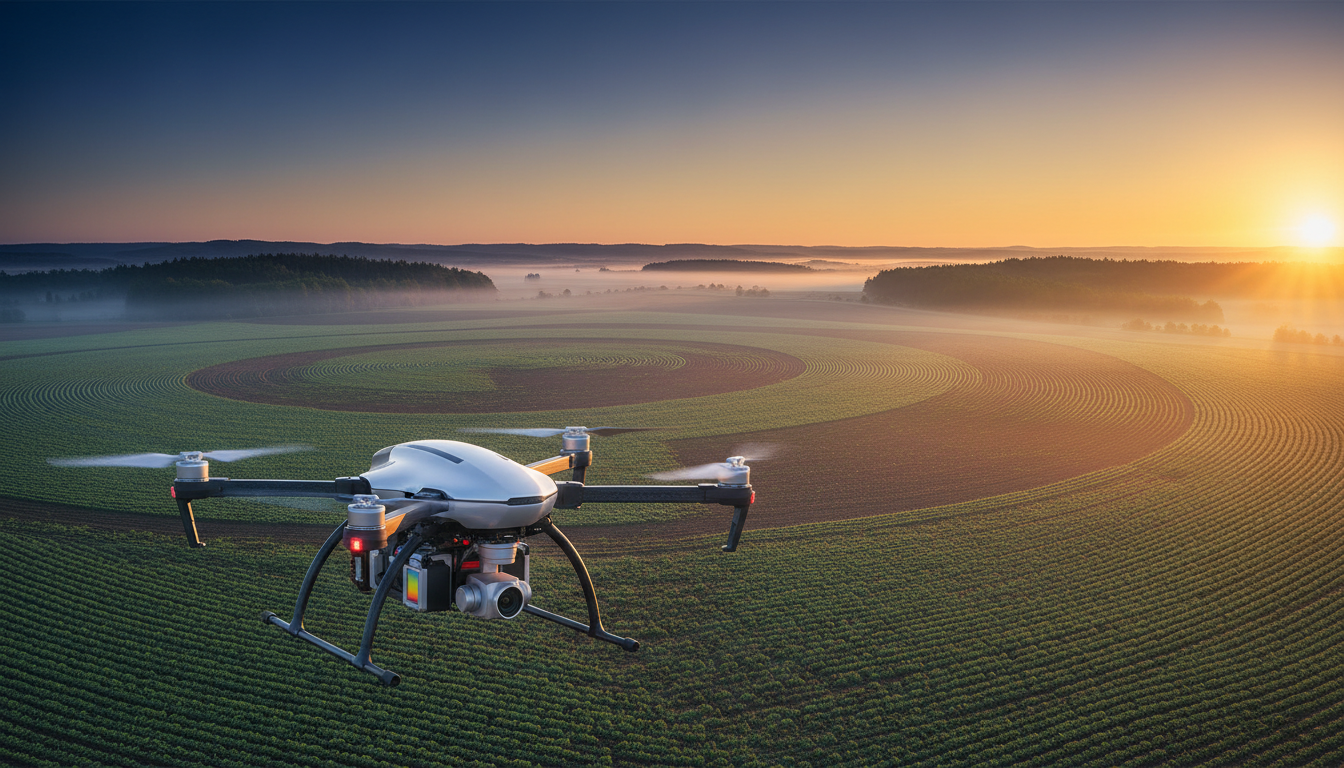
Through advanced software, technicians can access comprehensive reports and visualizations. This information helps in making informed decisions, improving system reliability, and extending the lifespan of HVAC equipment.
Future Prospects and Innovations
The future of drone imaging in HVAC maintenance is promising, with continuous advancements on the horizon. Innovations such as AI-powered drones and automated inspections are set to further revolutionize the industry.
As technology evolves, the adoption of drone imaging is expected to become more widespread, offering even greater efficiency and accuracy. Companies investing in this technology today are positioning themselves as leaders in the competitive HVAC market.