
How Drone Thermal Imaging Can Transform HVAC Efficiency


Introduction to Drone Thermal Imaging
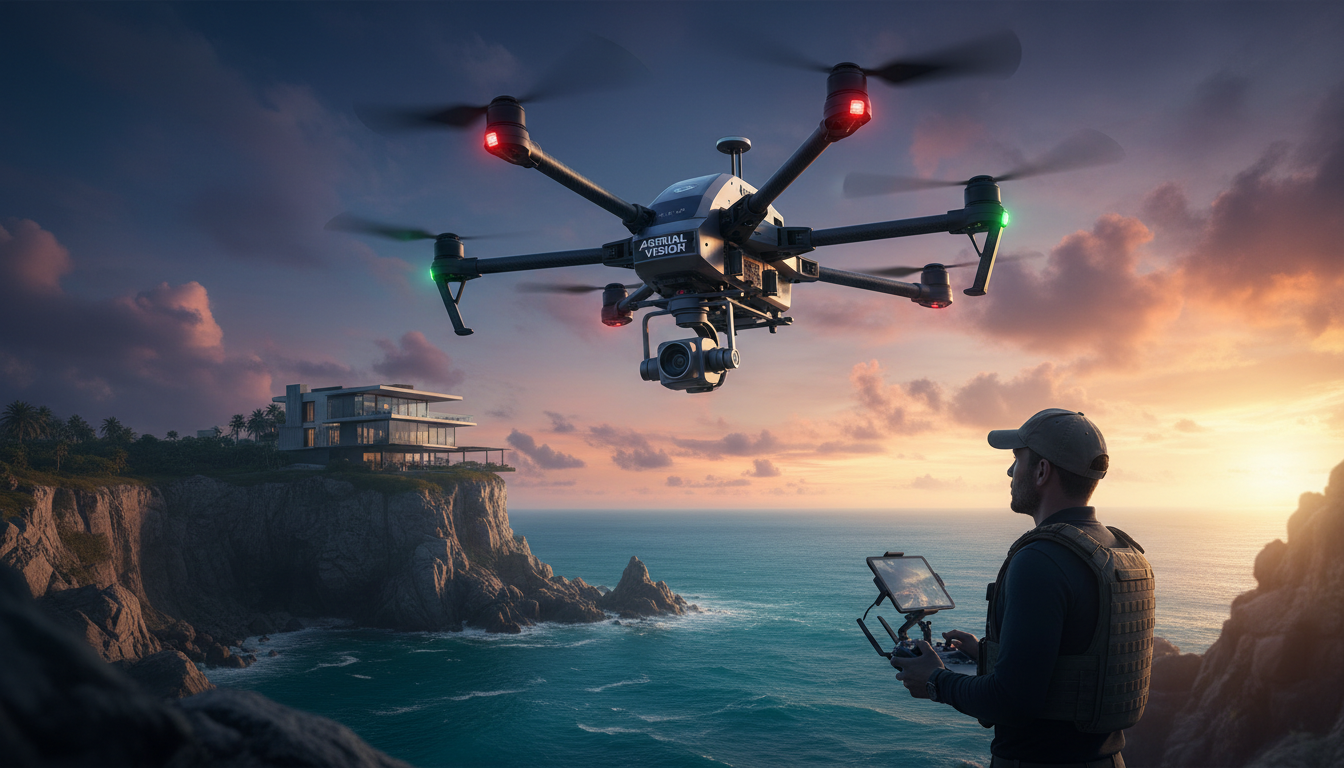
In recent years, drone technology has advanced significantly, offering a wide range of applications across various industries. One of the most promising uses is in the field of HVAC (Heating, Ventilation, and Air Conditioning), where drone thermal imaging can greatly enhance system efficiency. By providing a bird's-eye view with thermal capabilities, drones can detect issues that are often invisible to the naked eye.
Traditional HVAC inspections can be time-consuming and labor-intensive. However, with the integration of drones, these processes can be streamlined, ensuring quick and accurate assessments. This innovation not only saves time but also improves overall system performance.
How Thermal Imaging Works
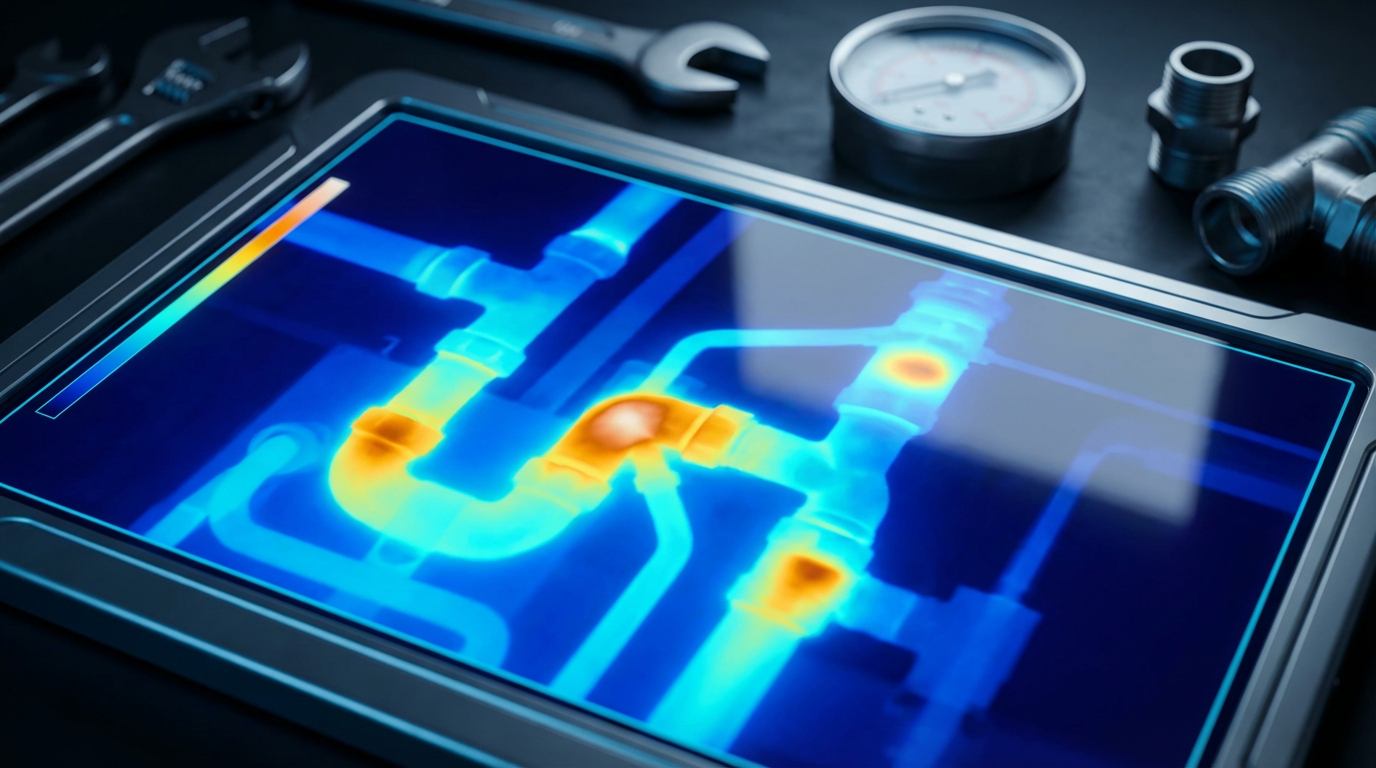
Thermal imaging sensors mounted on drones capture infrared radiation emitted by objects, converting this data into a thermal map. This map highlights temperature variations, allowing technicians to pinpoint areas of heat loss or excess heat. These insights are crucial in diagnosing inefficiencies or potential failures within HVAC systems.
By identifying temperature anomalies, technicians can address issues such as air leaks, insulation problems, and malfunctioning components. This proactive approach helps prevent costly repairs and reduces energy consumption.
Benefits of Drone Thermal Imaging in HVAC
Integrating drone thermal imaging into HVAC maintenance offers several advantages:
- Increased Accuracy: Drones provide precise data that can be difficult to obtain through manual inspections.
- Time Efficiency: Drones can cover large areas quickly, reducing the time needed for assessments.
- Cost Savings: By identifying issues early, companies can avoid expensive repairs and optimize energy usage.
Implementing Drones in HVAC Inspections
To effectively incorporate drones into HVAC inspections, businesses must invest in the right equipment and training. Choosing drones equipped with high-quality thermal cameras is essential for obtaining reliable data. Additionally, technicians must be trained to interpret thermal maps accurately and make informed decisions based on the findings.
Regulatory compliance is another important consideration. Operators must adhere to local regulations regarding drone usage, ensuring safe and legal operations. Working with certified drone pilots can help businesses navigate these requirements smoothly.
Future of Drones in HVAC
The future of drones in HVAC is promising, with continued advancements in technology likely to enhance their capabilities. As drones become more sophisticated, their integration into HVAC systems will become even more seamless, offering expanded functionalities such as automated inspections and real-time data analysis.
Embracing this technology will enable HVAC professionals to stay ahead of the curve, providing efficient and sustainable solutions for their clients. The shift towards drone-powered inspections is not just a trend but a transformative step in modernizing HVAC maintenance.

Conclusion
Drone thermal imaging is revolutionizing the HVAC industry by providing a more efficient, accurate, and cost-effective method for system inspections. As this technology continues to evolve, its impact on improving energy efficiency and reducing operational costs will only grow. For businesses looking to enhance their HVAC systems, investing in drone technology is a smart choice that promises long-term benefits.