
How Drone Thermal Imaging is Revolutionizing HVAC Efficiency


The Rise of Drone Thermal Imaging in HVAC
In recent years, the incorporation of drone technology into various industries has proven to be a game-changer. One area where drones are making a significant impact is in the field of HVAC (Heating, Ventilation, and Air Conditioning). By utilizing drone thermal imaging, HVAC professionals can now enhance efficiency and precision in their operations.
Understanding Thermal Imaging
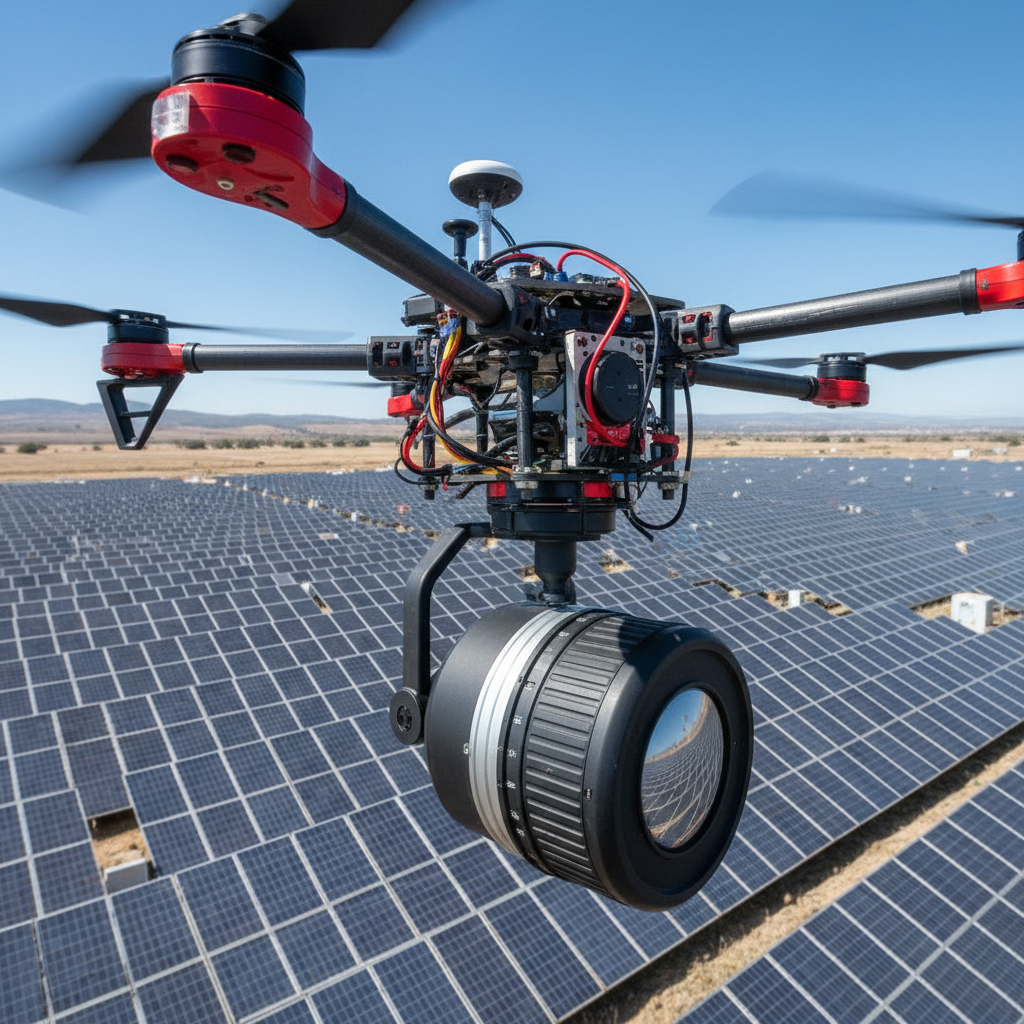
Thermal imaging technology allows for the detection of heat patterns and temperature variations that are invisible to the naked eye. This capability is crucial in identifying energy inefficiencies, leaks, and equipment malfunctions. Drones equipped with thermal cameras can access hard-to-reach areas, providing comprehensive data without the need for manual inspections.
Traditional methods of HVAC inspection often require extensive labor and time. However, drones streamline this process by offering a bird's-eye view, enabling swift and thorough assessments.
Enhancing HVAC Efficiency
The application of drone thermal imaging in HVAC systems offers several benefits that contribute to overall efficiency. Here are some key advantages:
- Early Detection: Identifying issues before they escalate can prevent costly repairs and downtime.
- Improved Accuracy: Drones can provide precise temperature readings, ensuring accurate diagnostics.
- Cost-Effectiveness: Reducing the need for scaffolding or ladders lowers labor costs and enhances safety.
Real-World Applications
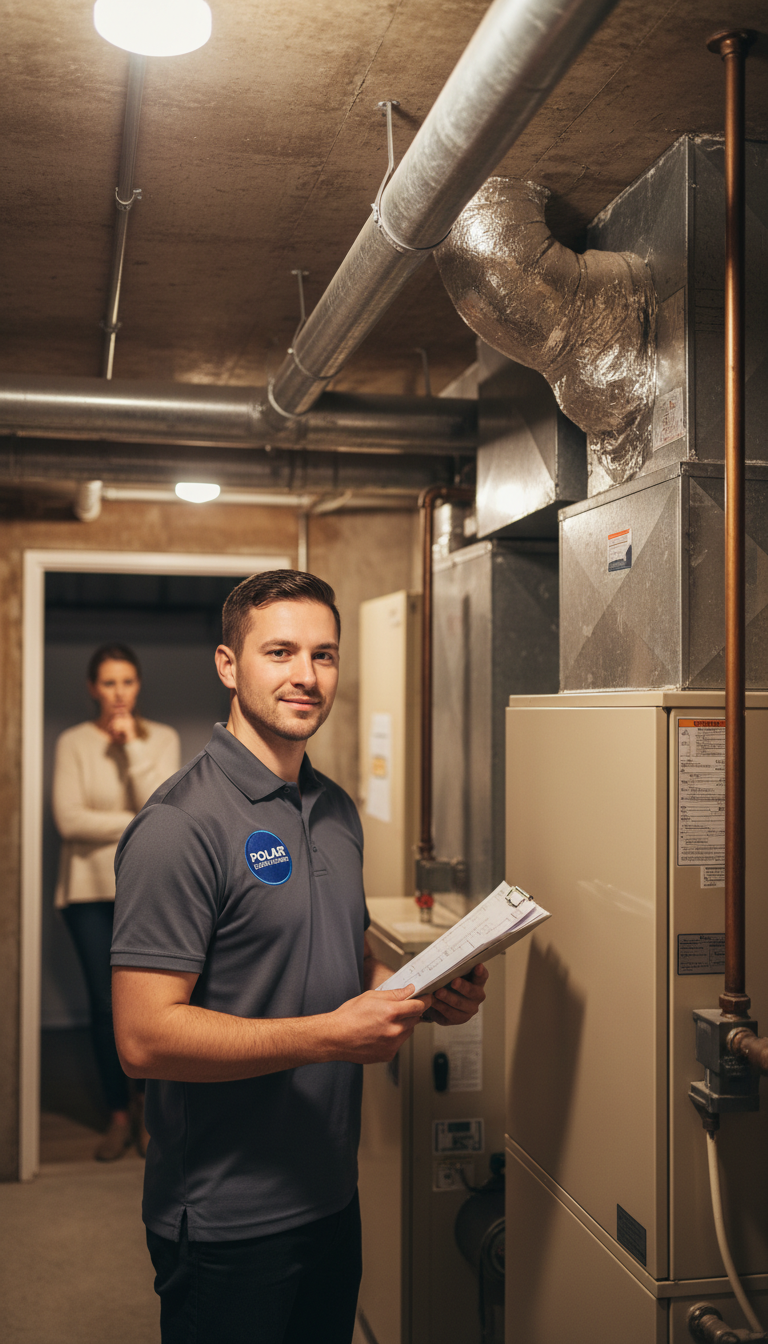
Several industries are already leveraging drone thermal imaging for HVAC purposes. In commercial buildings, drones help inspect large-scale HVAC systems efficiently. Residential sectors also benefit by ensuring that home systems operate optimally, reducing energy bills and enhancing comfort.
Moreover, in industrial settings, drones can monitor complex systems, ensuring compliance with safety standards and regulations. This proactive approach minimizes the risk of unexpected failures.
Challenges and Considerations
While the benefits are substantial, there are challenges to consider. Weather conditions can impact drone operations, and there are regulatory requirements for drone flights that must be adhered to. Additionally, interpreting thermal images requires expertise to ensure accurate assessments.
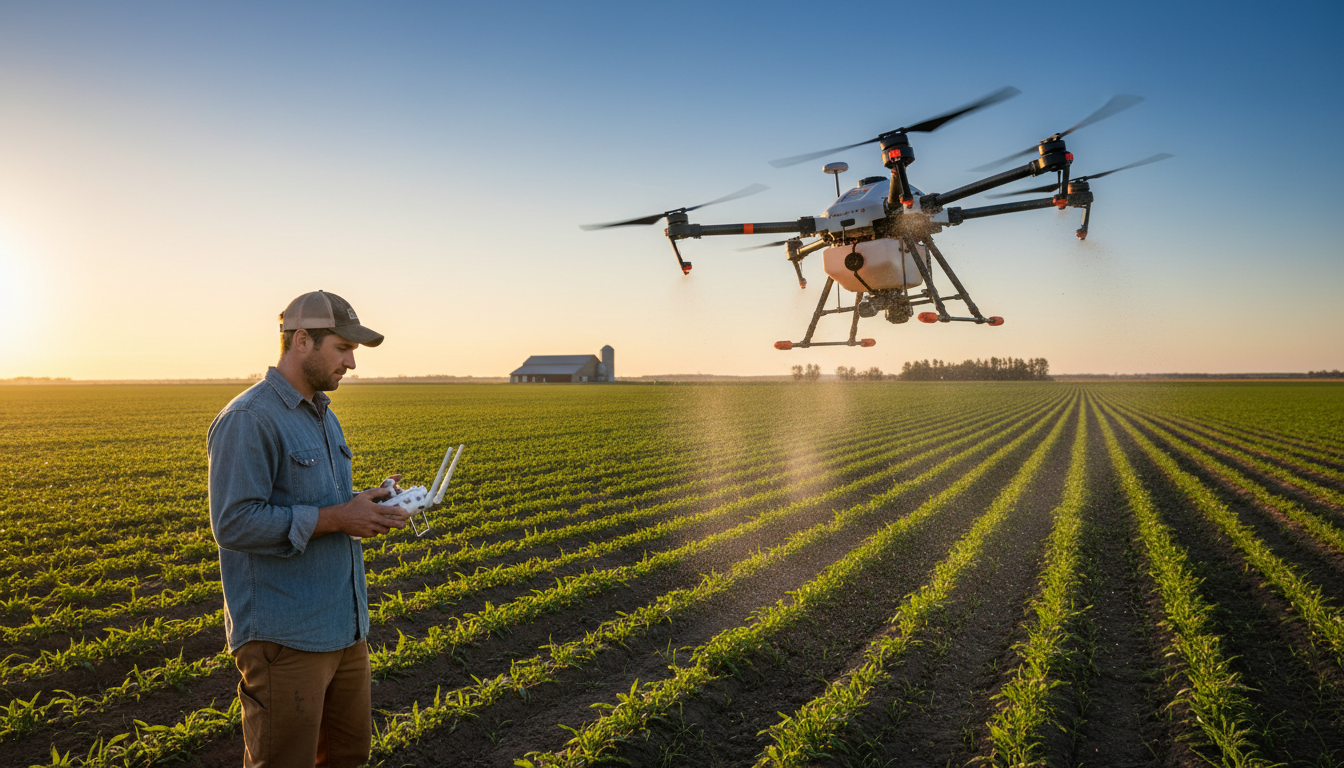
To maximize the potential of drone thermal imaging, HVAC professionals must invest in proper training and stay updated with technological advancements.
The Future of HVAC with Drones
As technology continues to evolve, the integration of drones in HVAC systems is expected to expand further. Innovations in drone design and thermal imaging capabilities will likely enhance efficiency and reduce costs even more. The future holds promising prospects for businesses willing to embrace these advancements.
In conclusion, drone thermal imaging is revolutionizing the HVAC industry by offering a faster, more efficient, and safer means of inspection and maintenance. As more companies adopt this technology, the benefits will continue to grow, paving the way for a more sustainable and energy-efficient future.