
Maximizing Efficiency: The Benefits of Custom Preventive Maintenance Plans for Your Business


Understanding Preventive Maintenance
Every business relies on equipment and machinery to function smoothly. A well-thought-out preventive maintenance plan ensures that these assets operate efficiently, reducing downtime and unexpected breakdowns. By scheduling regular check-ups, businesses can address potential issues before they become costly problems.
Preventive maintenance is not a one-size-fits-all solution. Each business has its unique needs and challenges, which is why customizing a plan is crucial. Tailored maintenance plans ensure that specific equipment and operational requirements are met effectively.
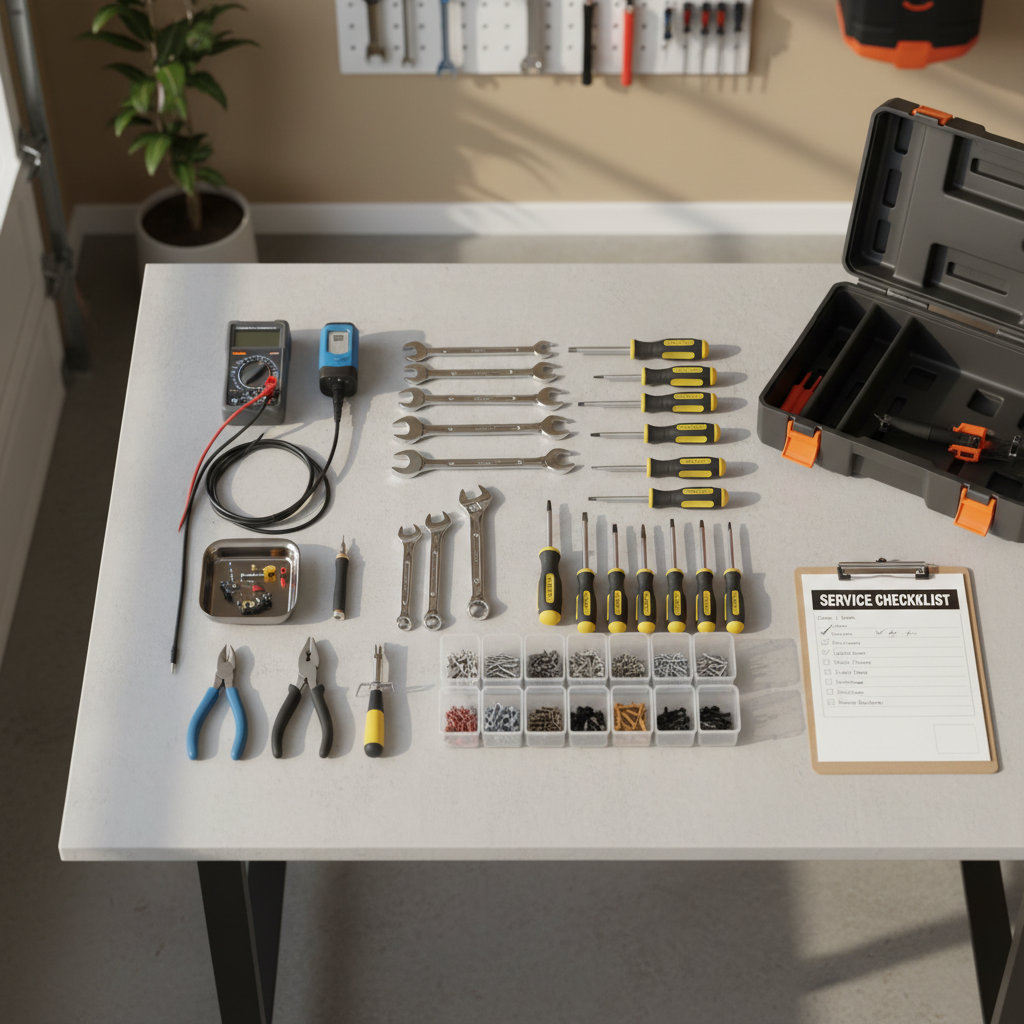
Benefits of Custom Preventive Maintenance Plans
Custom preventive maintenance plans offer numerous advantages that help businesses stay ahead. Here are some key benefits:
- Increased Equipment Lifespan: Regular maintenance helps extend the life of your machinery, delaying the need for expensive replacements.
- Reduced Downtime: Proactive measures keep operations running smoothly, minimizing unexpected interruptions.
- Cost Savings: Preventive maintenance reduces the likelihood of major repairs, saving money in the long run.
Additionally, a custom plan considers the specific operational schedule of your business, ensuring maintenance is performed at the most convenient times.
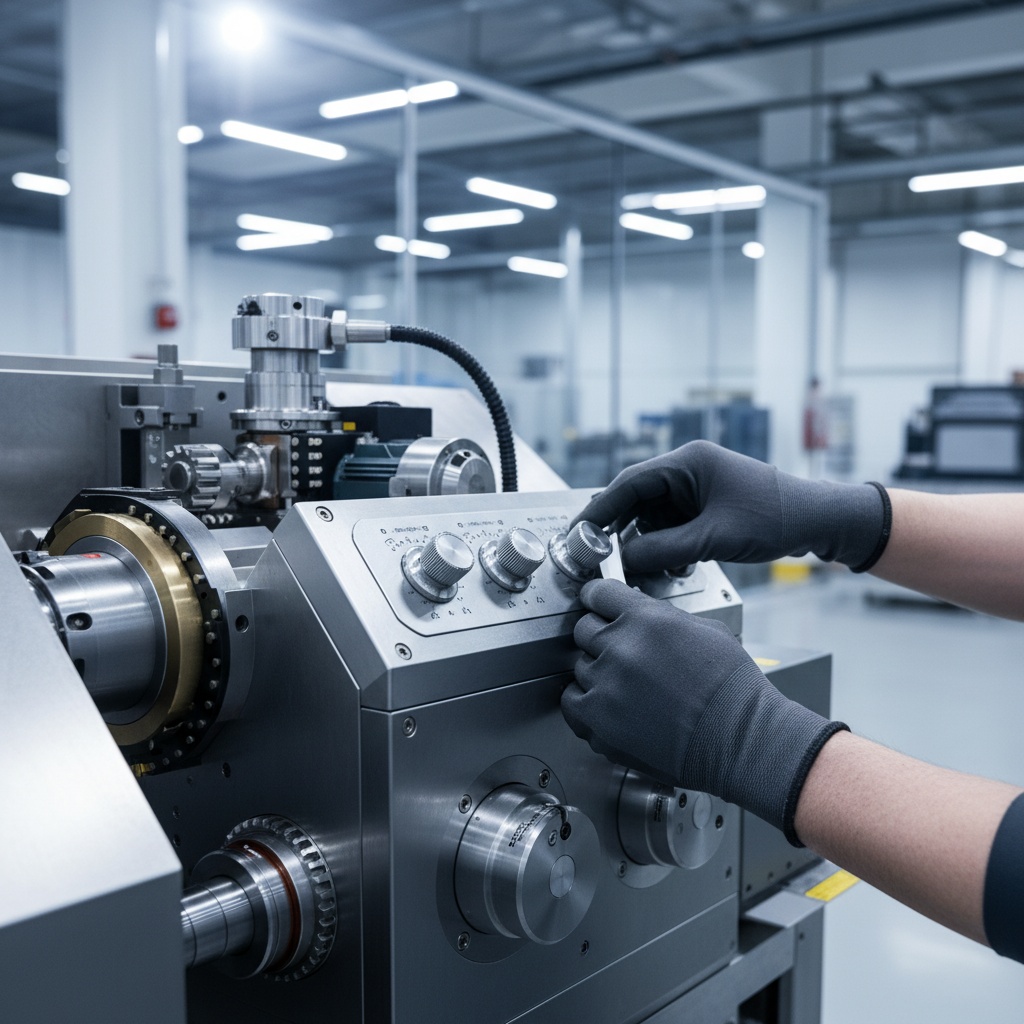
How to Develop a Custom Plan
Creating a custom preventive maintenance plan involves several key steps. Begin by conducting a comprehensive assessment of your equipment and identifying critical components that require regular attention. Collaborate with maintenance professionals to establish a schedule that aligns with your operational needs.
It’s also important to document all maintenance activities. Keeping detailed records helps track the performance of your equipment and highlights areas needing improvement. This data-driven approach facilitates informed decision-making and continuous optimization of the maintenance process.

Implementing and Monitoring the Plan
Once a plan is developed, implementation is the next crucial step. Ensure all personnel are trained and aware of the maintenance schedule. This promotes a culture of responsibility and accountability within the organization.
Regularly monitor and review the plan's effectiveness. Use metrics such as equipment uptime and maintenance costs to evaluate success. Adjustments may be necessary to address changing business needs or technological advancements.
The Long-Term Impact
A well-maintained business environment leads to improved productivity and employee satisfaction. Employees can focus on their tasks without the disruption of equipment failures. Furthermore, customers benefit from reliable service delivery, enhancing your business reputation.
In conclusion, investing in a custom preventive maintenance plan is a strategic decision that yields significant returns. By prioritizing maintenance, businesses can maximize efficiency, reduce costs, and ensure long-term operational success.