
Preparing Your Denver Home for Winter: Essential HVAC Tips


Inspect and Clean Your HVAC System
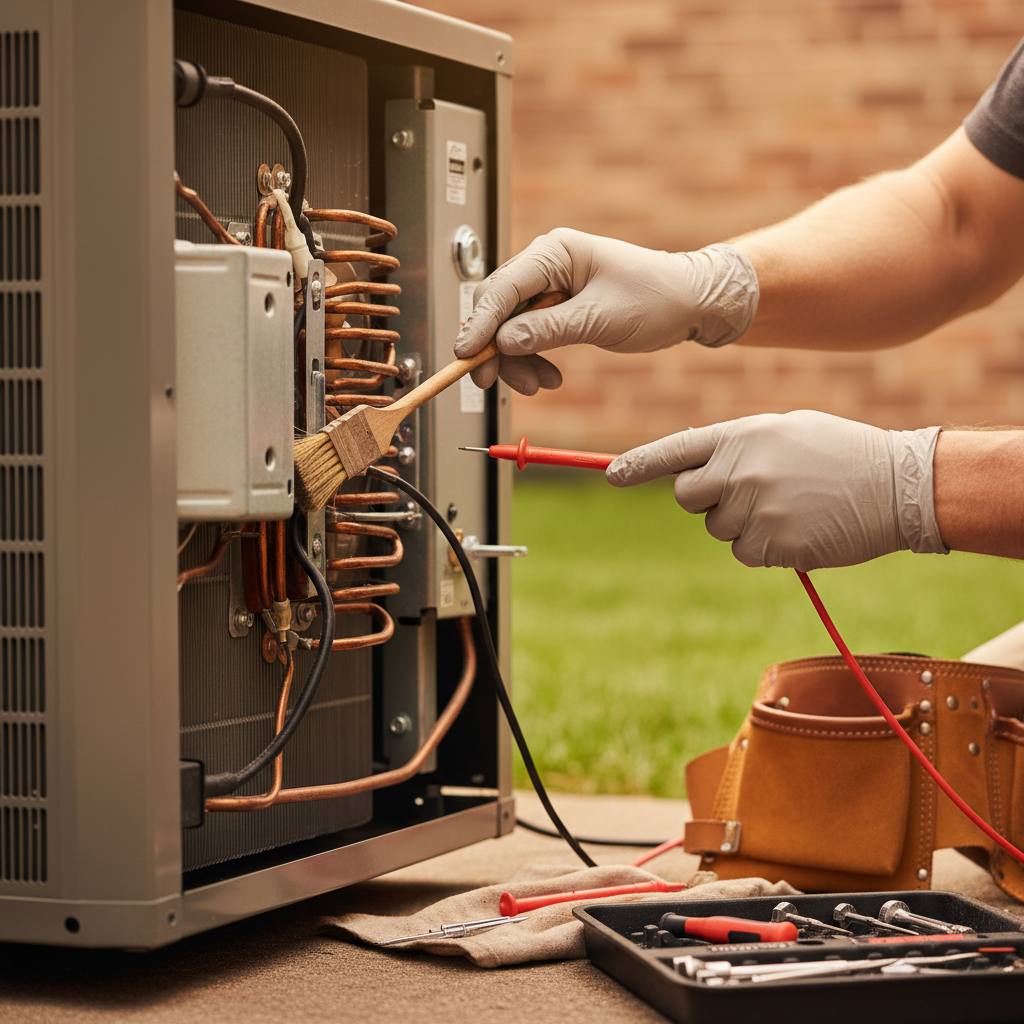
As winter approaches, it's crucial to ensure your HVAC system is in top condition. Start by scheduling a professional inspection. A certified technician can identify any potential issues, ensuring your system runs efficiently throughout the cold months. Regular maintenance can prevent unexpected breakdowns and extend the life of your system.
In addition to professional inspections, make sure to clean your HVAC system regularly. Dust and debris can accumulate in the filters and vents, leading to inefficient heating and higher energy bills. Consider replacing air filters every 1-3 months for optimal performance.
Seal Windows and Doors
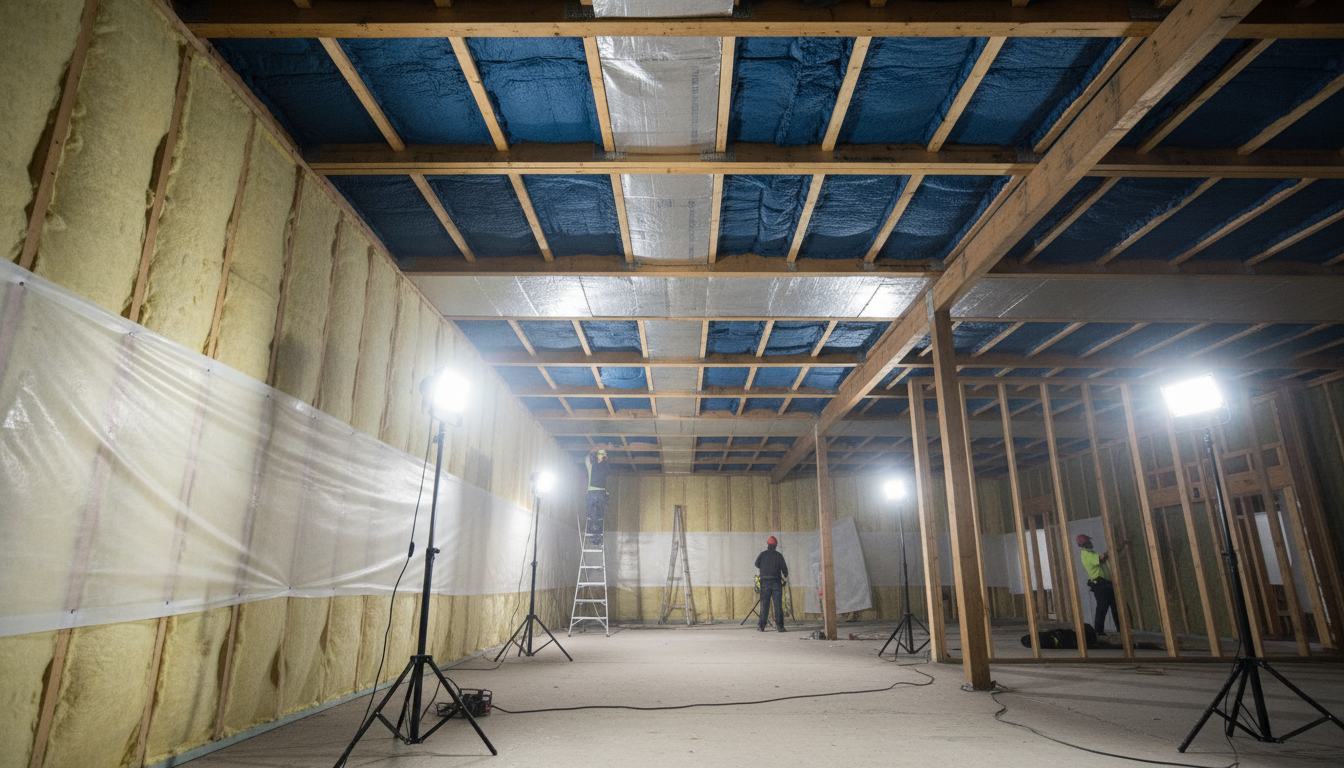
Preventing drafts is essential for maintaining a warm home and reducing energy costs. Inspect all windows and doors for any gaps or cracks. Use weatherstripping or caulking to seal these areas and keep the cold air out. Not only will this improve your comfort, but it will also reduce the strain on your HVAC system.
Consider investing in thermal curtains or blinds for added insulation. These can help retain heat and also add a stylish touch to your home decor.
Optimize Thermostat Settings
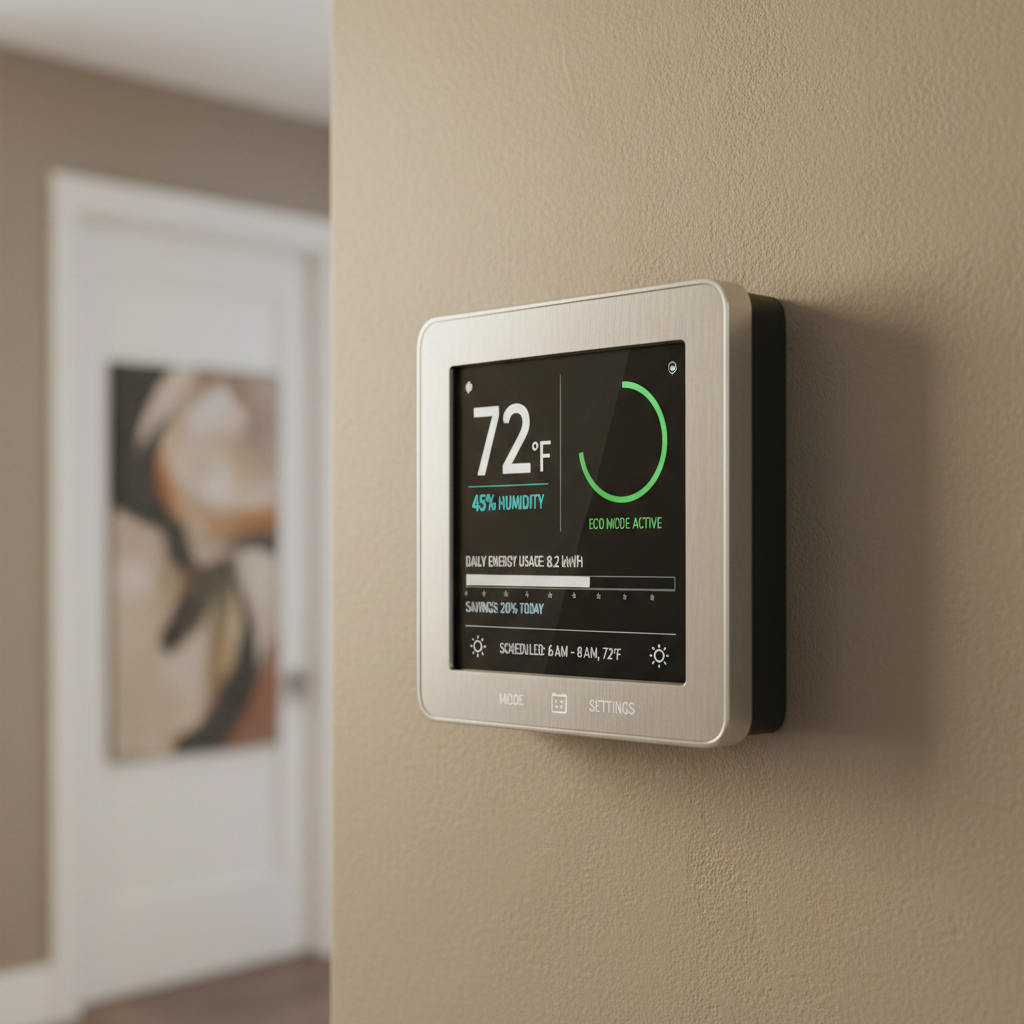
Your thermostat plays a key role in managing energy consumption. Set your thermostat to a comfortable yet economical temperature. When you're away or asleep, lowering the temperature by a few degrees can lead to significant savings on your energy bill.
For even greater efficiency, consider upgrading to a programmable or smart thermostat. These devices allow you to set schedules and control the temperature remotely, ensuring your home is always at the ideal temperature without wasting energy.
Check and Insulate Ductwork
Leaky ducts can decrease the efficiency of your heating system by up to 20%. Inspect your ductwork for any leaks or disconnected sections. Sealing these gaps with duct tape or mastic sealant can improve airflow and reduce energy waste.
Additionally, insulating your ductwork can prevent heat loss as air travels through the system. This is particularly important for ducts that run through unheated spaces like basements or attics.
Prepare Your Furnace
Ensuring your furnace is ready for winter is crucial. Begin by checking the furnace filter and replacing it if necessary. A clean filter improves airflow and efficiency. Next, inspect the furnace's blower belt and motor for wear and tear. If you notice any issues, contact a professional for repairs.
Ensure the furnace area is clear of any obstructions or flammable materials. This not only improves efficiency but also enhances safety. Regular furnace maintenance can save you from costly repairs and ensure a warm home during winter.
Consider an Energy Audit
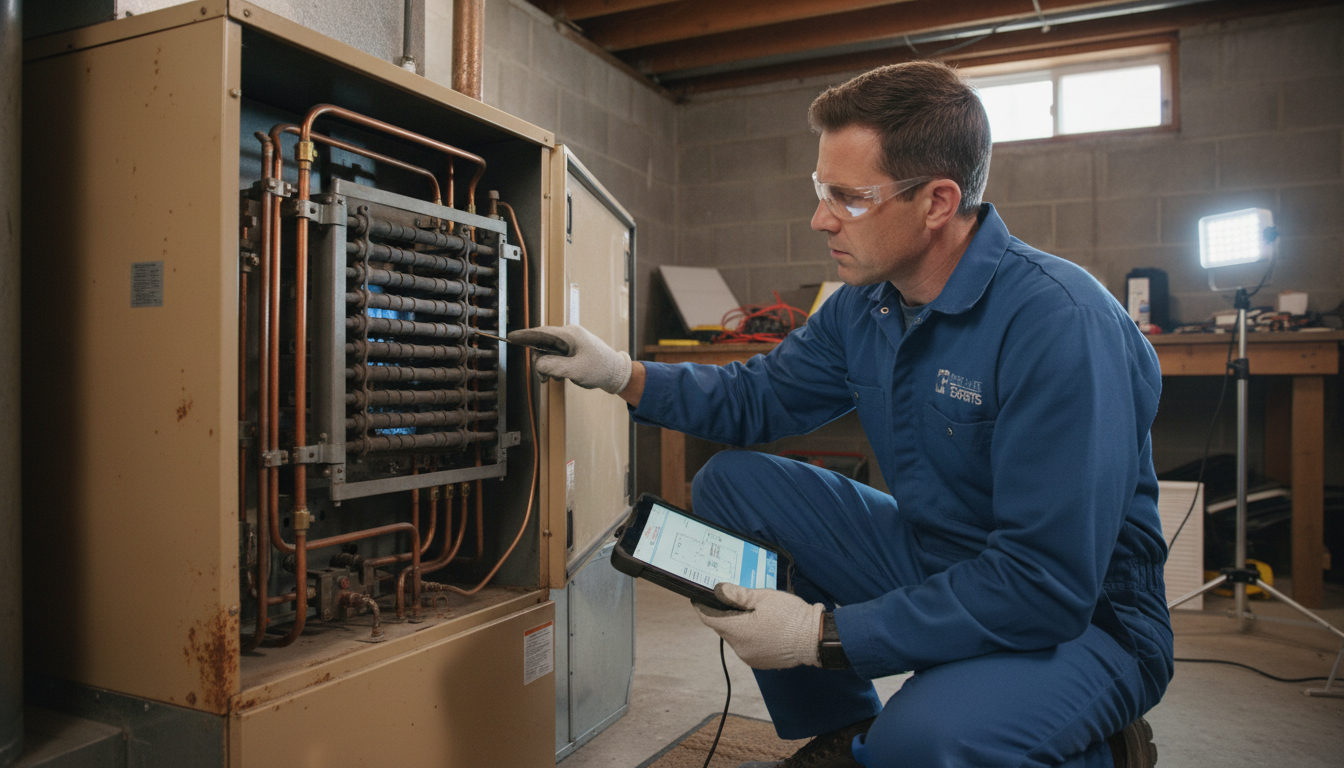
If you're looking to make your home more energy-efficient, consider having an energy audit. A professional can assess your home's insulation, HVAC system, and overall energy use. They can provide recommendations to improve efficiency, reduce costs, and enhance comfort.
An energy audit can also identify areas where you might benefit from upgrades, such as better insulation or a more efficient HVAC system. These improvements can lead to long-term savings and a more sustainable home.