
Preparing Your HVAC System for Denver’s Harsh Winters


Understanding the Importance of Winter HVAC Preparation
Denver's winters are notorious for their harshness, with temperatures often dipping well below freezing. Ensuring your HVAC system is prepared not only keeps your home comfortable but also helps avoid costly repairs. An efficient system can make all the difference in maintaining a cozy home environment while keeping energy bills in check.

By taking proactive steps before the onset of winter, you can extend the lifespan of your HVAC system and improve its efficiency. Let’s explore how you can prepare your system for the cold months ahead.
Inspect and Replace Filters Regularly
One of the simplest yet most effective ways to ensure your HVAC system is ready for winter is by inspecting and replacing its filters. Dirty filters can obstruct airflow, causing the system to work harder than necessary. This not only decreases efficiency but can also lead to increased energy costs. It’s recommended to check your filters monthly and replace them every 1-3 months.
Benefits of Clean Filters
Clean filters improve air quality, reduce energy consumption, and minimize wear and tear on your system. By keeping them fresh, you're also preventing allergens and dust from circulating in your home, which is especially crucial during winter when windows are often kept closed.
Schedule a Professional HVAC Inspection
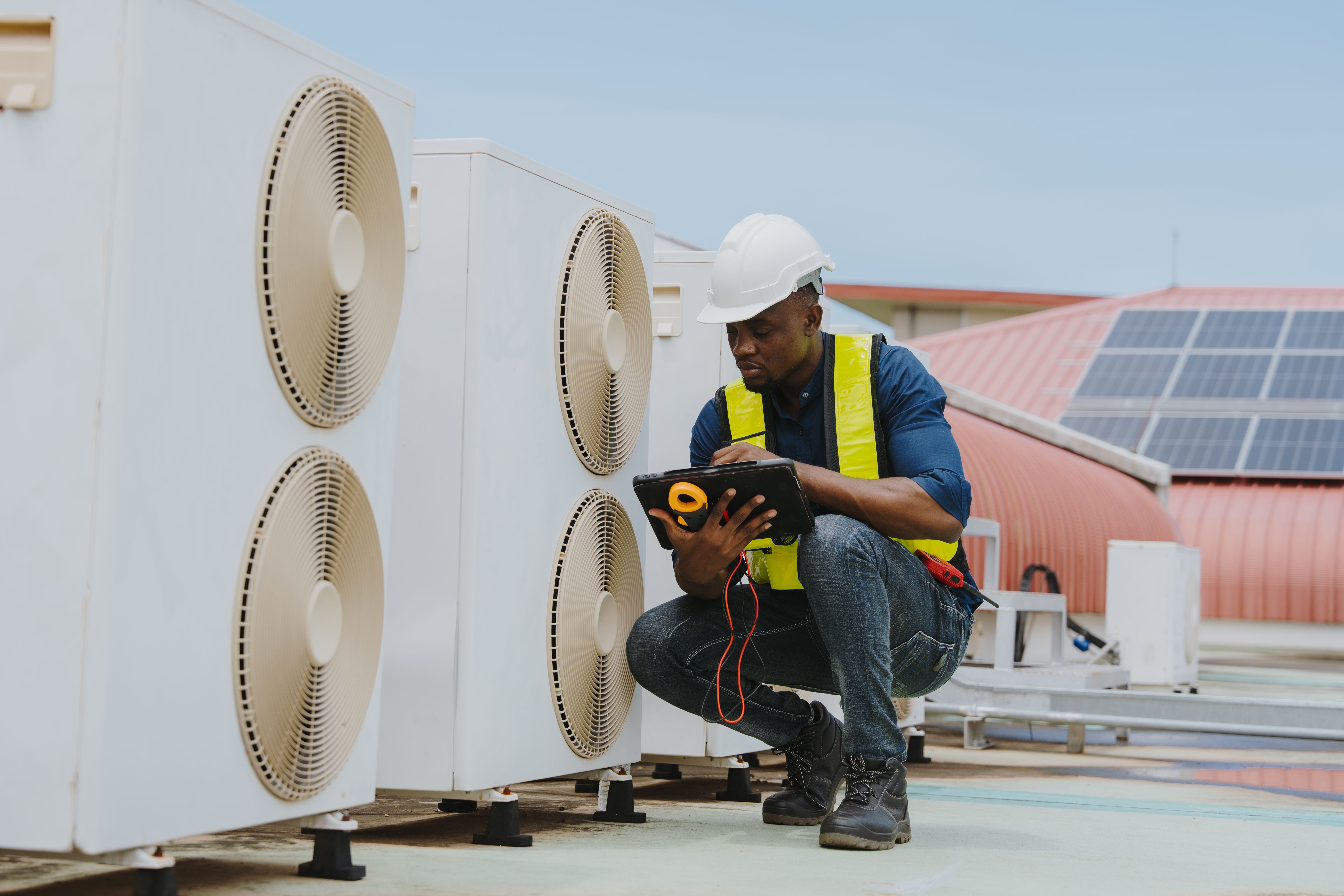
Having a professional inspect your HVAC system before winter is a wise investment. A certified technician can identify potential issues and perform necessary maintenance tasks, such as cleaning coils and checking for leaks. Regular inspections can prevent unexpected breakdowns during the coldest months.
What to Expect During an Inspection
During an inspection, the technician will typically check the thermostat settings, inspect electrical connections, lubricate moving parts, and ensure the system is operating safely and efficiently. This thorough check-up is vital for optimal performance throughout the winter.
Seal Ductwork and Check Insulation
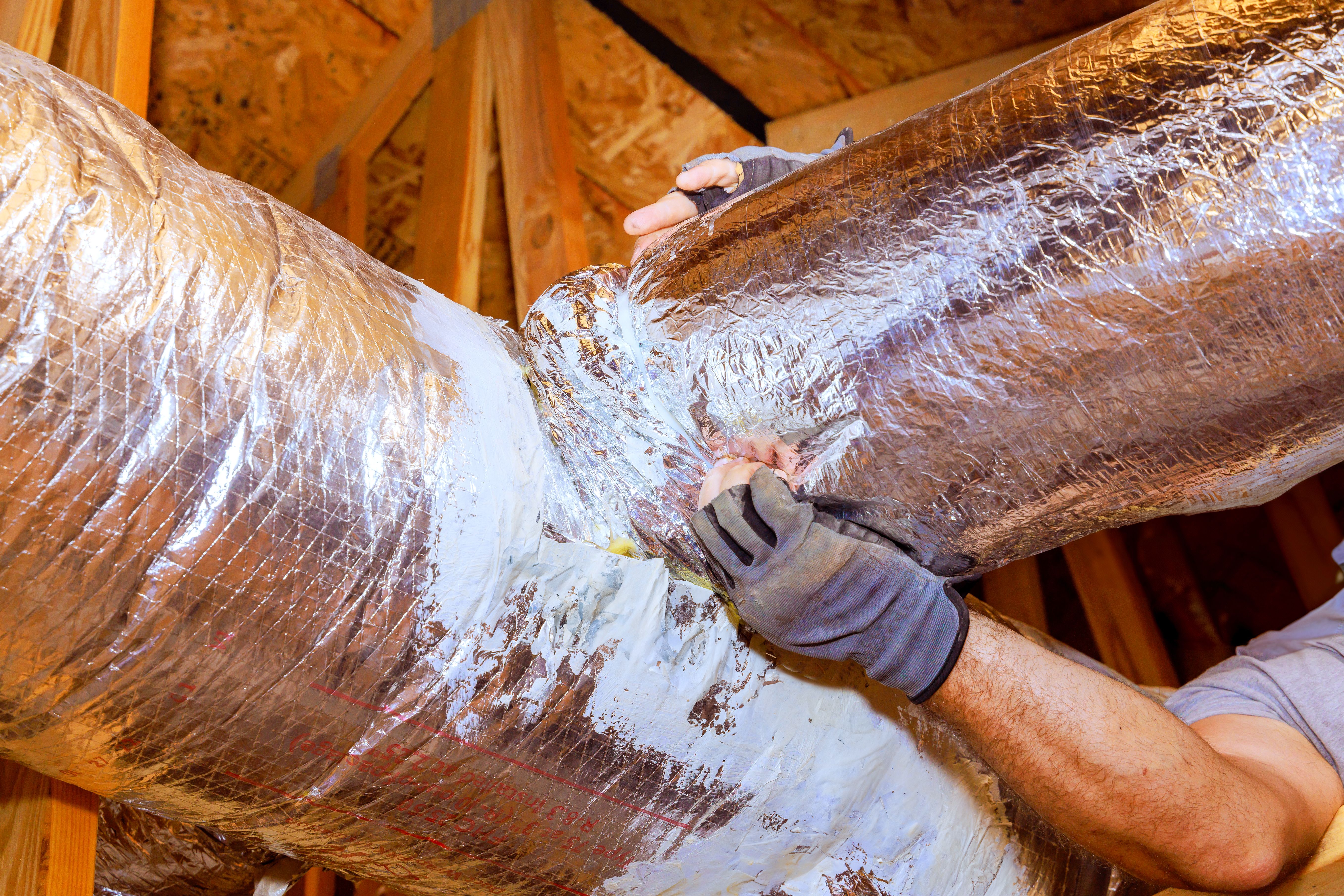
Leaky ducts can lead to significant energy loss, making it harder to maintain a warm home. Sealing ducts ensures that warm air is efficiently delivered throughout your living space. Additionally, checking insulation in your attic and walls can help retain heat, reducing the load on your HVAC system.
Steps to Improve Insulation
- Inspect attic insulation and add more if it’s below recommended levels.
- Seal gaps around windows and doors to prevent drafts.
- Consider insulating floors and basements for added warmth.
Upgrade to a Programmable Thermostat
Investing in a programmable thermostat can lead to significant energy savings. By scheduling your heating to align with your daily routine, you can ensure your home is warm when needed, without wasting energy during unoccupied times. Many modern thermostats also offer remote control via smartphone apps, adding convenience to comfort.
Advantages of Smart Thermostats
Smart thermostats learn your habits and adjust settings automatically. They provide detailed energy reports, helping you make informed decisions about your energy use. This upgrade can be a game-changer in managing heating costs during Denver's frigid winters.