
Understanding BAS: How Building Automation Systems Enhance HVAC Efficiency


What is Building Automation System (BAS)?
Building Automation Systems (BAS) are centralized systems that monitor and control a building's various mechanical and electrical systems, including heating, ventilation, and air conditioning (HVAC). By integrating these systems, BAS enhances operational efficiency and reduces energy consumption, making it a crucial component in modern building management.

How BAS Improves HVAC Efficiency
BAS significantly enhances HVAC efficiency through precise monitoring and control. It utilizes a network of sensors to collect data on temperature, humidity, and air quality, adjusting HVAC operations in real-time. This ensures optimal performance without unnecessary energy expenditure.
Moreover, BAS can schedule HVAC operations based on occupancy patterns, ensuring that energy is used only when needed. This not only reduces energy waste but also extends the lifespan of HVAC equipment by preventing overuse.
Energy Savings and Cost Reduction
Implementing BAS can lead to substantial energy savings and cost reduction. By optimizing HVAC systems, BAS minimizes energy consumption and reduces utility bills, offering a quick return on investment. Additionally, many buildings may qualify for energy efficiency incentives and rebates, further enhancing financial benefits.
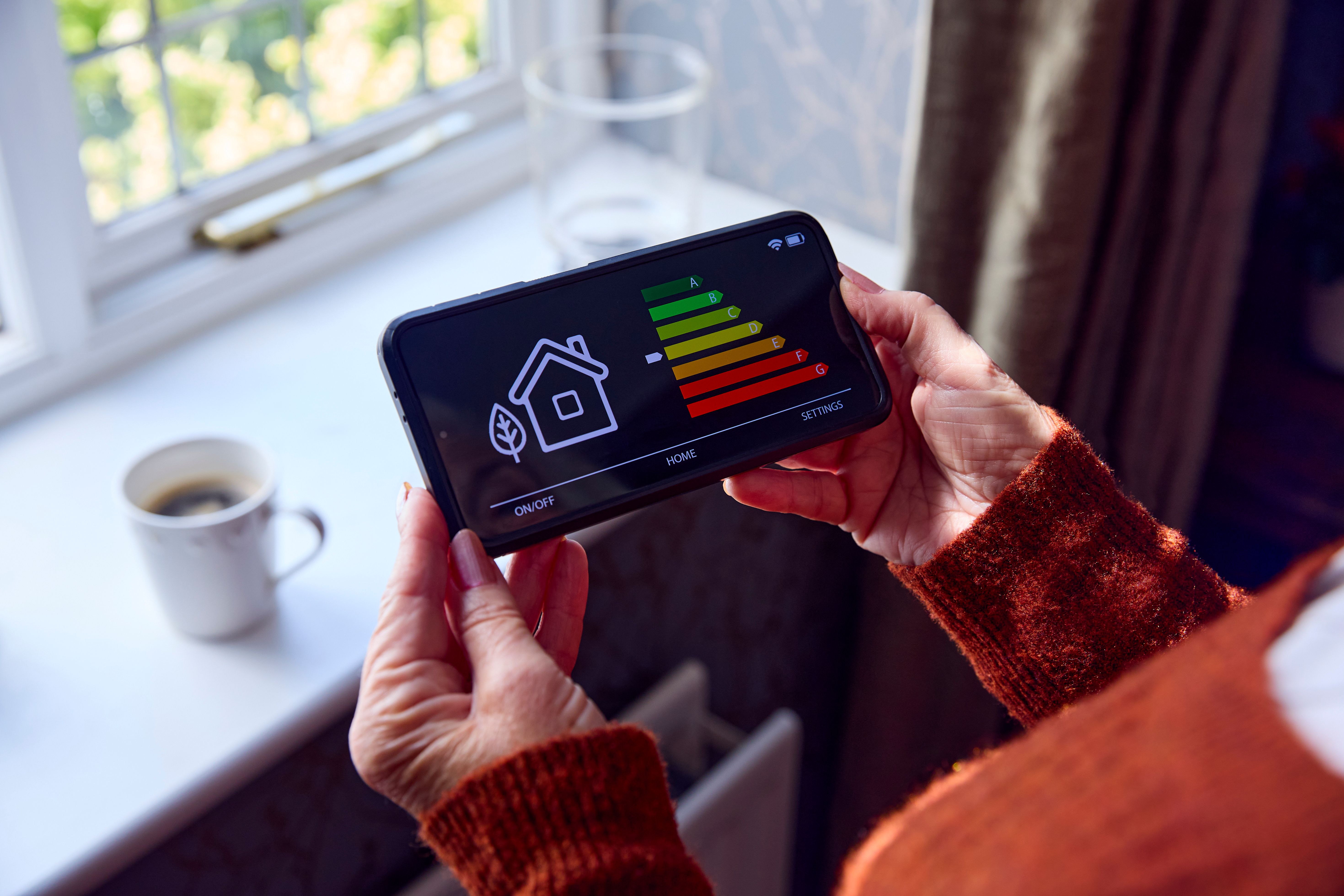
Key Features of BAS in HVAC Management
BAS offers a range of features designed to enhance HVAC management:
- Remote Monitoring: Allows facility managers to monitor and control HVAC systems from anywhere, providing flexibility and convenience.
- Predictive Maintenance: Sensors detect potential issues before they become major problems, reducing downtime and maintenance costs.
- Data Analytics: Provides valuable insights into system performance, helping to identify areas for improvement and optimize operations.

The Role of BAS in Sustainability
BAS plays a crucial role in promoting sustainability. By optimizing energy use and improving system performance, BAS helps reduce a building's carbon footprint. This not only benefits the environment but also enhances the building's reputation as a leader in sustainability.
Furthermore, BAS can be integrated with renewable energy sources, such as solar panels, to further enhance energy efficiency and sustainability efforts.
Future Trends in BAS Technology
The future of BAS technology looks promising, with advancements in artificial intelligence and the Internet of Things (IoT) paving the way for even greater efficiencies. Emerging technologies will enable more sophisticated data analytics, predictive maintenance, and enhanced system integration.
As BAS technology continues to evolve, buildings will become smarter, more efficient, and more sustainable, setting the standard for the future of building management.