
Understanding BAS: How Building Automation Systems Enhance HVAC Efficiency


Introduction to Building Automation Systems (BAS)
Building Automation Systems (BAS) have revolutionized the way we manage building environments. These systems integrate various components such as lighting, security, and especially HVAC systems, ensuring that buildings operate efficiently and effectively. At the core of BAS is the ability to enhance the energy efficiency of HVAC systems, which are crucial for maintaining comfortable indoor climates.
The HVAC (Heating, Ventilation, and Air Conditioning) component is often the largest energy consumer in a building. By leveraging BAS, facility managers can optimize HVAC performance, leading to reduced energy consumption and cost savings. This article explores how BAS enhances HVAC efficiency and the benefits it provides.
How BAS Works with HVAC Systems
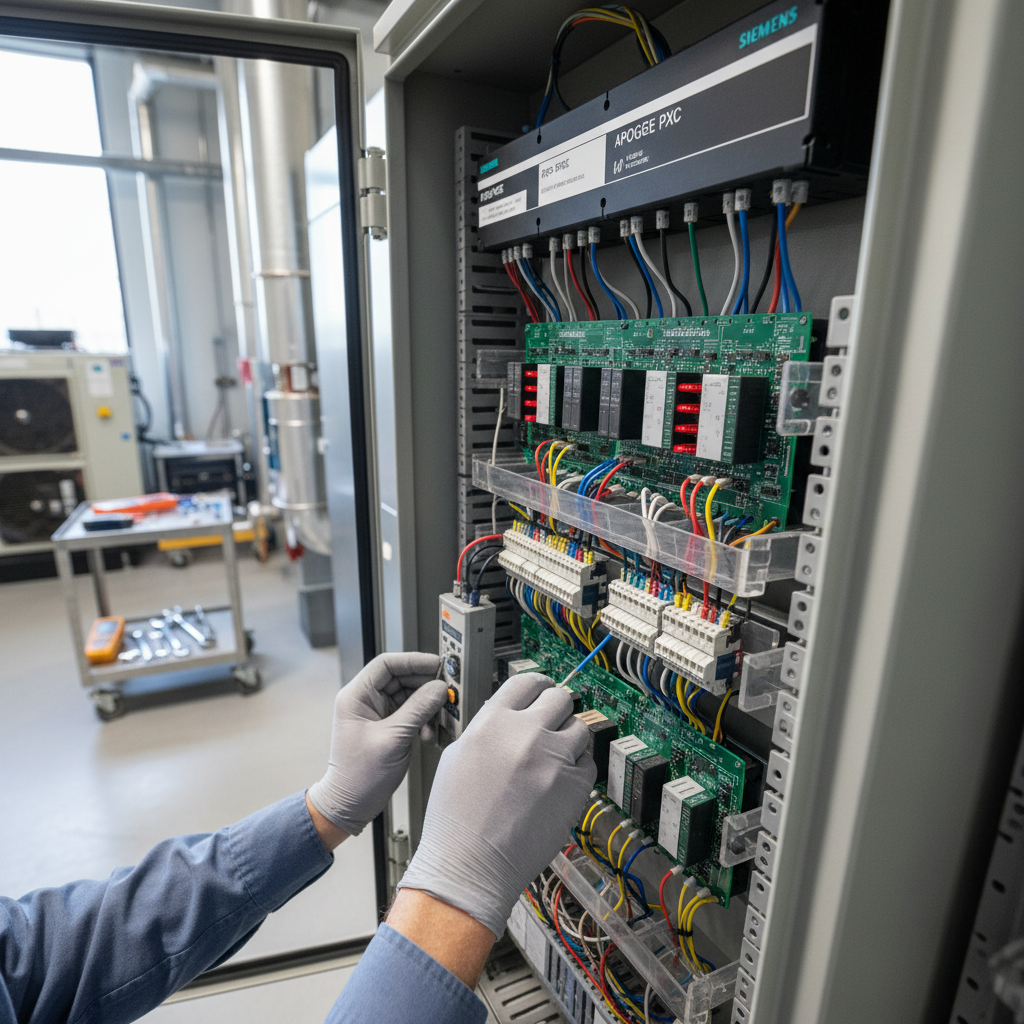
BAS connects various HVAC components through a network of sensors and controllers. These devices communicate with each other, collecting data on temperature, humidity, and occupancy levels. The system then uses this data to make real-time adjustments, ensuring optimal performance and energy efficiency.
One of the key features of BAS is its ability to automate HVAC operations based on predefined criteria. For instance, it can adjust heating or cooling outputs based on the time of day or the number of occupants in a room, minimizing energy waste.
Real-Time Monitoring and Control
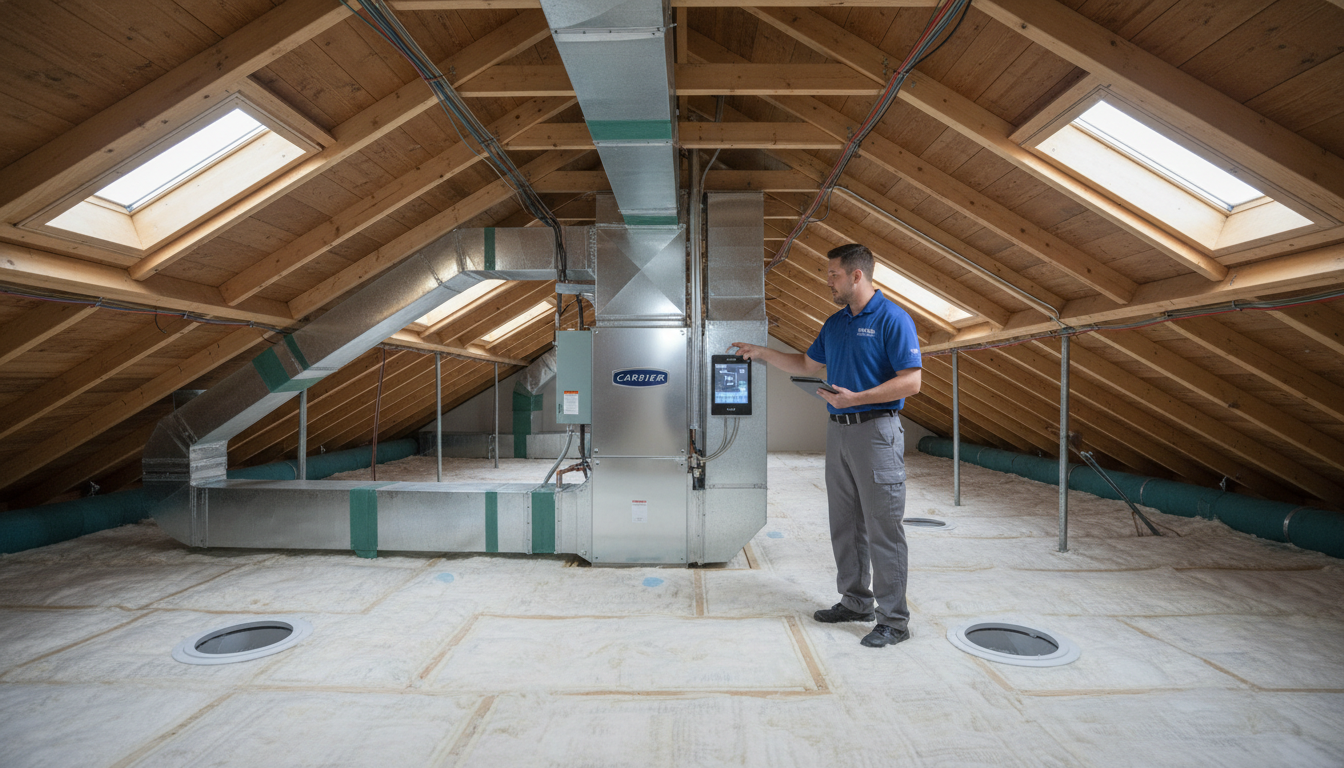
Real-time monitoring is a significant advantage of BAS. Facility managers can access data and control systems remotely, allowing for quick decision-making and immediate adjustments. This capability helps prevent potential issues and maintains a consistent indoor climate.
Energy Efficiency and Cost Savings
One of the primary benefits of integrating BAS with HVAC systems is enhanced energy efficiency. By optimizing HVAC operations, BAS reduces unnecessary energy use, leading to significant cost savings. According to industry studies, buildings with BAS can see energy savings of up to 30%.
These savings are achieved through various methods, including:
- Scheduled Operations: Automating HVAC systems to operate only when needed.
- Demand Response: Reducing energy use during peak demand periods.
- Predictive Maintenance: Identifying potential issues before they become costly problems.
Environmental Impact
Beyond cost savings, BAS contributes positively to the environment by reducing the carbon footprint of buildings. Efficient HVAC systems consume less energy, leading to lower greenhouse gas emissions. This aligns with global efforts to combat climate change and promote sustainability.

Enhanced Comfort and Productivity
While energy efficiency is a crucial aspect, BAS also enhances occupant comfort. By maintaining optimal temperatures and air quality, these systems create a more pleasant and productive environment for building occupants.
Studies have shown that comfortable indoor climates can significantly impact productivity and well-being. With BAS, businesses can ensure that their employees work in optimal conditions, leading to better performance and satisfaction.
Scalability and Flexibility
BAS offers scalability and flexibility, making it suitable for buildings of all sizes. Whether managing a small office or a large commercial complex, BAS can be tailored to meet specific needs. Its modular nature allows for easy upgrades and integration with new technologies.
This adaptability ensures that buildings remain future-proof, capable of incorporating advancements in automation and energy management.

Conclusion
Building Automation Systems are transforming the landscape of building management, particularly in enhancing HVAC efficiency. By automating and optimizing HVAC operations, BAS provides numerous benefits, including energy savings, reduced operational costs, and improved indoor comfort.
As technology continues to evolve, the role of BAS in efficient building management will only grow more prominent, offering innovative solutions to meet the demands of modern living and environmental conservation.