
Understanding Commercial Cooling Systems in Denver: A Comprehensive Guide


Introduction to Commercial Cooling Systems
Commercial cooling systems are essential for businesses in Denver, ensuring optimal temperature control for various environments. From retail spaces to industrial facilities, these systems maintain comfort and efficiency. Understanding the types and components of these systems is crucial for businesses aiming to enhance performance and reduce energy costs.
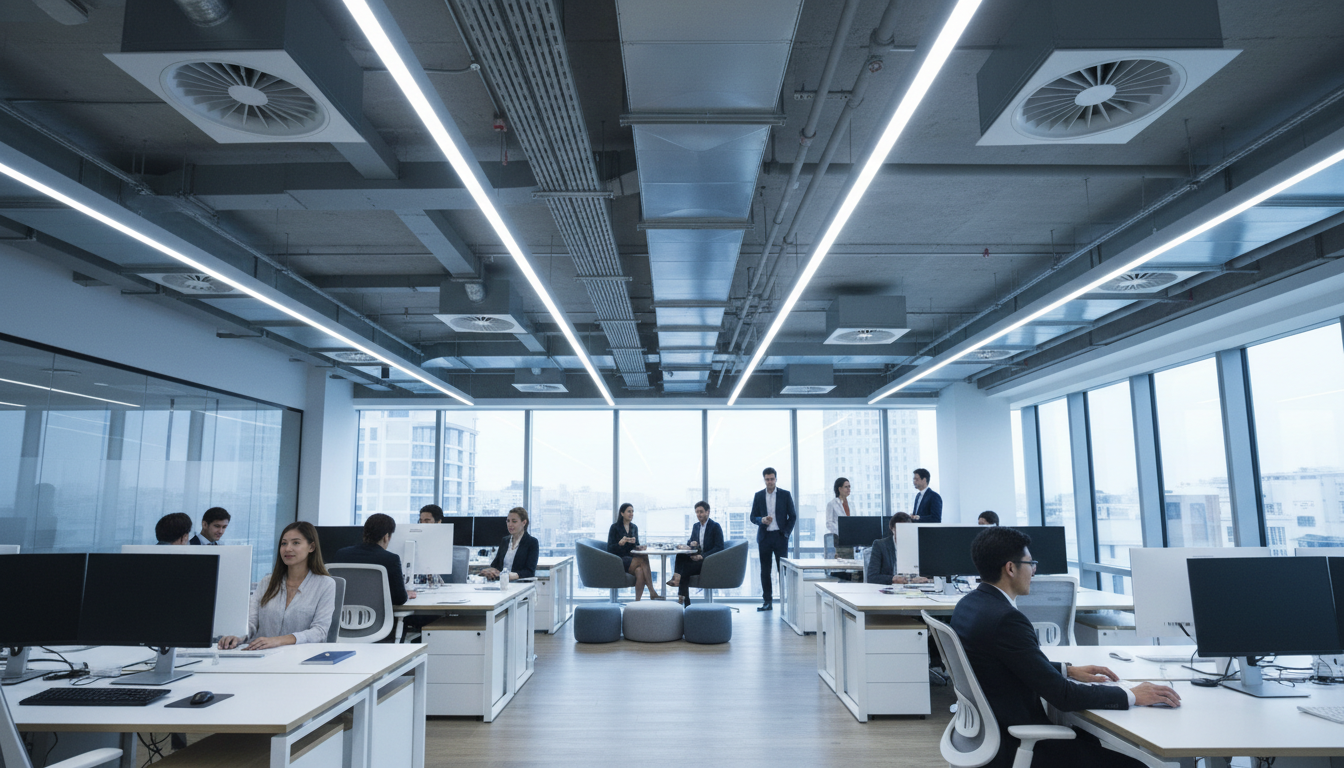
Types of Commercial Cooling Systems
There are several types of commercial cooling systems available, each suited to different needs. The most common systems include:
- Central Air Conditioning: Ideal for larger buildings, providing uniform cooling throughout.
- Split Systems: Perfect for smaller spaces or where zoning is required.
- Chilled Water Systems: Used in large facilities, these systems are energy-efficient and versatile.
Choosing the Right System
Selecting the appropriate cooling system depends on various factors, such as the size of the space, budget constraints, and specific cooling needs. Consulting with a professional can help businesses determine the best fit for their unique requirements.
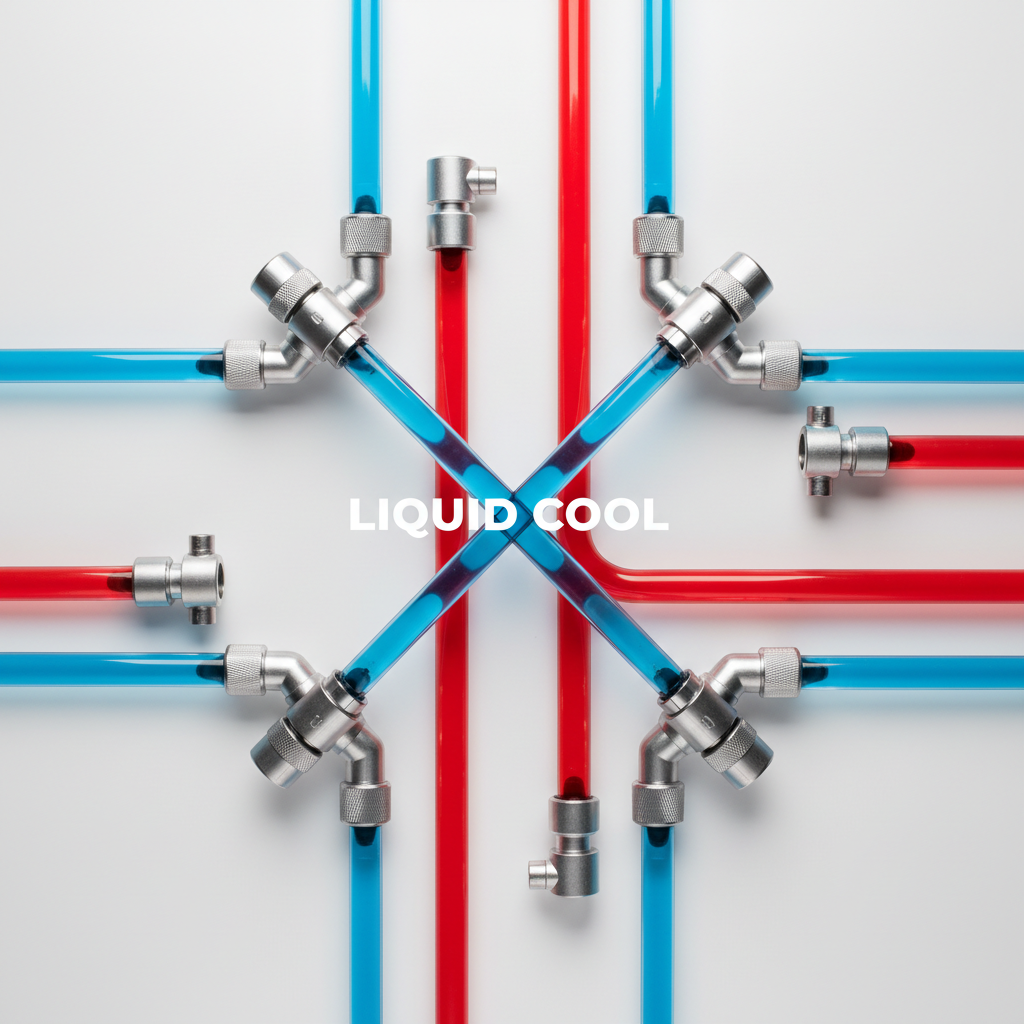
Key Components of Cooling Systems
Understanding the components of commercial cooling systems can aid in maintenance and troubleshooting. Some of the critical components include:
- Compressor: The heart of the system, responsible for circulating refrigerant.
- Condenser: Releases heat absorbed from the interior.
- Evaporator: Absorbs heat from the environment to cool the air.
Maintenance and Efficiency
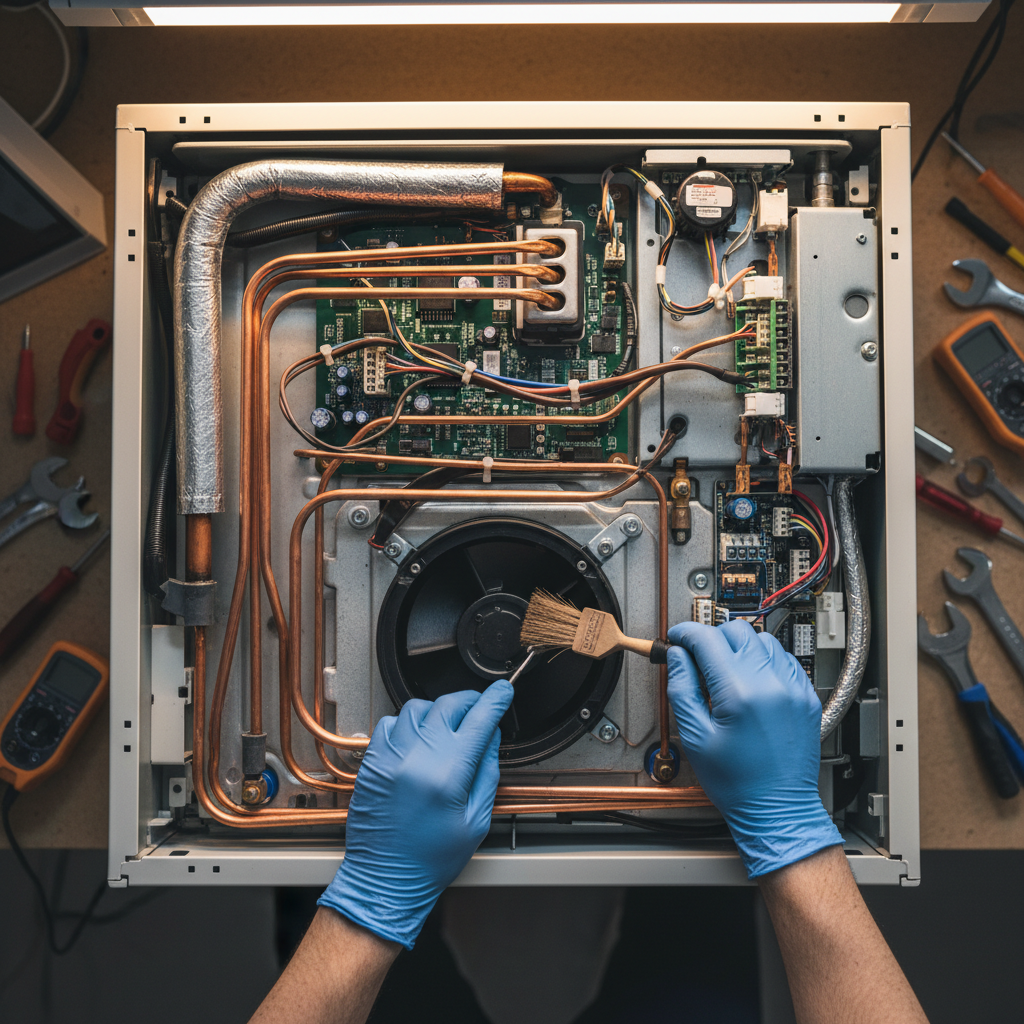
Regular maintenance is vital for ensuring the efficiency and longevity of cooling systems. Routine checks can prevent costly repairs and improve energy efficiency, helping businesses save on utility bills.
Energy Efficiency and Environmental Impact
Energy efficiency is a significant concern for businesses in Denver, where temperature fluctuations can be extreme. Investing in energy-efficient systems can lead to substantial savings and reduce environmental impact. Look for systems with high SEER ratings and eco-friendly refrigerants.
Government Incentives and Rebates
Businesses may also benefit from government incentives and rebates for upgrading to energy-efficient cooling systems. These programs can offset initial costs, making the investment more attractive and sustainable.
Conclusion
Understanding commercial cooling systems is essential for businesses in Denver to ensure comfort, efficiency, and cost-effectiveness. By selecting the right system and maintaining it properly, businesses can achieve optimal performance while reducing their environmental footprint. Consulting with experts and taking advantage of available incentives can further enhance these benefits.