
Understanding Thermal Droning: A New Frontier in HVAC Maintenance


Introduction to Thermal Droning
In recent years, the HVAC industry has experienced a revolutionary shift with the advent of thermal droning. This innovative approach to maintenance employs drones equipped with thermal imaging cameras to inspect and assess HVAC systems. By offering a more comprehensive and efficient method of inspection, thermal droning is quickly becoming a new frontier in HVAC maintenance.
How Thermal Droning Works
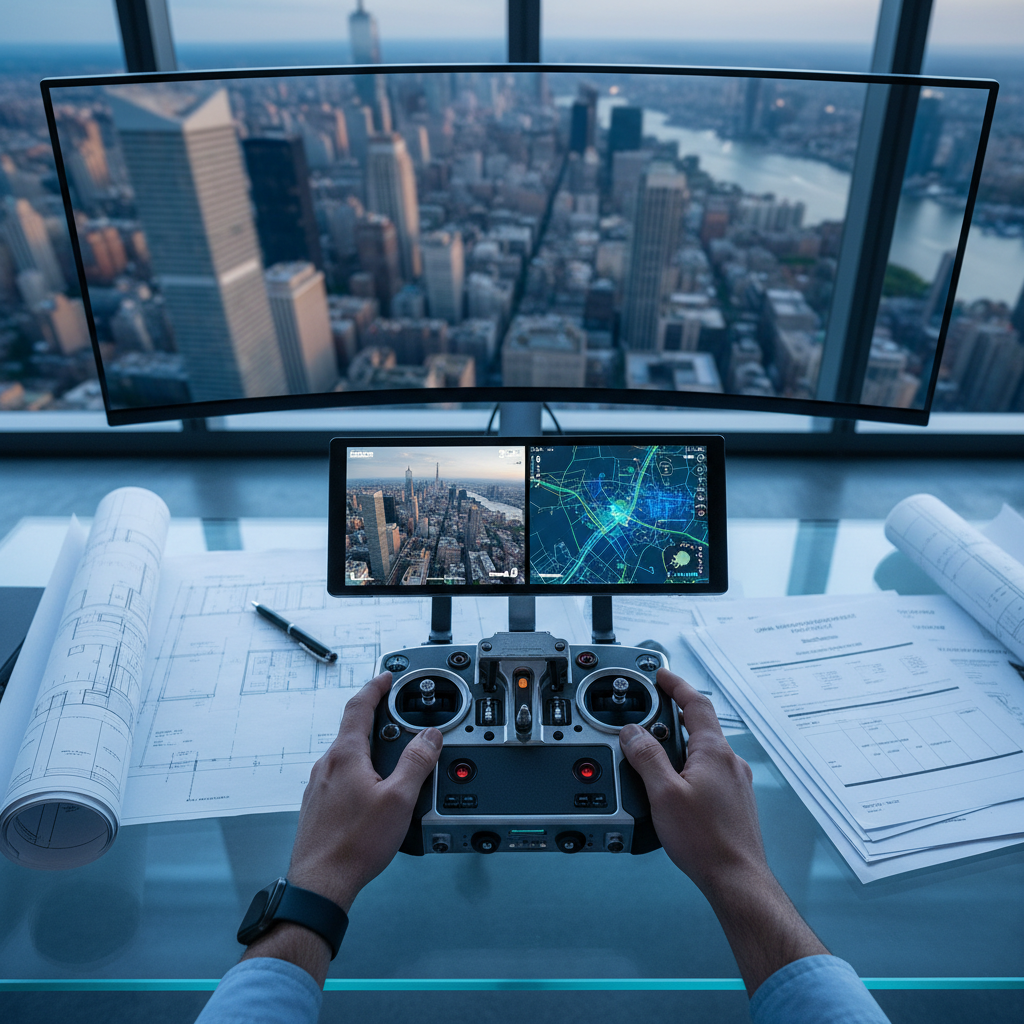
Thermal drones utilize advanced thermal imaging technology to detect temperature variations within HVAC systems. These drones fly over or around equipment, capturing detailed thermal images that reveal potential issues such as leaks, blockages, or inefficiencies. The data collected is then analyzed to pinpoint problem areas that require attention.
This method eliminates the need for manual inspections, which can be time-consuming and potentially hazardous. It provides a safer, faster, and more accurate alternative to traditional maintenance practices.
Benefits of Thermal Droning
Integrating thermal droning into HVAC maintenance offers numerous benefits:
- Enhanced Accuracy: Drones can capture high-resolution images that reveal even the smallest temperature anomalies.
- Improved Safety: Technicians can conduct inspections without needing to climb onto rooftops or enter confined spaces.
- Cost Efficiency: Early detection of issues can prevent costly repairs and downtime.
Applications in Various Industries
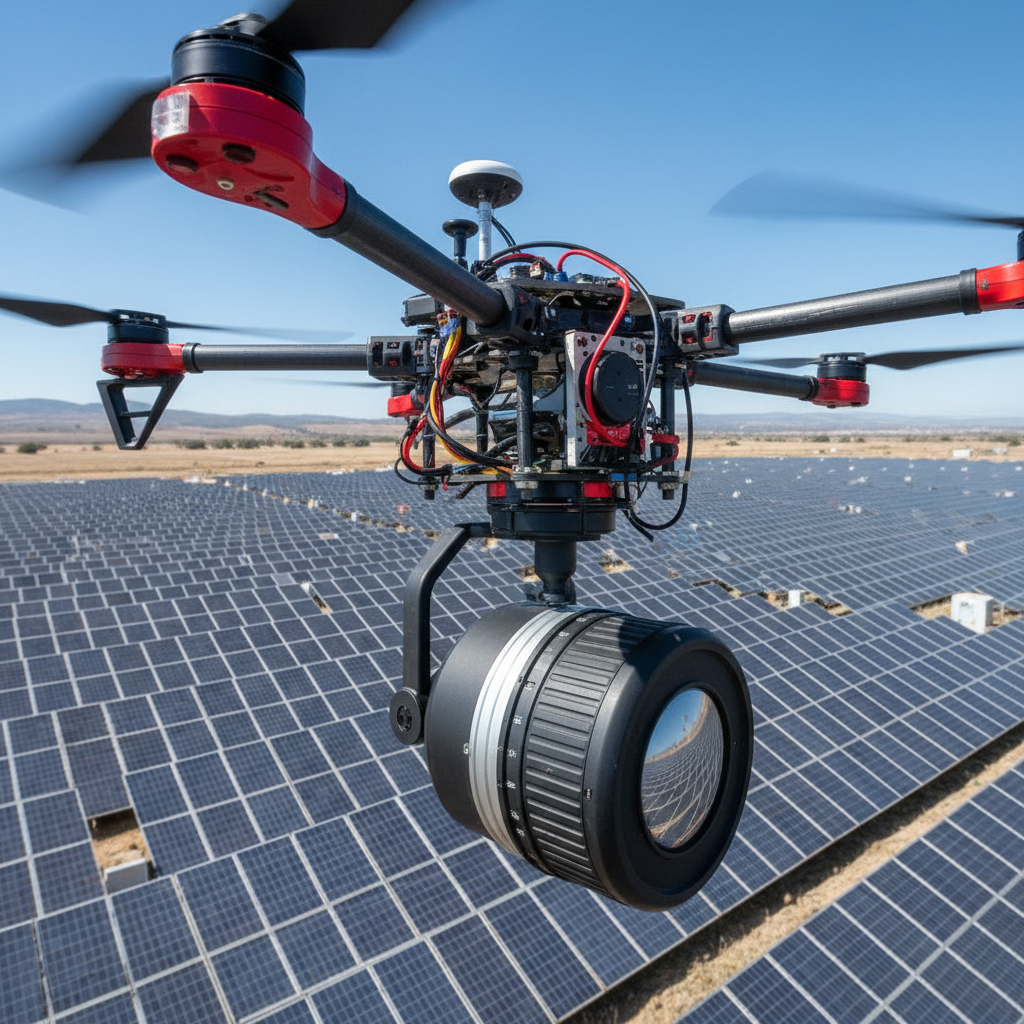
Thermal droning is not limited to residential HVAC systems. It has found applications across various industries, including commercial and industrial sectors. Large facilities can particularly benefit from this technology due to the complexity and scale of their HVAC systems.
For instance, warehouses, factories, and office buildings can utilize thermal droning to ensure optimal system performance and energy efficiency. By identifying inefficiencies, businesses can implement targeted solutions to reduce energy consumption and operational costs.
Case Studies and Success Stories
Several companies have already adopted thermal droning and reported significant improvements in their maintenance processes. For example, a large retail chain implemented this technology and saw a 20% reduction in HVAC-related energy costs within the first year. Another case involved a manufacturing plant that identified and resolved multiple system inefficiencies, leading to increased productivity and reduced equipment downtime.
The Future of HVAC Maintenance
As technology continues to advance, the role of thermal droning in HVAC maintenance is expected to expand further. With ongoing developments in drone technology and thermal imaging, the potential for more sophisticated and precise inspections is immense.
Moreover, as more industries recognize the benefits of thermal droning, its adoption is likely to grow, leading to more widespread implementation and innovation in the field.
Conclusion
In conclusion, thermal droning represents a significant leap forward in HVAC maintenance. By offering enhanced accuracy, improved safety, and cost efficiency, this technology is set to transform how maintenance is conducted in both residential and commercial settings. As the industry continues to embrace this new frontier, the possibilities for improved system performance and energy efficiency are limitless.