
Why Thermal Droning is Revolutionizing HVAC Inspections in Denver


The Rise of Thermal Droning in HVAC Inspections
In the bustling city of Denver, where the climate can swing dramatically from season to season, maintaining an efficient HVAC system is crucial. Traditional inspection methods are being overshadowed by the advent of thermal droning technology, which offers a more detailed and efficient way to assess HVAC systems.
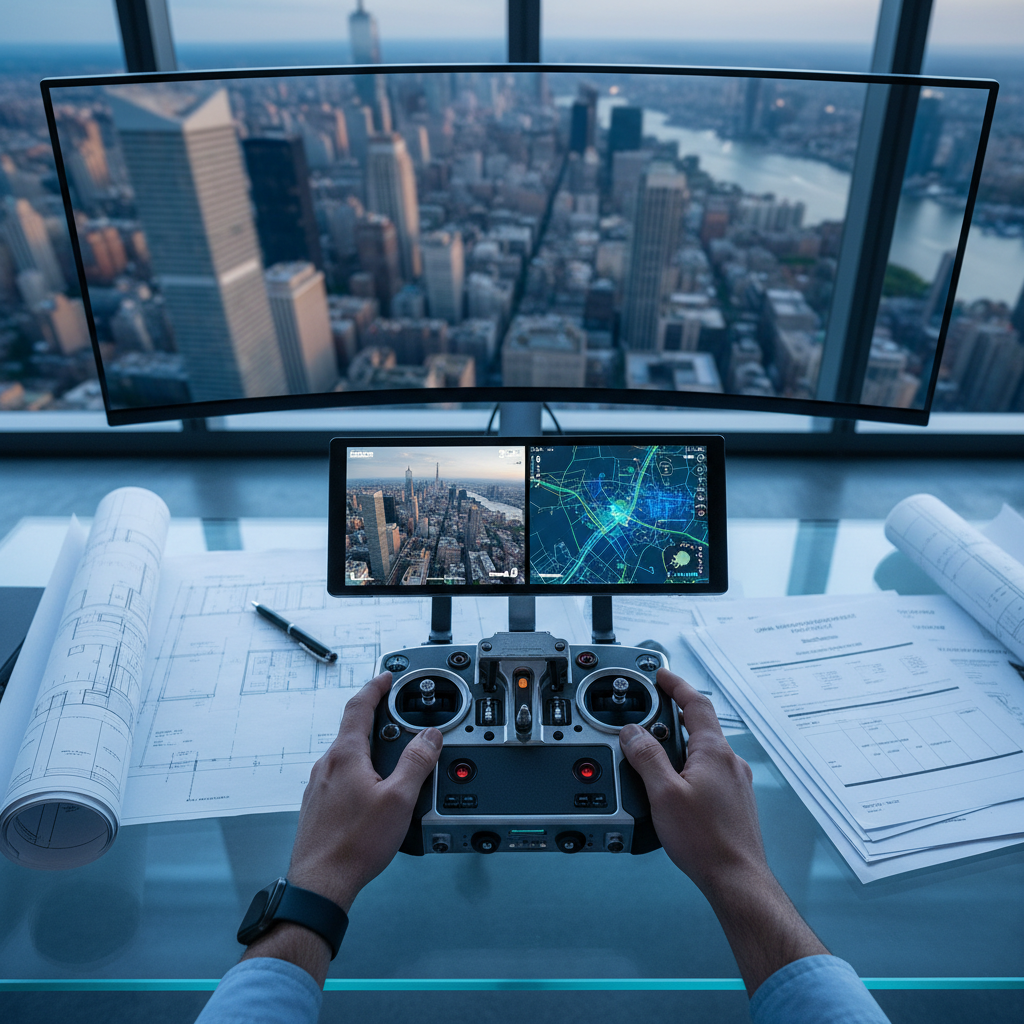
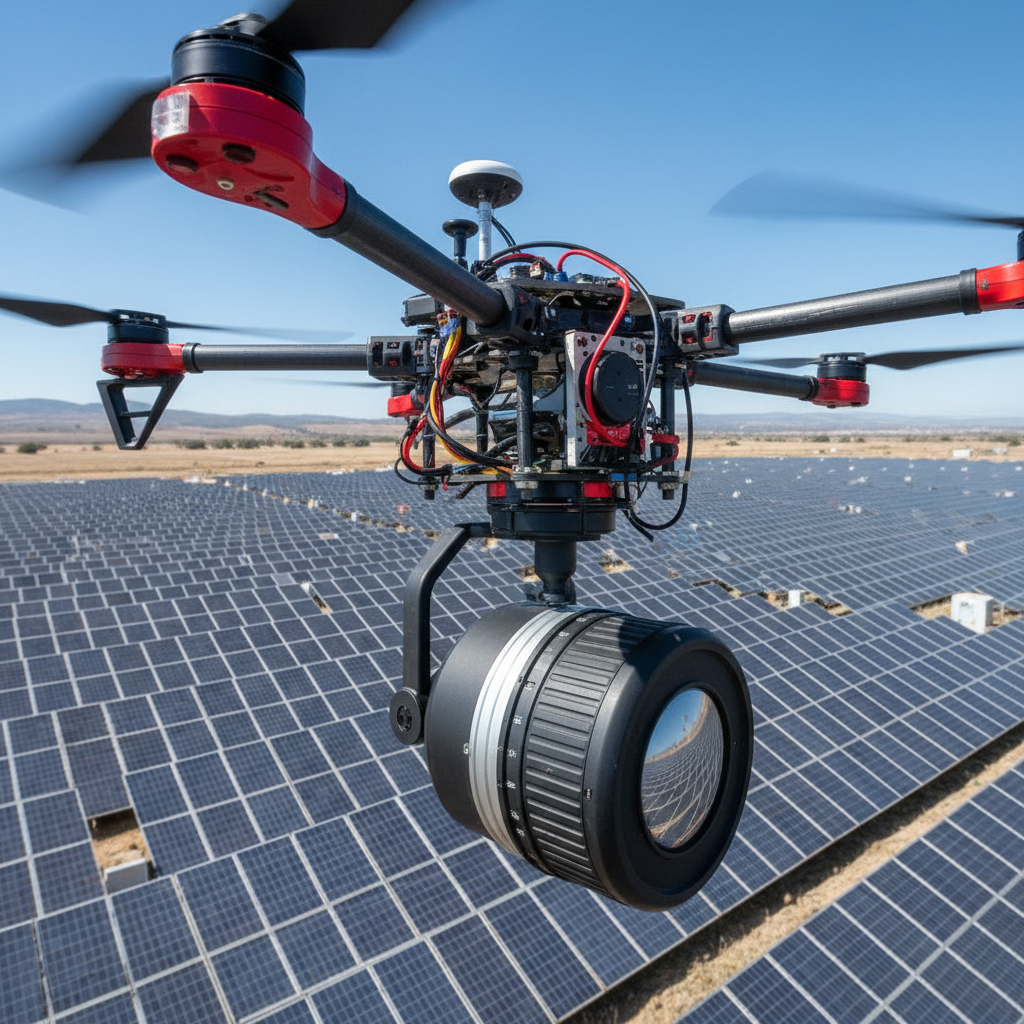
Thermal droning employs drones equipped with infrared cameras to detect temperature variations. This innovative approach is transforming how HVAC inspections are conducted, providing a comprehensive view of system performance that was previously challenging to achieve.
Benefits of Thermal Droning for HVAC Inspections
One of the most significant advantages of using thermal drones is their ability to quickly identify issues. Unlike conventional methods, which often require manual inspections and can be time-consuming, drones can cover large areas swiftly and accurately.
Thermal drones offer a non-intrusive way to inspect HVAC systems. They can scan rooftops and hard-to-reach areas without the need for ladders or scaffolding, reducing the risk of accidents and damage to property.
Enhanced Accuracy and Data Collection
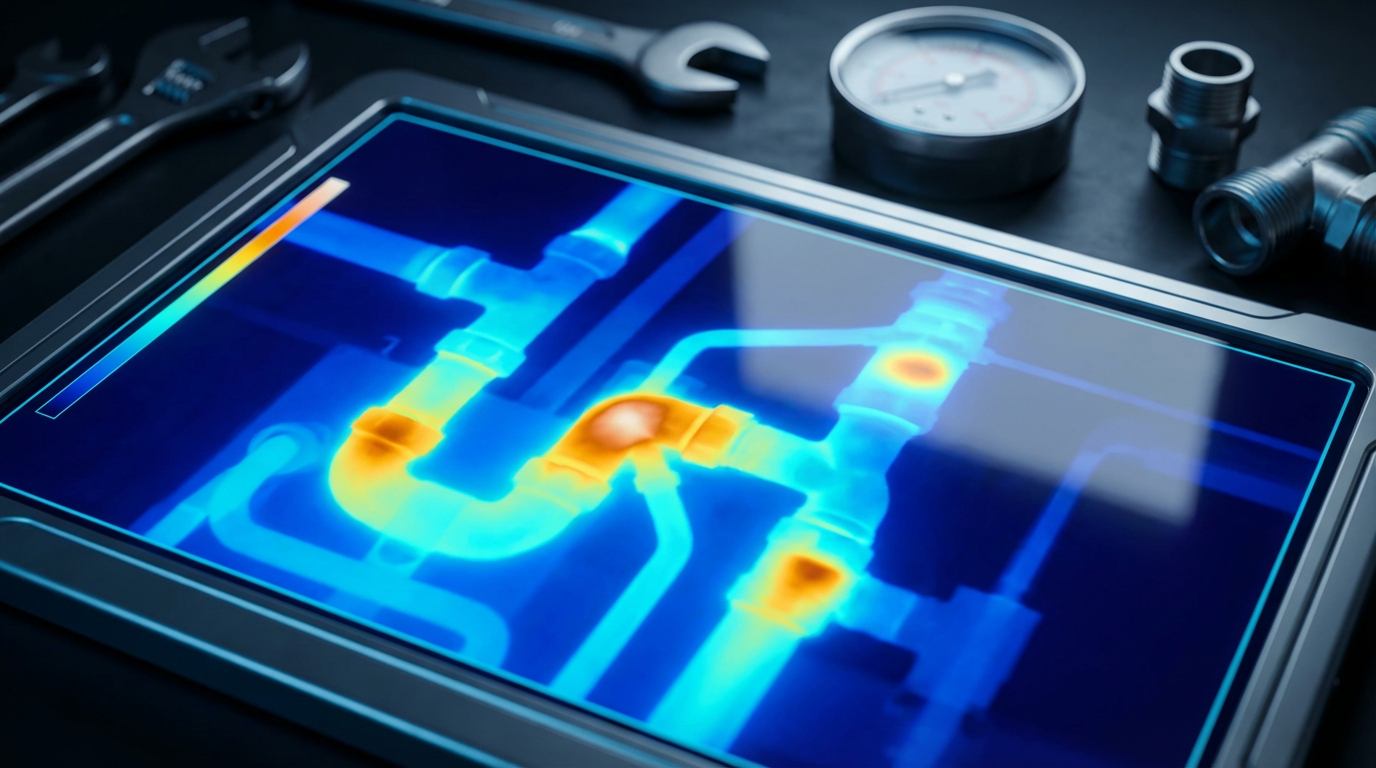
Thermal imaging provides precise data by highlighting temperature discrepancies that indicate potential problems such as leaks or blockages. This technology enables HVAC professionals to pinpoint issues with accuracy, ensuring that repairs are targeted and effective.
Data collected through thermal droning can be easily documented and stored for future reference. This makes it easier for technicians to track the performance of HVAC systems over time and identify recurring issues.
Cost-Effectiveness and Environmental Impact
By identifying problems early, thermal droning helps avoid costly repairs and extends the life of HVAC systems. This proactive approach reduces the likelihood of system failures and the associated expenses of emergency repairs.
Additionally, by ensuring that HVAC systems operate efficiently, thermal droning contributes to energy savings. This not only lowers utility bills for property owners but also reduces the environmental impact by decreasing energy consumption.
Conclusion: The Future of HVAC Inspections
As technology continues to evolve, the use of thermal drones in HVAC inspections is expected to become even more widespread. The benefits of improved safety, efficiency, and accuracy make it an attractive option for both residential and commercial property owners in Denver.
Embracing thermal droning is a step towards more sustainable and cost-effective HVAC management, ensuring comfort and reliability in buildings across the city.