
Why Thermal Imaging is a Game-Changer for HVAC Systems


Understanding Thermal Imaging
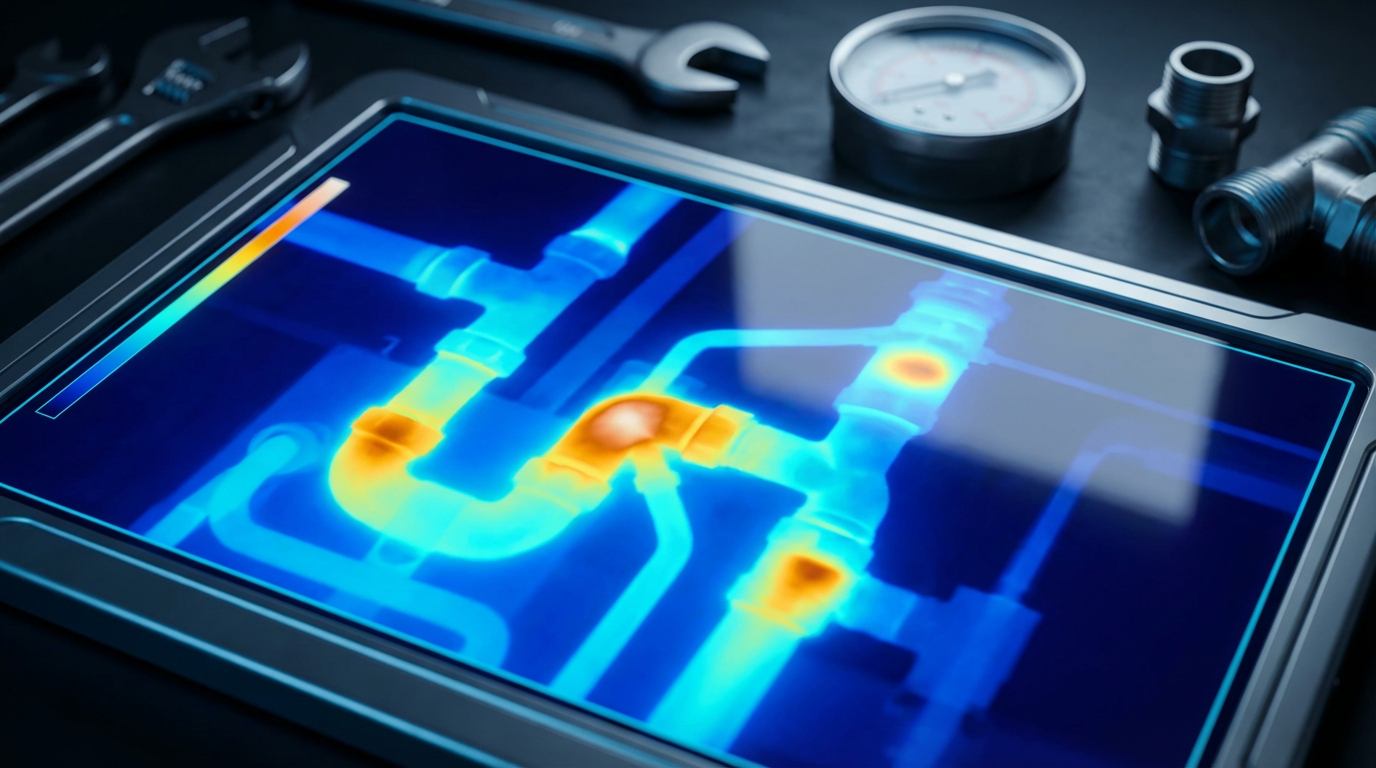
Thermal imaging is a technology that detects infrared radiation and translates it into a visual format, known as a thermogram. This allows us to see variations in temperature, which is invaluable for many applications, including HVAC systems. By visualizing temperature differences, technicians can diagnose issues more quickly and accurately.
In the realm of HVAC, thermal imaging is increasingly becoming a must-have tool. With its ability to provide detailed insights into system performance, it helps in identifying inefficiencies, leaks, and potential failures before they become significant problems.
Benefits of Using Thermal Imaging in HVAC Systems
Detecting Energy Loss
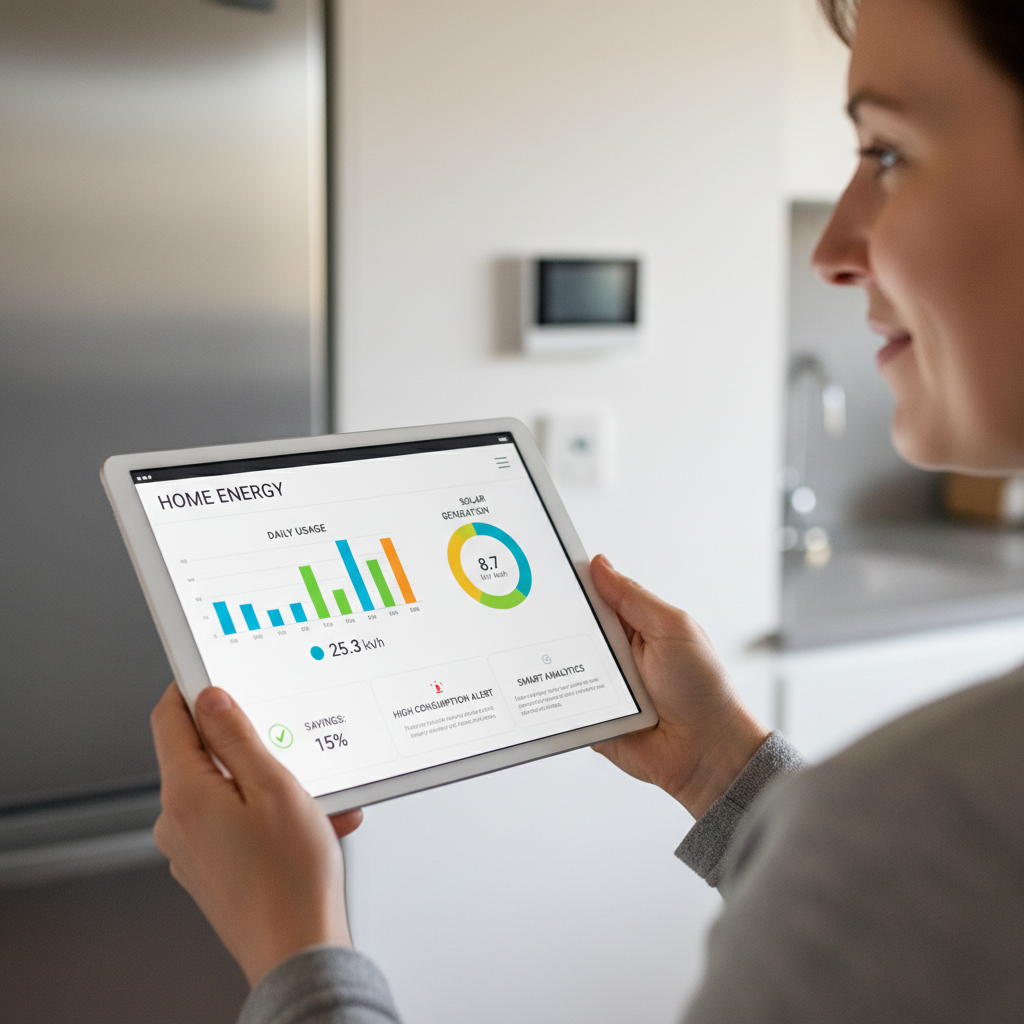
One of the primary benefits of thermal imaging in HVAC systems is its ability to detect energy loss. By pinpointing areas where heat is escaping, technicians can recommend effective solutions to improve energy efficiency. This not only reduces energy bills but also minimizes the environmental footprint of a building.
Using thermal imaging, technicians can identify poorly insulated areas, malfunctioning components, and other issues that might contribute to energy waste. This proactive approach enables timely interventions that can significantly enhance system performance.
Preventing Costly Repairs
Thermal imaging allows for the early detection of potential problems, such as overheating components or refrigerant leaks. By catching these issues early, property owners can avoid expensive repairs and system downtime. This predictive maintenance approach ensures that HVAC systems run smoothly and efficiently.
Furthermore, identifying issues before they escalate can extend the lifespan of HVAC equipment. This not only saves money but also ensures consistent comfort levels within the building.
Improving System Performance
Enhanced Diagnostics
Thermal imaging provides enhanced diagnostic capabilities by offering a comprehensive overview of system performance. Technicians can quickly assess whether all components are functioning correctly and identify any anomalies. This level of detail helps in fine-tuning systems for optimal performance.
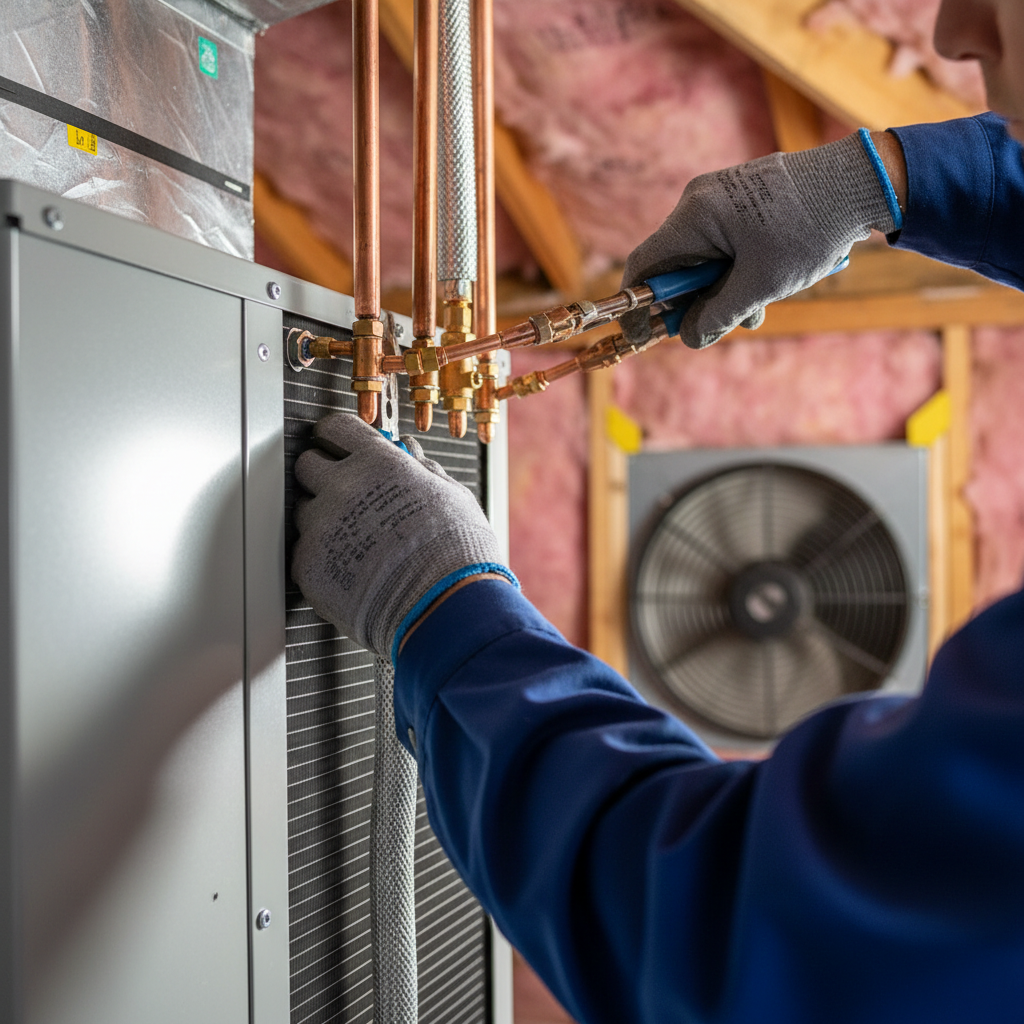
Moreover, the visual nature of thermal imaging makes it easier to communicate findings to clients. Property owners can see the issues firsthand, leading to a better understanding and quicker decision-making regarding necessary repairs or upgrades.
Ensuring Safety
Safety is a critical concern in HVAC systems, and thermal imaging contributes significantly to this aspect. By identifying overheating components or electrical faults, technicians can prevent potential hazards. This proactive approach is crucial in averting fires and ensuring the safety of occupants.
Overall, thermal imaging is transforming how HVAC systems are maintained and optimized. Its ability to provide rapid, accurate insights leads to more efficient systems, lower costs, and enhanced safety.

Conclusion
As technology continues to evolve, the adoption of thermal imaging in HVAC systems is likely to grow. Its benefits in terms of energy savings, cost reduction, and safety are undeniable. For those in the HVAC industry, incorporating thermal imaging into routine maintenance and diagnostics can be a game-changer.
Embracing this technology not only improves system performance but also sets a new standard for customer satisfaction. As more property owners recognize the advantages, thermal imaging will undoubtedly play a pivotal role in the future of HVAC maintenance and repair.